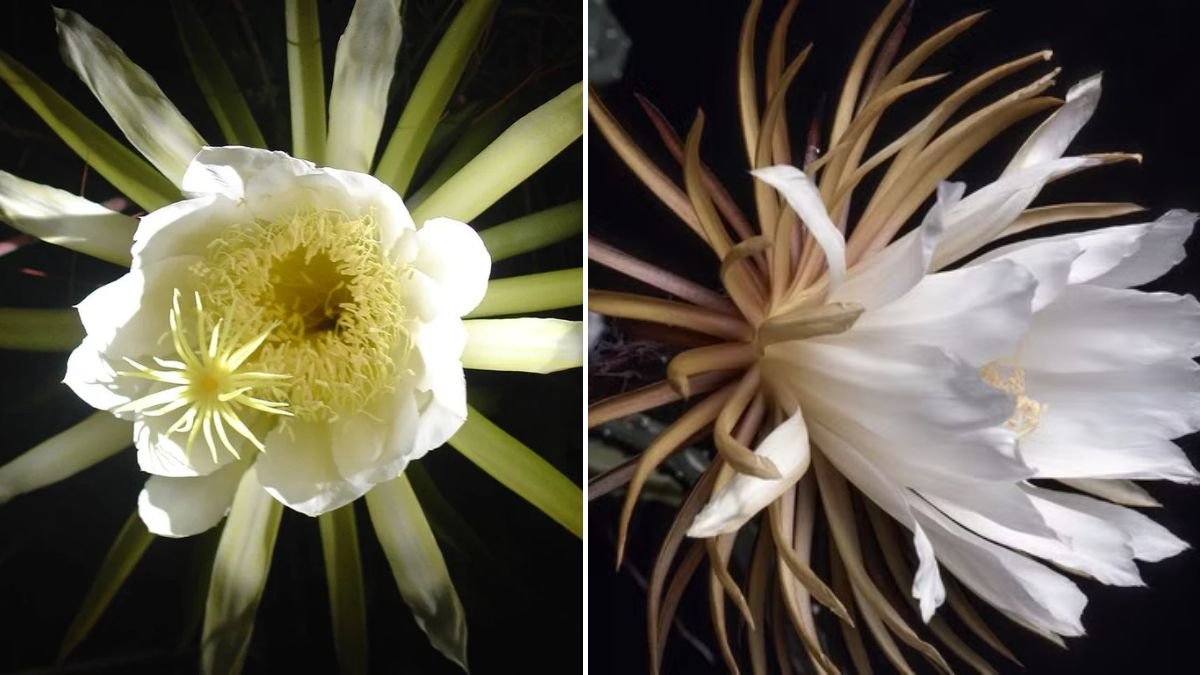

When the sun dips below the horizon and the world grows quiet, a hidden garden comes alive. While most flowers show off their beauty in daylight, a special group of plants waits for darkness to unfurl their delicate petals. These mysterious nighttime bloomers have fascinated gardeners, poets, and nature lovers for centuries. Their soft glow, enchanting fragrances, and fleeting beauty make them some of the most magical plants you can grow.
Flowers that only bloom at night are often called nocturnal flowers. They have adapted to open in the evening to attract nighttime pollinators like moths, bats, and beetles. These flowers tend to be pale in color—white, cream, or light yellow—so they can be easily seen in low light. Many also release strong, sweet fragrances after sunset to guide pollinators through the dark.
Let’s explore the most captivating flowers that only bloom at night and learn how they thrive, why they behave this way, and how you can enjoy their magic in your own garden.
Why Do Some Flowers Bloom Only at Night?
The main reason some flowers bloom at night is pollination. During the day, bees and butterflies are the main pollinators. But at night, the job is done by moths, bats, and nocturnal insects. These pollinators rely heavily on scent and light-colored flowers to find their food.
Night-blooming flowers have evolved special traits:
- Strong fragrance to attract pollinators from far away
- Pale or white petals that glow in moonlight
- Large, open shapes to make it easier for insects and bats to reach the nectar
By blooming at night, these plants avoid competition with daytime flowers and ensure their survival.
1. Moonflower (Ipomoea alba)
The moonflower is one of the most famous night-blooming plants. It is a type of morning glory that does the opposite of what its name suggests—it opens at dusk instead of dawn.
Moonflowers have large, white, trumpet-shaped blooms that slowly unfurl in the evening, sometimes within minutes. They release a sweet, romantic fragrance that fills the air. By morning, the flowers close and fade.
Moonflowers grow on vines and are perfect for trellises, fences, and balconies. Watching them bloom at night feels like witnessing a quiet miracle.
2. Night-Blooming Jasmine (Cestrum nocturnum)
Also known as Queen of the Night, this plant is famous for its powerful fragrance. While its flowers are small and greenish-white, their scent is incredibly strong and can fill an entire garden after sunset.
The smell is sweet, rich, and almost hypnotic. In warm climates, night-blooming jasmine can grow into a large shrub and bloom multiple times a year. It is especially popular in tropical and subtropical regions.
If you want a garden that smells heavenly at night, this plant is a must-have.
3. Evening Primrose (Oenothera)
Evening primrose opens its bright yellow flowers as the sun sets. In some varieties, you can actually see the petals unfold in real time, which is a beautiful experience.
These flowers attract moths and other night pollinators. They are also known for their medicinal properties—especially evening primrose oil, which is used for skin and hormonal health.
Evening primrose is easy to grow and adds a warm glow to nighttime gardens.
4. Night-Blooming Cereus (Epiphyllum oxypetalum)
This legendary cactus flower is known as the “Queen of the Night.” It blooms only once a year, and only for one night. The large white flowers open after sunset and wilt before sunrise.
The fragrance is sweet and floral, and the bloom can be over 8 inches wide. Many people stay up all night just to witness this rare event.
In India and many Asian countries, this flower is considered lucky and is often associated with blessings and new beginnings.
5. Four O’Clock Flower (Mirabilis jalapa)
This charming plant gets its name because it usually opens its flowers in the late afternoon or early evening. The blooms come in many colors, including pink, yellow, red, and white.
Four o’clocks release a pleasant fragrance at night and are loved by moths. They are easy to grow and can thrive in pots or garden beds.
They are perfect for people who want color and scent after sunset.
6. Tuberose (Polianthes tuberosa)
Tuberose is famous for its strong, romantic fragrance that becomes even more intense at night. The creamy white flowers bloom on tall spikes and are widely used in perfumes and wedding garlands.
The scent is rich, sweet, and long-lasting. Many cultures consider tuberose a symbol of love and sensuality.
Planting tuberose near a window or patio allows you to enjoy its fragrance all night long.
7. Night Phlox (Zaluzianskya capensis)
Also known as Midnight Candy, this flower looks ordinary during the day. But at night, it releases a sweet, vanilla-like fragrance that smells like candy.
The small white and purple flowers open in the evening and attract moths. It is a wonderful plant for containers and small gardens.
Night phlox proves that even tiny flowers can have a big impact.
8. Chocolate Daisy (Berlandiera lyrata)
While not strictly a night-only bloomer, chocolate daisy releases a strong chocolate-like scent in the evening. Its yellow daisy-like flowers close during the hottest part of the day and open again as it cools.
The unique fragrance makes it a fun and surprising addition to any garden.
How to Grow Night-Blooming Flowers
Growing night-blooming flowers is similar to growing regular flowering plants, but there are a few tips to keep in mind:
- Sunlight: Most night bloomers still need plenty of sunlight during the day to produce flowers.
- Well-draining soil: Avoid waterlogged soil, especially for cactus varieties like night-blooming cereus.
- Regular watering: Keep the soil moist but not soggy.
- Warm temperatures: Many night-blooming plants prefer warm, tropical conditions.
- Placement: Plant them near patios, balconies, or windows where you can enjoy their beauty and fragrance at night.
Why You Should Add Night-Blooming Flowers to Your Garden
Night-blooming flowers create a completely different garden experience. Instead of enjoying blooms in bright sunlight, you get to relax in the evening surrounded by glowing petals and sweet scents.
They are perfect for:
- Moon gardens
- Balconies and terraces
- Outdoor seating areas
- People who enjoy gardening after sunset
These plants also support nighttime pollinators, helping to keep your local ecosystem healthy.
A Garden That Comes Alive After Dark
Flowers that only bloom at night remind us that nature doesn’t sleep when the sun goes down—it simply changes its rhythm. These mysterious blossoms bring beauty, fragrance, and wonder to the quiet hours of the evening.
By adding moonflowers, night jasmine, tuberose, or night-blooming cereus to your garden, you create a magical space that feels almost otherworldly. Whether you are sitting under the stars or watching petals unfold in moonlight, night-blooming flowers offer a unique and unforgettable gardening experience.