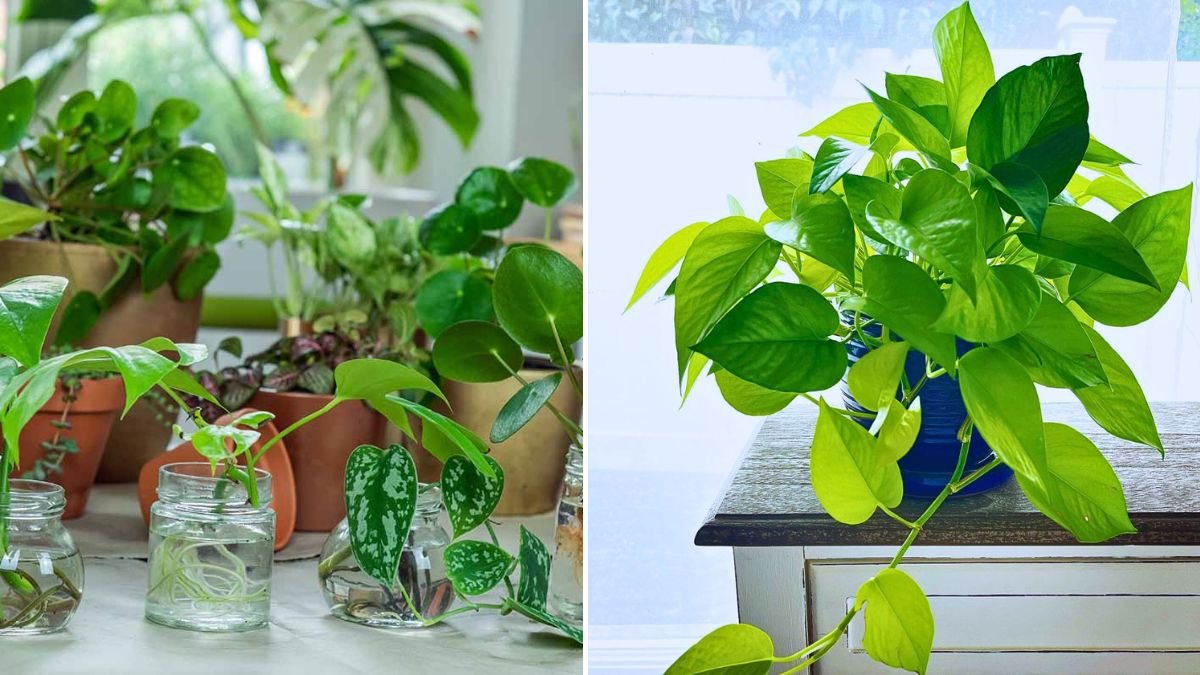

If you love houseplants, there’s nothing more satisfying than watching a tiny cutting grow into a full, thriving plant. Not only is propagating houseplants cost-effective, but it’s also a fun and rewarding way to expand your indoor garden. Many popular houseplants can be easily multiplied using cuttings, allowing you to share greenery with friends or create fuller displays at home.
Here’s a guide to 7 houseplants you can grow from cuttings, along with step-by-step tips to ensure success.
Why Propagate Houseplants from Cuttings?
Propagation is a method of cloning your existing plants. By taking cuttings, you can:
- Expand your indoor garden without buying new plants
- Rescue a struggling plant by creating new healthy growth
- Share plants with family and friends
- Experiment with plant arrangements and décor
- Learn more about plant growth and care
Cuttings can be taken from stems, leaves, or roots, depending on the plant. With patience and proper care, even beginners can successfully grow multiple new plants from a single parent.
1. Pothos (Epipremnum aureum)
Pothos is one of the easiest houseplants to propagate. Its trailing vines are perfect for cuttings.
How to propagate:
- Cut a 4–6 inch vine just below a leaf node.
- Remove the lower leaves, leaving at least two on top.
- Place the cutting in a glass of water until roots appear (1–2 weeks).
- Transplant to soil once roots are about 2–3 inches long.
Pothos cuttings grow quickly, and you can even root multiple cuttings in one jar for a cascading display.
2. Spider Plant (Chlorophytum comosum)
Spider plants produce “babies” or plantlets that are ideal for propagation. These offshoots already have tiny roots, making them easy to grow.
How to propagate:
- Gently separate the baby plant from the parent.
- Place in a pot with well-draining soil or in water.
- Keep the soil moist and indirect light exposure for a few weeks.
Spider plant cuttings root easily and quickly, creating new plants that can be placed in hanging baskets or decorative pots.
3. Philodendron
Philodendrons are versatile and grow well from stem cuttings. Their long vines and large leaves make them a favorite for indoor décor.
How to propagate:
- Take a stem cutting with at least one node and one leaf.
- Place the cutting in water or directly into moist soil.
- Keep in bright, indirect sunlight.
- Roots should develop within 2–4 weeks.
Philodendron cuttings can be trained to climb trellises or trail from shelves, creating a lush indoor jungle.
4. Monstera (Monstera deliciosa)
Monstera, also called the Swiss cheese plant, is a trendy houseplant known for its dramatic leaves. Propagating it from stem cuttings allows you to expand your collection without buying a new plant.
How to propagate:
- Cut a stem with at least one leaf and one aerial node.
- Submerge the node in water or plant in soil.
- Keep in warm, indirect light.
- Wait 2–6 weeks for roots to grow.
Monsteras grow quickly once rooted, and multiple cuttings can create a full, tropical display indoors.
5. Coleus
Coleus is prized for its colorful foliage. Unlike most houseplants, coleus can be propagated from tip cuttings in water or soil.
How to propagate:
- Snip a 3–4 inch stem just below a leaf node.
- Remove the lower leaves to prevent rot.
- Place in water or moist soil in bright, indirect light.
- Roots appear in about 1–2 weeks.
Coleus cuttings grow fast, and you can pinch tips to encourage bushier growth.
6. Begonia
Many begonias can be propagated from leaf or stem cuttings. Rex begonias, in particular, produce new plants from leaf segments.
How to propagate:
- Stem cuttings: Cut a healthy stem with a few leaves and plant in moist soil or water.
- Leaf cuttings: Cut a healthy leaf into sections, each with a main vein, and plant in damp soil.
- Cover with plastic to retain humidity.
Begonias root quickly and produce beautiful foliage or flowers, making them perfect for indoor gardens.
7. African Violet (Saintpaulia)
African violets can be propagated from leaf cuttings. This allows you to grow new plants identical to the parent.
How to propagate:
- Cut a healthy leaf with a short stem.
- Place the stem in moist soil or a soil-perlite mix.
- Cover loosely with plastic to retain humidity.
- Roots and baby plants emerge in 3–6 weeks.
African violet cuttings require a little patience, but the result is a full collection of flowering plants from just one leaf.
Tips for Successful Houseplant Propagation
- Use clean tools: Sterilize scissors or shears to prevent disease.
- Choose healthy parent plants: Avoid propagating from stressed or diseased plants.
- Provide bright, indirect light: Most cuttings root faster with consistent indirect sunlight.
- Maintain humidity: Cover cuttings with plastic or use a humidity dome to reduce moisture loss.
- Be patient: Rooting times vary by plant, so check regularly but avoid disturbing the cuttings.
- Transplant carefully: Once roots are established, plant in well-draining soil to encourage healthy growth.
Benefits of Growing Houseplants from Cuttings
- Cost-effective: Multiply your collection without buying new plants.
- Faster growth: Cuttings often establish more quickly than seeds.
- Perfect for gifts: Share rooted cuttings with friends and family.
- Sustainable gardening: Reduces waste and promotes healthy plant growth.
Propagation is a simple, rewarding way to make the most of your houseplants. With a few cuttings, you can turn one plant into an entire indoor garden.
Conclusion
Propagating houseplants from cuttings is a fun and cost-effective way to expand your indoor garden. From pothos and spider plants to monstera and African violets, these seven plants are ideal for beginners and experienced gardeners alike. By following proper techniques, providing adequate light and moisture, and practicing patience, you can turn a single plant into multiple thriving indoor plants.
Not only does this multiply your greenery, but it also encourages experimentation, observation, and a deeper connection with your indoor garden. With cuttings, your home can become a lush, thriving sanctuary of plants, all grown from just a few starting pieces.