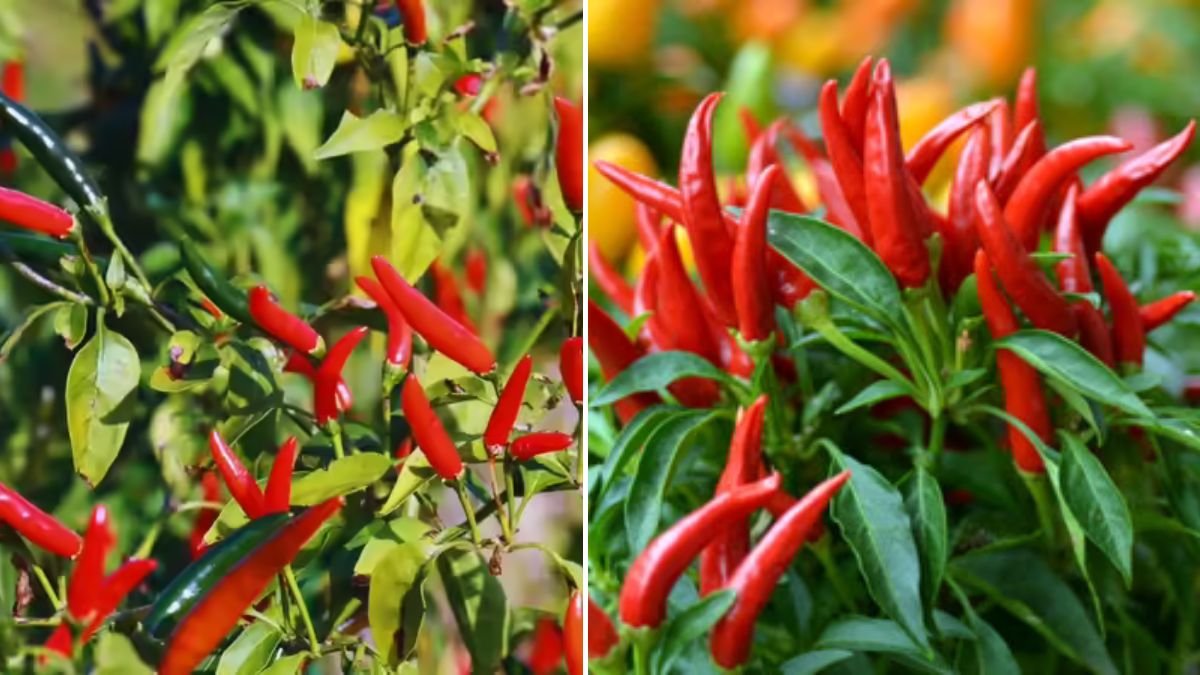

🌱 Background: Why Zero-Cost Gardening is Trending
Gardening has always been a practical way to save money and eat healthier, but a growing number of home growers are discovering that you don’t need to spend a dime to create a productive garden. By using seeds saved from last year’s harvest, composting kitchen scraps, repurposing containers, and applying natural growing methods, it’s possible to grow a thriving garden almost entirely for free.
The idea of starting with just one chili plant and expanding it into a full garden exemplifies this movement. From urban balconies to backyard plots, gardeners are increasingly exploring [FOCUS KEYWORD] — the principle of achieving maximum results with minimal monetary investment. This approach not only saves money but promotes sustainability and encourages creativity in home gardening.
🌍 Why Cost-Free Gardening Works
The key to a zero-cost garden is resourcefulness. Instead of buying new seeds, fertilizers, and gardening supplies every season, successful gardeners use what they already have:
- Seeds and cuttings: Save seeds from previous harvests or use kitchen scraps to regrow plants.
- Organic matter: Compost food scraps, leaves, and yard waste for natural fertilizer.
- Reused containers: Repurpose bottles, cartons, or old pots as planting vessels.
- Water conservation: Collect rainwater or reuse water from washing produce for irrigation.
These strategies form the backbone of [FOCUS KEYWORD], allowing gardeners to stretch resources while improving soil health, plant vigor, and yields.
🌶️ Step-by-Step Tips for Growing a Garden from One Chili
1. Save and Reuse Seeds
One of the most effective zero-cost methods is seed saving. Collect seeds from ripe chilies, tomatoes, beans, peas, or squash at the end of each season. Properly dried and stored seeds can last for years, giving you free starting material for future plantings. Seed saving also allows plants to adapt to your local climate, increasing resilience over time.
2. Regrow Plants from Kitchen Scraps
Many edible plants can be regrown from scraps that would otherwise be thrown away:
- Green onion bases can regrow in water or soil.
- Lettuce and celery can regrow from the bottom of the stalk.
- Chili and bell pepper seeds can sprout from leftover fruit.
These practices turn a few scraps into multiple productive plants — perfect for expanding a garden from a single chili.
3. Composting: The Ultimate Free Fertilizer
Composting is one of the most powerful zero-cost techniques. Kitchen scraps, shredded newspaper, leaves, and lawn clippings break down into nutrient-rich soil amendments. This “black gold” enhances soil fertility, boosts microbial activity, and supports vigorous plant growth. With composting, even a small garden plot can produce abundant, healthy crops without spending money on chemical fertilizers.
4. Reuse Containers and Materials
Almost anything can be repurposed as a plant container:
- Bottles, jars, and cartons make excellent seed trays.
- Broken pots, old crates, and pallets can serve as planting beds.
- Plastic tubs, buckets, or bins can become raised beds for vegetables.
This approach aligns perfectly with [FOCUS KEYWORD], turning waste into valuable gardening tools.
5. Collect Rainwater
Watering can be a costly or labor-intensive part of gardening. Using buckets or barrels to collect rainwater provides a free and sustainable irrigation source. Rainwater is often better for plants than treated tap water because it is naturally soft and free from chemicals like chlorine. Even small collections can make a difference during dry spells.
6. Participate in Seed Swaps
Community seed swaps are an excellent way to diversify your garden without buying seeds. Bring a portion of your saved seeds and exchange them for new varieties. These swaps are also opportunities to learn techniques from other experienced gardeners and access hard-to-find plant varieties at no cost.
🌼 Advanced Zero-Cost Techniques
Chaos Gardening
Also called scatter planting, chaos gardening involves sowing leftover seeds over open soil and letting nature decide what grows. While results can be unpredictable, this method often yields edible plants and flowers for no additional investment.
No-Dig and Sheet Mulching
No-dig gardening minimizes soil disturbance, while sheet mulching (layering cardboard, newspaper, or leaves with organic matter) creates fertile, weed-free beds. Both techniques improve soil structure, retain moisture, and allow plants to thrive with virtually no expense.
Square-Foot Gardening
Dividing a garden into small, intensively planted squares maximizes yield from limited space. This method is especially effective for beginners or urban growers using containers or small backyard plots. By planting densely, you can produce more food without additional inputs.
🌿 Real Stories: From One Chili to a Full Garden
Many gardeners report astonishing results from applying zero-cost techniques. One grower described saving seeds from a single chili plant and eventually producing dozens of peppers throughout the season. Others have regrown herbs, leafy greens, and vegetables from kitchen scraps, creating entire micro-gardens that supply fresh produce all year.
Even small plots or balconies can support a diverse edible garden using these methods. Starting with one plant — such as a chili — can act as a seed source, inspiring a self-sustaining, expanding garden.
🌻 Common Myths About Cost-Free Gardening
“Free gardening won’t produce enough food.”
Not true. By combining seed saving, composting, smart spacing, and container growing, gardeners can produce substantial yields. Many homegrown gardens provide vegetables and herbs year-round.
“Zero-cost means zero effort.”
Gardening without money does require time, care, and observation. But the rewards — healthy soil, abundant crops, and personal satisfaction — often outweigh the labor. Learning to grow with minimal resources builds skills and resilience for long-term gardening success.
📚 Authoritative Sources for Learning More
- Gardener’s Supply – Gardening on a Budget: Practical money-saving tips for home gardeners. (gardeners.com)
- Thompson & Morgan – Top Money-Saving Gardening Tips: Advice on seed saving, composting, and free resources. (thompson-morgan.com)
- The Ultimate Homestead – How to Start a Garden on a Budget: Regrowing plants from scraps and creative planting. (theultimatehomestead.com)
- The Nature of Home – Cheap Gardening Ideas: Cost-free methods to maximize productivity. (thenatureofhome.com)
- GV Wire – Dirt-Cheap Gardening Secrets: Community tips and zero-cost strategies for backyard gardening. (gvwire.com)
These resources provide actionable guidance and inspiration for gardeners seeking to implement [FOCUS KEYWORD] techniques effectively.
🌟 Final Thoughts
Starting with just one chili plant and growing a full garden without spending a cent may sound improbable, but it’s entirely achievable with creativity, resourcefulness, and smart techniques. By saving seeds, composting, reusing materials, and participating in community swaps, even a small plot or balcony can become a self-sustaining edible oasis.
[FOCUS KEYWORD] shows that gardening doesn’t have to be expensive to be effective. By leveraging free resources and working with nature, you can cultivate abundant crops, improve soil health, and enjoy the satisfaction of growing your own food — all without opening your wallet.