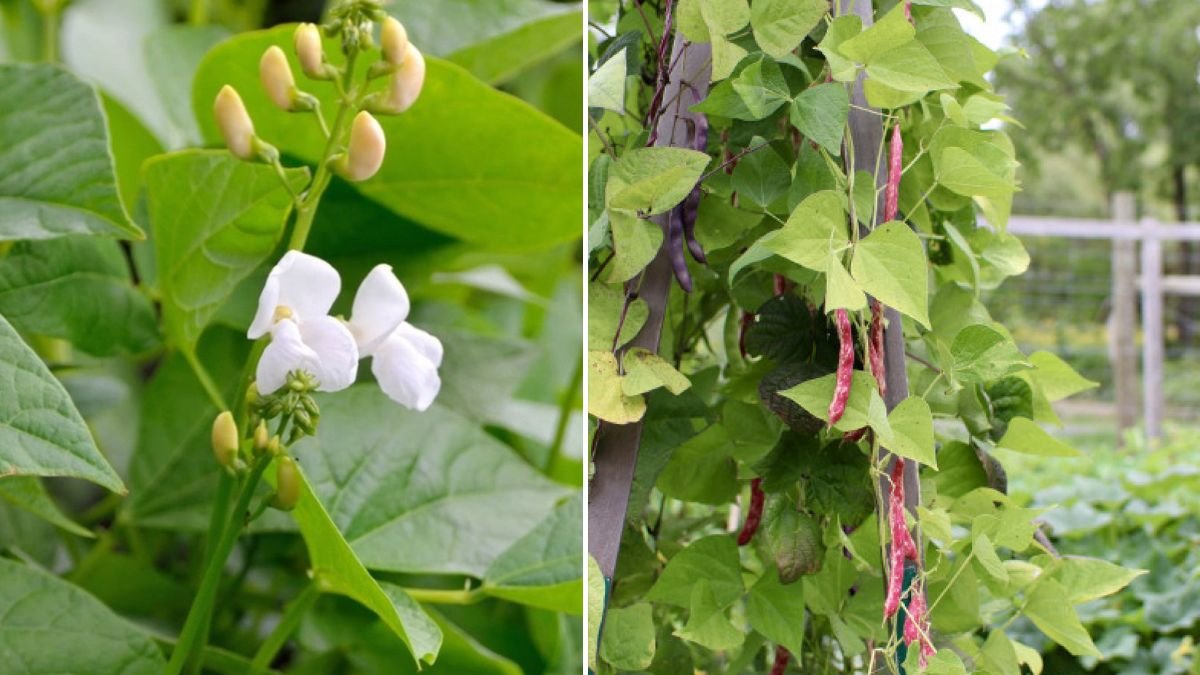

🌱 Why Bean Plants Flower Naturally
Bean plants are members of the legume family (Fabaceae), and flowering is a natural reproductive process. Flowers are where fertilization occurs, eventually developing into bean pods. This means that even with minimal care, bean plants can reach the flowering stage if they have sunlight and basic growing conditions. (greg.app)
In many cases, flowering happens even when plants are stressed or neglected. What appears to be a “reward” is actually the plant’s survival instinct — it’s trying to reproduce before resources become scarce or conditions worsen. Most bean varieties can self-pollinate, so flowers often lead to seed formation even without intensive care.
🌸 What Bean Flowers Indicate
Bean flowers are small but striking, often appearing in colors like white, pink, or purple depending on the variety. When your bean plants start to bloom, it signals several important things:
- Plant Maturity: Flowering occurs once the plant reaches a certain age and size.
- Potential for Pollination: Flowers are designed to attract pollinators or self-pollinate, leading to pod formation.
- Upcoming Harvest: Each flower is a potential pod, meaning the plant is preparing for reproduction. (greg.app)
Even if a plant has been neglected, flowering is its way of ensuring survival and continuing its life cycle. However, not all flowers will necessarily produce pods, especially if conditions aren’t optimal.
🌾 Why Flowers May Not Become Pods
One common question for gardeners is why bean plants bloom but fail to set fruit. Several factors can cause this:
☀️ Temperature Stress
High heat can cause flowers to develop but then drop off before forming pods. This is common during summer heatwaves when temperatures exceed the plant’s tolerance. (facebook.com)
💧 Inconsistent Watering
Bean plants require consistent moisture, particularly during flowering. Drought stress can lead flowers to abort before fertilization. Overwatering, on the other hand, can suffocate roots and prevent pod formation. (extension.usu.edu)
🐝 Lack of Pollinators
Although beans can self-pollinate, insect activity can improve pod production. A neglected garden may attract fewer bees or other pollinators, reducing the number of flowers that successfully develop into beans. (greg.app)
Understanding these factors helps gardeners take small corrective actions that can significantly increase yield.
🌻 How to Encourage More Pods
If your bean plants are flowering but producing few beans, there are simple steps to help them thrive:
🌞 Ensure Adequate Sunlight
Beans need 6–8 hours of direct sunlight daily to develop healthy flowers and pods. Move containers or choose a sunnier spot in your garden to maximize light exposure. (greg.app)
💦 Maintain Consistent Moisture
Deep, regular watering helps flowers develop into pods. Mulching around the base of the plants can retain soil moisture and reduce stress during dry periods. (extension.usu.edu)
🐝 Encourage Pollinators
Plant companion flowers nearby, such as marigolds, basil, or sunflowers, to attract bees and other pollinators. Increased pollinator activity improves fertilization and pod production.
🌱 Provide Nutrient-Rich Soil
Fertilize your bean plants with compost or organic fertilizer to supply essential nutrients during flowering. Beans are nitrogen fixers, but they still benefit from phosphorus and potassium for strong flower and pod development.
🌿 Background: Bean Plants and Their Lifecycle
Beans have been cultivated worldwide for thousands of years, valued for their edible seeds and ability to enrich soil through nitrogen fixation. Their lifecycle begins with seed germination, followed by vegetative growth, flowering, pollination, pod formation, and seed maturity. (en.wikipedia.org)
Even in neglected conditions, bean plants attempt to complete this lifecycle. Flowers are a key stage in this process, signaling that the plant is actively working toward reproduction. Observing this natural cycle helps gardeners understand plant behavior and optimize care for better yields.
🌸 Observing Nature’s Resilience
Neglected bean plants that bloom are a reminder of nature’s resilience. They show that even minimal care can result in growth and beauty, and they provide valuable learning opportunities for gardeners. By observing the plants, gardeners can identify flowering patterns, potential pest issues, and pollination needs to maximize future harvests.
🧑🔧 Tips for Successful Bean Gardening
To make the most of your flowering bean plants and increase yield, follow these tips:
- Plan for Timing: Plant early in the season to avoid extreme heat during flowering.
- Choose the Right Variety: Bush beans mature faster, while pole beans provide extended harvests.
- Support Pollination: Hand-pollinate flowers if insect activity is low.
- Regular Observation: Check plants frequently to monitor soil moisture, pests, and flower health.
- Fertilize Wisely: Use balanced fertilizers, especially phosphorus and potassium, to encourage pod formation.
Even simple attention to these factors can transform a neglected garden into a productive one.
📚 Authoritative Sources
To provide credibility and additional reading for your audience, consider linking to these sources:
- Utah State University Extension – Beans in the Garden: Practical advice on bean cultivation and care. (extension.usu.edu)
- Greg.app – Bean Flowers Explained: Insights into flowering and pollination. (greg.app)
- Wikipedia – Bean: Botanical background and global cultivation information. (en.wikipedia.org)
These references support practical gardening tips and scientific context for your readers.
🌟 Final Thoughts
Flowering bean plants are a testament to nature’s resilience. Even when neglected, they strive to complete their lifecycle and produce seeds for the next generation. Observing these flowers provides insight into plant health, pollination, and future harvest potential.
With [FOCUS KEYWORD], gardeners can learn to appreciate the beauty and function of flowers, taking small steps to improve care and increase yield. By providing sunlight, consistent water, pollinator access, and nutrient-rich soil, those delicate blooms can turn into abundant, delicious beans.
Whether you’re a beginner or an experienced gardener, learning to work with your plants’ natural growth patterns ensures a more rewarding and successful gardening experience. Even neglect can be educational — and beautiful.