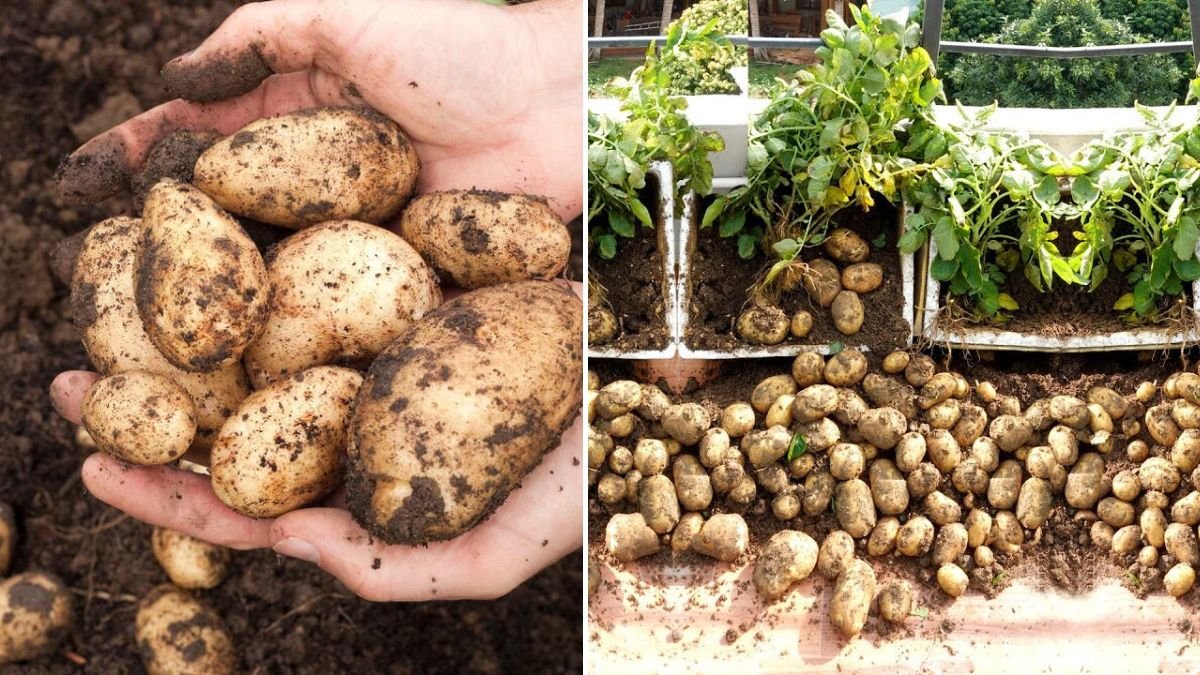

🥔 Why Potatoes Are Ideal for Low-Cost Home Gardening
Potatoes are one of the most resilient and versatile crops for beginner and urban gardeners. They are nutrient-dense, filling, and easy to store, making them a practical choice for households looking to supplement their meals without relying on store-bought produce.
Key reasons potatoes are perfect for [FOCUS KEYWORD] include:
- Adaptability: Potatoes thrive in containers, grow bags, buckets, and even cardboard boxes, meaning you don’t need a traditional garden.
- Affordability: You don’t need expensive seeds — sprouted potatoes from your kitchen pantry often work perfectly.
- Resilience: Potatoes grow well in a variety of soils and weather conditions.
- High Yield: Even a small container can produce dozens of potatoes, allowing you to grow a substantial harvest in a limited space. (thecooldown.com)
Whether you live in an apartment with a balcony or a small yard, potatoes give you an opportunity to grow food almost anywhere, making them the ultimate crop for resourceful gardeners.
🌟 Real-Life Inspiration: Growing Potatoes with Zero Budget
One inspiring story comes from the YouTube video “I Had No Garden, No Money… Yet I Grew a Ton of Potatoes!” by TEO Garden (2025). In this video, the gardener demonstrates how they managed to produce a remarkable potato harvest using only recycled containers, minimal soil, and sprouted potatoes from the kitchen. (youtube.com)
Highlights from the video:
- Using old buckets, bags, and even cardboard boxes as planters.
- Starting potatoes from pantry scraps to save costs.
- Layering soil and compost as the plants grew to maximize yields.
- Efficient watering and sunlight exposure to encourage rapid growth.
This real-world example shows that [FOCUS KEYWORD] isn’t just theory — anyone can replicate these methods with everyday materials.
🌱 Step-by-Step Guide to Growing Potatoes with No Garden and No Money
1. Choose Your Containers
Without a garden, containers are your best friend. Almost anything with a bit of depth and drainage can serve as a potato planter:
- Buckets, large storage bins, old trash cans, or even sturdy cardboard boxes.
- Ensure each container has holes for water drainage.
- Line the bottom with straw, leaves, or shredded paper to retain moisture and improve aeration.
Container growing is particularly effective because potatoes grow downwards, and layering soil allows you to produce multiple potato harvests from the same container. (ruralsprout.com)
2. Start With Potato “Eyes”
You don’t need seed potatoes or specialized products. Potatoes from your kitchen, especially organic ones, can be used.
- Leave potatoes in a light, warm space to sprout small shoots (called “chitting”).
- Once the sprouts are 1–2 inches long, they’re ready to plant.
- Cut larger potatoes into pieces with at least one eye per piece for multiple plants.
This step is crucial for [FOCUS KEYWORD], as it ensures you’re growing from live sprouts and maximizes your yield without spending money.
3. Layer Soil for Maximum Growth
Potatoes produce more tubers when you layer soil around their stems as they grow. This method, often called hilling, works perfectly in containers:
- Plant the sprouted potato 4–6 inches deep.
- As shoots grow 6–8 inches tall, add another layer of soil or compost, leaving the top leaves exposed.
- Repeat this layering process throughout the growing season.
This encourages the plant to produce tubers along the buried stem and increases your harvest without needing additional space.
4. Optimize Space in Small Areas
Even if you don’t have a garden, you can grow a ton of potatoes vertically or in tight spaces:
- Use grow bags, tall containers, or stackable pots.
- Consider vertical towers made from fabric or recycled materials.
- Place containers where they receive 6–8 hours of sunlight per day.
With vertical growing, you can harvest large quantities of potatoes on a balcony, patio, or rooftop. (thecooldown.com)
5. Watering and Sunlight
Consistent moisture is key for potato growth. Overwatering can rot the tubers, while underwatering reduces yields:
- Water deeply when the top inch of soil feels dry.
- Avoid watering leaves to prevent fungal diseases.
- Ensure containers receive at least a few hours of sunlight daily for strong plants.
Sunlight fuels photosynthesis, and consistent watering ensures the tubers swell evenly, maximizing your harvest.
6. Harvesting
Potatoes are typically ready for harvest 10–12 weeks after planting, depending on the variety:
- Early potatoes can be harvested when flowers start appearing.
- Main crop potatoes should be left until plants die back naturally.
- Gently dig into the soil or remove containers to collect tubers, taking care not to damage them.
Regular harvesting and removing older tubers also encourages new growth if your container allows layering for successive crops.
💡 Tips to Overcome Common Obstacles
Even with low-cost methods, some challenges can occur:
Pests: Aphids, beetles, and other pests can be managed naturally with neem oil, soap sprays, or manual removal.
Soil Nutrients: Kitchen scraps, compost, or manure can enrich your soil cheaply. Avoid chemically treated potatoes for health and better sprouting.
Limited Sunlight: If you lack full sun, consider reflective surfaces or moving containers throughout the day to maximize light exposure.
By addressing these issues proactively, even gardeners with no land or money can succeed.
📈 Benefits of [FOCUS KEYWORD]
Implementing [FOCUS KEYWORD] brings more than just potatoes to your kitchen:
- Food Security: Grow your own staple crop without relying on stores.
- Cost Savings: Produce high-yield potatoes without investing in land or seeds.
- Sustainability: Reduce reliance on commercial agriculture and packaging.
- Empowerment: Gain valuable skills in gardening, resourcefulness, and problem-solving.
Potatoes grown at home are fresher, tastier, and often more nutritious than store-bought alternatives. You can also experiment with different varieties for flavor and size.
📚 Authoritative Resources
For additional guidance and inspiration, these sources are invaluable:
- Container Gardening Tips: Learn to grow potatoes in small spaces and maximize yields. (thecooldown.com)
- Growing Potatoes from Sprouts: Step-by-step instructions for low-cost planting. (ruralsprout.com)
- No-Dig Potato Methods: A beginner-friendly approach to potato cultivation without heavy labor. (growveg.com)
- YouTube Visual Guide: Watch “I Had No Garden, No Money… Yet I Grew a Ton of Potatoes!” by TEO Garden. (youtube.com)
These resources will help you expand your knowledge and increase your potato yields, even with minimal space and budget.
🥔 Conclusion
You don’t need a backyard, fancy tools, or expensive seeds to grow potatoes. With [FOCUS KEYWORD], a little creativity, and consistent care, even the smallest spaces can produce a ton of potatoes.
Start with containers, sprouted potatoes, and layered soil. Water consistently, provide sunlight, and harvest at the right time. By applying these methods, you’ll enjoy a steady supply of fresh, homegrown potatoes, reduce your grocery costs, and gain confidence in your gardening abilities.
Growing potatoes with nothing but determination is not just a way to feed your family — it’s a life skill, a fun hobby, and a step toward sustainable living. Start small, stay consistent, and in just a few weeks, you’ll be amazed at how much you can grow. 🥔💪