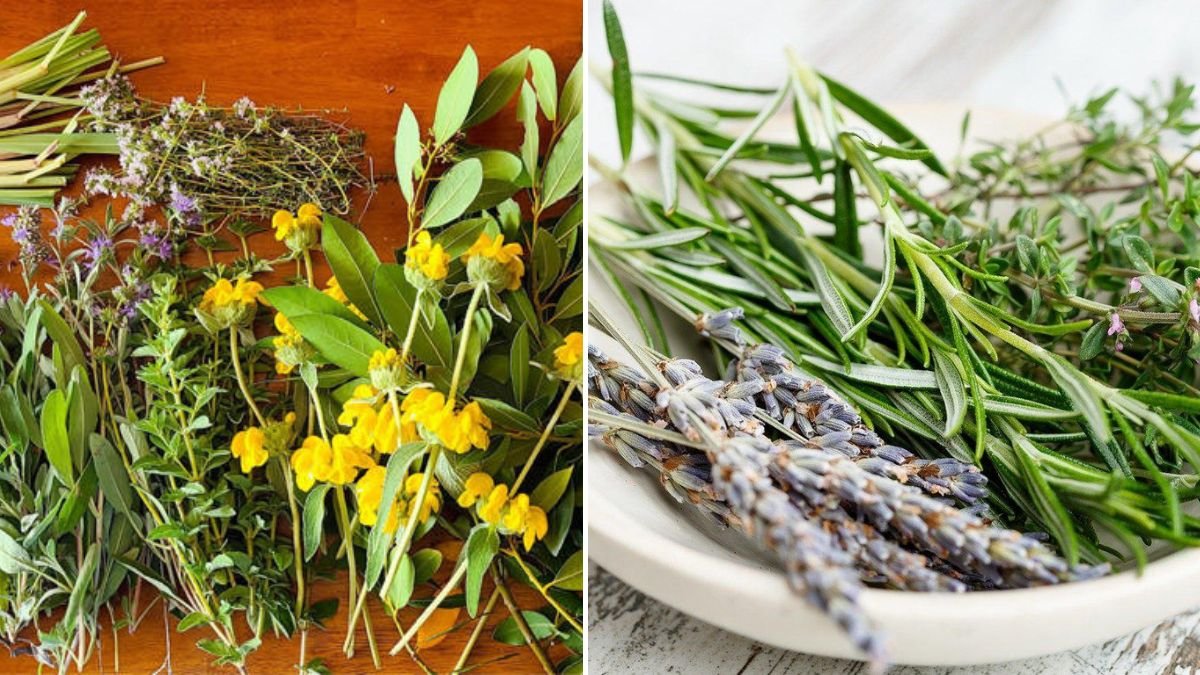

What Are Woody Herbs?
Woody herbs are herbs with hard, fibrous stems and sturdy leaves. The most common ones include rosemary, thyme, sage, bay leaf, oregano, marjoram, and lavender. These herbs grow on small shrubs rather than soft plants, which is why their structure is tougher.
What makes woody herbs so valuable is their high concentration of essential oils. These oils are responsible for their strong aroma and flavor. Because they are oil-based rather than water-based, they need heat and fat to fully release their taste. That is why woody herbs are best added early in the cooking process rather than at the end.
When you understand this simple rule, you unlock the true potential of these herbs.
Why Woody Herbs Enhance Meals So Well
Woody herbs are flavor builders. They don’t just season the surface of your food — they penetrate it. When added to soups, sauces, braises, and roasted dishes, they slowly release their aromatic compounds into the cooking liquid or fat. This creates a deeper, richer taste that spreads throughout the dish.
For example, a sprig of rosemary added to roasting potatoes will perfume the entire pan, giving every bite a savory, pine-like fragrance. A bay leaf in a pot of beans or rice adds subtle background warmth that you may not consciously notice but would definitely miss if it were absent.
This ability to enhance without overpowering is what makes woody herbs essential in long-cooked and hearty meals.
When to Add Woody Herbs for Best Flavor
Timing is everything when learning how to use woody herbs to enhance your meals. Because these herbs are tough and aromatic, they should almost always be added early in the cooking process.
Add them at the beginning when:
- Making soups, stews, or broths
- Braising meat or vegetables
- Roasting poultry, potatoes, or root vegetables
- Cooking sauces or gravies
Adding woody herbs early allows heat and moisture to extract their oils slowly, giving the dish a balanced, well-rounded flavor. If you add them too late, their flavor will be harsh and undeveloped.
One exception is finely chopped leaves from woody herbs such as thyme or oregano. These can be added in the last few minutes for a fresh herbal note, but the stems should always be used early and removed later.
How to Use Whole Sprigs vs Chopped Herbs
Whole sprigs of woody herbs are incredibly useful. When you add a sprig of rosemary or thyme to a dish, the leaves stay attached to the stem, making it easy to remove once cooking is complete. This is especially helpful for soups and sauces, where stray leaves might not be pleasant to bite into.
Chopped woody herbs, on the other hand, work best when:
- You want the herb to become part of the texture of the dish
- You are using small amounts for seasoning
- The cooking time is not extremely long
For example, finely chopped thyme works beautifully in scrambled eggs or pasta sauces, while a whole rosemary sprig is better for roasting meat.
The Power of Herb Bundles and Bouquet Garni
A bouquet garni is a simple but powerful technique that makes using woody herbs effortless. It is a small bundle of herbs tied together with kitchen string and added to a dish while it cooks.
A typical bouquet garni might include:
- Thyme
- Bay leaf
- Parsley stems
- Rosemary or sage
You simply drop the bundle into your soup, stew, or sauce, let it infuse the flavors, and then remove it before serving. This method prevents loose herbs from floating around and ensures smooth, balanced flavor.
This technique is especially helpful when cooking large batches of food or when preparing slow-simmered dishes.
Best Foods to Pair with Woody Herbs
Woody herbs shine when paired with hearty, rich, or starchy foods. Some of the best combinations include:
Roasted meats:
Rosemary, thyme, and sage pair beautifully with chicken, lamb, beef, and pork. They cut through fat and enhance savory depth.
Root vegetables:
Potatoes, carrots, parsnips, squash, and sweet potatoes love woody herbs. Toss them with olive oil, salt, and rosemary or thyme before roasting for incredible flavor.
Beans and lentils:
Bay leaf, thyme, and oregano add warmth and complexity to legumes.
Tomato-based dishes:
Oregano and thyme complement the acidity of tomatoes in pasta sauces, soups, and stews.
Bread and oils:
Rosemary and thyme are wonderful when baked into bread or infused into olive oil.
Using Woody Herbs in Oils and Fats
One of the most effective ways to extract flavor from woody herbs is through fat. Oil, butter, and animal fats dissolve and carry the herbs’ aromatic compounds.
To make herb-infused oil:
- Gently warm olive oil in a pan.
- Add a sprig of rosemary or thyme.
- Let it heat slowly for a few minutes.
- Remove the herbs and use the oil for cooking or drizzling.
This technique is perfect for sautéing vegetables, brushing on roasted meats, or finishing pasta.
Fresh vs Dried Woody Herbs
Woody herbs work well both fresh and dried. Dried versions are more concentrated and are especially good for long cooking times. Fresh herbs offer brighter aroma and visual appeal.
Use dried woody herbs when:
- Making soups, stews, or chili
- Cooking beans or grains
- Slow-cooking sauces
Use fresh woody herbs when:
- Roasting meats or vegetables
- Infusing oils
- Garnishing dishes
As a rule, use about one-third the amount of dried herbs compared to fresh.
When Not to Use Woody Herbs
Woody herbs are powerful, but they are not ideal for every dish. Avoid using them in:
- Fresh salads
- Fruit dishes
- Light vinaigrettes
- Delicate sauces
In these cases, softer herbs like basil, parsley, mint, or dill are better suited.
Final Thoughts
Learning how to use woody herbs to enhance your meals is one of the simplest ways to upgrade your cooking. These herbs bring depth, aroma, and warmth that no spice mix can replace. By adding them at the right time, pairing them with the right foods, and using smart techniques like herb bundles and infused oils, you can transform everyday ingredients into rich, flavorful dishes.