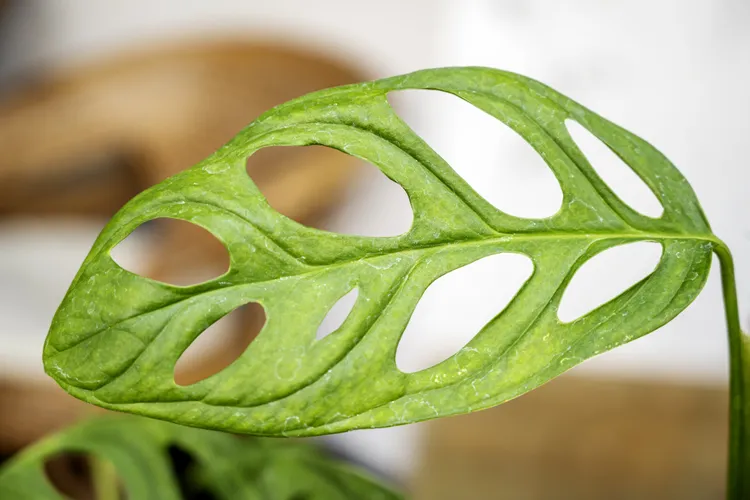

Monstera obliqua is one of the most coveted houseplants among collectors and plant enthusiasts. Famous for its delicate, lace-like leaves with striking perforations, this rare tropical beauty is often called the “Holy Grail of Monsteras.” While it shares some care traits with the more common Monstera deliciosa, Monstera obliqua has unique requirements that must be met for it to thrive indoors.
Whether you’re lucky enough to own a cutting, a small plant, or are considering adding one to your collection, understanding how to recreate its natural tropical environment indoors is crucial for healthy growth.
Why Monstera Obliqua Is So Rare
Monstera obliqua is incredibly rare in cultivation because of its slow growth and delicate structure. Unlike Monstera deliciosa, which produces large, hardy leaves quickly, Monstera obliqua tends to produce very thin, almost translucent leaves, and only a few at a time. Its rarity is also due to:
- Limited propagation: Propagating successfully requires careful attention to humidity, moisture, and nutrients.
- Fragile leaves: Thin leaves are easily damaged by overwatering, low humidity, or direct sunlight.
- Specific environmental needs: Replicating its native Central and South American rainforest habitat indoors can be challenging.
Understanding these factors helps plant owners approach Monstera obliqua care with the attention and patience it requires.
Step 1: Choose the Right Container and Soil
Monstera obliqua prefers well-draining soil and a container that supports both its growth and root health:
- Potting mix: Use a mix of peat moss, orchid bark, perlite, and a small amount of activated charcoal. This ensures moisture retention while allowing excess water to drain. Avoid dense garden soil or clay-heavy mixes.
- Container choice: A pot with drainage holes is essential. While decorative outer pots are fine, the inner pot must allow water to escape freely.
- Optional: Add sphagnum moss on top of the soil to maintain humidity around the base, which benefits aerial roots and reduces leaf stress.
A well-draining, airy potting mix is key to preventing root rot and supporting healthy root development.
Step 2: Provide Adequate Light
Monstera obliqua thrives in bright, indirect light. Direct sunlight can scorch its delicate leaves, while too little light can slow growth:
- Place your plant near an east-facing or north-facing window where it receives gentle morning sun or filtered light.
- If natural light is limited, supplement with full-spectrum LED grow lights, which provide the intensity and spectrum needed for tropical growth.
- Rotate the plant periodically to ensure even light exposure, promoting balanced leaf development.
Correct lighting ensures leaves remain vibrant and perforated while supporting steady growth.
Step 3: Maintain High Humidity
Monstera obliqua is a tropical rainforest plant and thrives in high humidity. Indoor environments, especially heated or air-conditioned spaces, often fall short.
- Ideal humidity: 70% or higher.
- Techniques to increase humidity:
- Place the plant on a humidity tray with water and pebbles.
- Use a room humidifier near the plant.
- Group plants together to create a microclimate of higher moisture.
- Regular misting can help, but be cautious of excess water on leaves, which can encourage fungal growth.
High humidity helps Monstera obliqua develop strong, healthy leaves without browning edges or curling.
Step 4: Water Carefully
Watering is one of the most important aspects of Monstera obliqua care:
- Watering schedule: Keep the soil slightly moist but not soggy. Allow the top inch of soil to dry before watering again.
- Water quality: Use filtered or distilled water if your tap water is hard or heavily chlorinated.
- Avoid standing water: Ensure excess water drains freely to prevent root rot, which Monstera obliqua is especially susceptible to.
The key is consistent moisture management — too much water can be fatal, while too little slows growth.
Step 5: Support Its Growth
Monstera obliqua is a climbing plant in the wild, often growing on trees in rainforest understories. Providing structural support encourages natural growth and prevents damage:
- Use a moss pole or trellis for the plant to climb.
- Gently tie vines to the support with soft plant ties to avoid tearing delicate leaves.
- Encourage aerial roots to anchor to the support, which can help the plant absorb humidity and nutrients.
Support structures mimic the plant’s natural climbing behavior, resulting in fuller, healthier growth.
Step 6: Fertilize Sparingly
Monstera obliqua is sensitive to over-fertilization, so careful nutrient management is essential:
- Use a balanced, diluted fertilizer every 4–6 weeks during the growing season (spring and summer).
- Organic options like worm castings or seaweed extract provide nutrients without overloading the plant.
- Avoid fertilizing in fall and winter, when growth naturally slows.
Proper fertilization promotes leaf development and strong root growth while reducing the risk of chemical burn.
Step 7: Monitor for Pests and Disease
Due to its rarity and delicate structure, Monstera obliqua can be prone to pests:
- Common pests: Spider mites, aphids, mealybugs. Inspect leaves regularly.
- Preventive measures: Maintain high humidity and proper airflow. Remove dead leaves promptly.
- Treatment: Use organic insecticidal soap or neem oil if pests appear.
A careful monitoring routine helps the plant stay healthy without chemical overuse.
Step 8: Patience Is Key
Monstera obliqua grows slowly, producing only a few leaves at a time. It may take years for the plant to reach full size indoors. Don’t be discouraged by slow growth:
- Focus on healthy leaves and roots rather than rapid expansion.
- Each leaf is delicate; avoid handling excessively.
- Celebrate small progress — even a single new perforated leaf is a sign of thriving growth.
Patience and consistent care are essential for this rare tropical beauty.
Additional Tips for Success
- Temperature: Keep indoor temperatures between 65–80°F (18–27°C). Avoid cold drafts or sudden temperature fluctuations.
- Air circulation: Good airflow reduces fungal risks without drying the plant too much.
- Repotting: Monstera obliqua likes slightly snug pots. Repot every 1–2 years in a fresh soil mix to maintain root health.
- Leaf cleaning: Wipe leaves gently with a damp cloth to remove dust and allow efficient photosynthesis.
Following these practices ensures Monstera obliqua thrives indoors and develops its characteristic perforated foliage.
Final Thoughts
Growing Monstera obliqua indoors is a rewarding but challenging journey. Its rarity and delicate structure demand specific care, including bright, indirect light, high humidity, well-draining soil, gentle watering, and structural support. While the plant grows slowly, the unique, lace-like leaves are worth every bit of patience and attention.
By providing the right environment and respecting its natural habits, you can successfully cultivate Monstera obliqua in your home. Over time, your rare plant will reward you with stunning, delicate foliage that’s a true showpiece for any indoor plant collection.
With patience, care, and the right techniques, your Monstera obliqua can flourish indoors, becoming a conversation starter and a symbol of dedication in your plant journey.