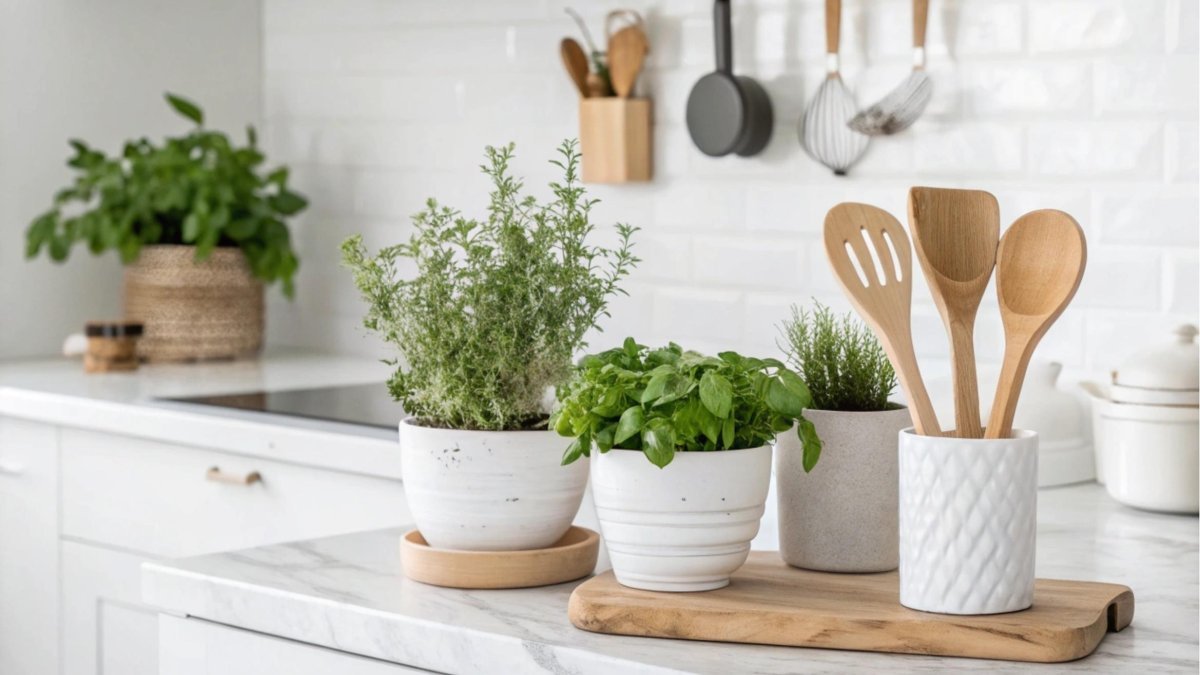

Even in the depths of winter, fresh herbs can brighten your cooking, boost flavor, and bring a touch of greenery to your home. Growing herbs indoors is not only practical but also rewarding, allowing you to enjoy aromatic basil, mint, thyme, or rosemary all year round. With the right techniques, indoor herb gardening can thrive even during the cold, low-light months.
This guide will walk you through everything you need to know to grow herbs successfully indoors in winter, from choosing the right varieties to providing light, water, and nutrients for a bountiful indoor garden.
Why Grow Herbs Indoors During Winter?
Winter can be a challenging season for gardeners. Outdoor soil may freeze, temperatures drop, and sunlight is limited. By bringing herbs indoors, you gain several benefits:
- Year-round fresh herbs for cooking and teas.
- Improved indoor air quality, as herbs release oxygen and aromatic compounds.
- A decorative, natural accent that brightens windowsills and countertops.
- Control over growing conditions, avoiding pests and harsh weather.
Indoor herb gardening is a simple and sustainable solution for continuing your gardening hobby even when it’s too cold outside.
Step 1: Choose the Right Herbs
Not all herbs thrive indoors, especially during winter. Some herbs are more adaptable to low light and limited space, while others need more care. Here’s a breakdown:
Easy Indoor Herbs
- Basil: Loves light and warmth; great for windowsills or grow lights.
- Chives: Hardy and low-maintenance; can grow in small pots.
- Mint: Fast-growing; keep it contained as it spreads quickly.
- Parsley: Thrives in moderate light; slow but steady growth.
- Thyme: Prefers well-draining soil and bright light.
- Oregano: Easy to maintain; grows compactly in containers.
- Rosemary: Requires good light and well-draining soil; fragrant addition to any kitchen.
Choosing herbs suited for indoor winter conditions ensures a healthy, productive indoor garden.
Step 2: Select Containers and Soil
Herbs grow best in containers that provide drainage and room for roots.
Container Tips
- Use pots with drainage holes to prevent waterlogging.
- Opt for medium-sized pots: 6–8 inches for individual herbs, or larger for multiple varieties.
- Consider decorative pots with a saucer to catch excess water.
Soil Tips
- Use a high-quality potting mix rather than garden soil. Indoor soil may compact and retain too much water.
- Add perlite or sand for improved drainage, especially for Mediterranean herbs like rosemary and thyme.
- Avoid heavy, clay soils, which can cause root rot in indoor conditions.
A well-draining pot and soil mix is crucial for healthy root growth and disease prevention.
Step 3: Provide Adequate Light
Light is often the biggest challenge when growing herbs indoors during winter. Herbs need 6–8 hours of light per day for optimal growth:
- Place pots on south- or west-facing windowsills for natural sunlight.
- Rotate plants periodically to ensure even exposure.
- If natural light is insufficient, use full-spectrum LED grow lights, keeping them 6–12 inches above the plants for 12–14 hours daily.
- Avoid placing herbs in cold drafts or low-light corners, which can stunt growth.
Proper lighting ensures your herbs remain vibrant, flavorful, and productive throughout the season.
Step 4: Watering and Humidity
Watering indoor herbs requires balance. Overwatering is a common mistake in winter because evaporation is slower:
- Check soil moisture regularly; water when the top inch of soil feels dry.
- Use room-temperature water to avoid shocking roots.
- Ensure pots drain freely; never let herbs sit in standing water.
- Herbs like rosemary and thyme prefer slightly drier conditions, while basil, parsley, and mint enjoy consistent moisture.
Winter air indoors is often dry, especially with heating. Increase humidity by:
- Placing a small humidifier near your herbs.
- Grouping plants together to create a microclimate of higher humidity.
- Using pebble trays with water under pots (without letting the pot sit directly in water).
Maintaining proper moisture and humidity helps prevent leaf drop, yellowing, and slow growth.
Step 5: Fertilizing Herbs Indoors
Herbs in containers need nutrients supplied through fertilization, as potting soil is limited:
- Use a balanced, water-soluble fertilizer every 3–4 weeks during winter growth.
- Organic options like worm castings or fish emulsion provide slow-release nutrients without over-fertilization.
- Avoid over-fertilizing, which can lead to weak, leggy growth or bitter leaves.
Fertilizer supports steady growth, strong roots, and flavorful leaves.
Step 6: Pruning and Harvesting
Regular pruning and harvesting encourage bushier growth and prevent legginess:
- Pinch back tips to promote branching.
- Harvest leaves from the top to allow the plant to continue growing.
- Remove yellowing or damaged leaves promptly to prevent disease.
- For perennial herbs like thyme and rosemary, prune lightly to maintain shape and encourage new growth.
Proper pruning keeps your indoor herb garden healthy, attractive, and productive.
Step 7: Watch for Pests and Diseases
Even indoors, herbs can encounter pests:
- Common pests: Aphids, spider mites, and whiteflies.
- Prevention: Ensure good air circulation and avoid overwatering.
- Treatment: Use insecticidal soap, neem oil, or wipe leaves with a damp cloth to remove pests.
Maintaining clean pots and monitoring plants regularly reduces the risk of infestations.
Step 8: Creative Winter Indoor Gardening Ideas
- Herb windowsill garden: Line a sunny windowsill with multiple pots for a colorful, aromatic display.
- Tiered plant stands: Save space while providing herbs with maximum light exposure.
- Hanging planters: Mint or trailing herbs like oregano thrive in hanging containers.
- Herb jars: Use small mason jars for cuttings or seedlings on your countertop.
These setups make your indoor herb garden both functional and visually appealing.
Additional Tips for Winter Success
- Temperature: Keep indoor temperatures between 65–75°F (18–24°C) for most herbs. Avoid cold drafts or heaters blowing directly on plants.
- Rotate herbs seasonally: Some herbs perform better outdoors in warmer months. Bring them indoors in fall/winter to maintain growth.
- Experiment with companion herbs: Growing basil near parsley or chives near thyme can enhance airflow and reduce disease.
- Label pots: Helps track watering needs and growth patterns for different herbs.
Consistency and attention to environmental needs make the difference between thriving and struggling indoor herbs.
Final Thoughts
Growing herbs indoors during winter is not only possible, but it can be highly rewarding. With the right herb selection, pots, soil, light, watering, and care, you can maintain a productive indoor kitchen garden even when outdoor conditions are harsh.
From vibrant basil to fragrant rosemary, your indoor herbs can enhance meals, brighten your home, and provide a continuous connection to gardening through the colder months. By following these tips and maintaining a routine, winter becomes an opportunity to grow fresh, flavorful herbs year-round — and enjoy the satisfaction of a thriving indoor garden.