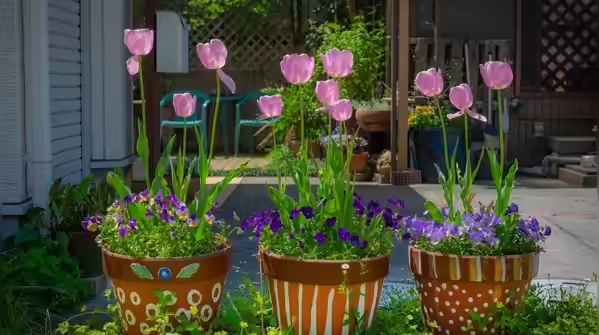

Tulips are one of the most iconic spring flowers, celebrated for their vibrant colors, elegant shapes, and cheerful blooms. While they are often associated with gardens and flower beds, tulips can also thrive in pots, making them perfect for balconies, patios, and small urban spaces. Growing tulips in containers offers the advantage of mobility, better soil control, and the opportunity to enjoy blooms even if you don’t have a traditional garden.
This guide will take you through everything you need to know to successfully grow tulips in pots on your balcony, from choosing the right bulbs to providing care throughout the season.
Why Grow Tulips in Pots?
Growing tulips in pots has several advantages:
- Space-saving: Perfect for apartments and urban balconies where garden beds aren’t available.
- Mobility: Pots can be moved to maximize sunlight or protect from frost.
- Soil control: You can choose well-draining soil that tulips prefer, reducing the risk of root rot.
- Visual impact: Tulips in pots can create colorful displays at eye level, making your balcony feel like a spring oasis.
Step 1: Choosing the Right Tulip Bulbs
Not all tulips are ideal for container growing. When selecting bulbs:
- Choose early- or mid-season varieties: These often adapt better to pot conditions. Examples include Triumph, Darwin Hybrid, or Fosteriana tulips.
- Look for large, firm bulbs: Bigger bulbs produce stronger stems and larger flowers. Avoid soft or damaged bulbs.
- Select bulbs suited for forcing: If you want blooms before outdoor spring, choose varieties labeled for indoor or container forcing.
Remember, tulip bulbs need a period of cold dormancy to bloom successfully, which can be provided naturally or in a refrigerator for pre-chilling.
Step 2: Choosing the Right Pots
Tulips grow best in pots with good drainage, as soggy soil can cause bulb rot. Consider the following:
- Material: Terracotta, ceramic, or plastic pots work well. Terracotta is porous and helps prevent overwatering.
- Size: For a single bulb, a pot at least 6–8 inches deep is ideal. For multiple bulbs, use a wider container to allow space for roots and good airflow.
- Drainage holes: Ensure the pot has adequate holes at the bottom. Excess water should drain freely to prevent rot.
A good pot provides the tulips with stability, drainage, and room to grow.
Step 3: Preparing the Soil
Tulips thrive in well-draining, fertile soil. A good potting mix ensures healthy root development and strong blooms:
- Use a high-quality potting mix, not garden soil.
- Amend with perlite or sand to improve drainage.
- Optionally, mix in a small amount of slow-release bulb fertilizer to provide nutrients for the growing season.
The key is to avoid heavy, water-retentive soil, which can lead to rot and poor flowering.
Step 4: Planting Tulip Bulbs in Pots
When planting bulbs in pots, follow these steps:
- Layer the pot with gravel or small stones at the bottom for extra drainage.
- Place soil about 2–3 inches deep, then position bulbs with the pointed end facing up.
- Space bulbs so they are not touching each other, ideally 1–2 inches apart.
- Cover with soil so the tip is just below the surface.
- Water lightly to settle the soil, but avoid waterlogging.
For a fuller display, you can plant multiple bulbs in one pot, staggering heights and colors for a layered effect.
Step 5: Providing Proper Light and Temperature
Tulips require cool conditions for dormancy and full sun for growth:
- Sunlight: Place pots in a balcony spot with at least 6 hours of direct sunlight daily. Morning sun is ideal.
- Temperature: Tulip bulbs need a cold period (35–48°F / 2–9°C for 12–16 weeks) to bloom properly. If your winters are mild, consider pre-chilling bulbs in a refrigerator before planting.
- Indoor forcing: If your balcony is warmer, plant bulbs indoors first and then move them outside when shoots emerge.
Proper light and temperature ensure strong stems, vibrant petals, and a prolonged flowering period.
Step 6: Watering and Maintenance
Watering is critical for tulip success in pots:
- Keep soil moist but not soggy during active growth.
- Avoid watering directly over foliage to prevent fungal diseases.
- Reduce watering once leaves start yellowing, signaling the end of the flowering season.
Other care tips:
- Remove spent flowers to redirect energy to the bulb for next year.
- Allow foliage to die back naturally; the leaves continue feeding the bulb through photosynthesis.
- Fertilize lightly with liquid fertilizer or slow-release bulb food while leaves are green.
Step 7: Overwintering Tulips in Pots
If you want tulips to bloom again next year, you need to overwinter the bulbs properly:
- After foliage dies back, lift bulbs from the pot, clean off soil, and store in a cool, dry, ventilated place until fall planting.
- Alternatively, leave bulbs in the pot, moving them to a sheltered, cold spot on the balcony or in a garage to mimic natural winter conditions.
- Avoid excessive watering during dormancy; bulbs should be mostly dry until the next growing season.
Overwintering properly ensures strong blooms year after year.
Step 8: Companion Planting for Colorful Displays
You can enhance your balcony display by planting tulips with companion plants:
- Daffodils or crocuses: Extend the bloom period and add contrasting colors.
- Pansies or violas: Add low-growing blooms under taller tulip stems.
- Moss or low-growing ground covers: Keep soil shaded and moist while adding texture.
Companion planting creates a dynamic and visually appealing balcony garden.
Common Problems and How to Avoid Them
- Bulb rot: Caused by poor drainage or overwatering. Ensure pots have holes and use well-draining soil.
- Leggy growth: Usually due to insufficient sunlight. Move pots to a sunnier location.
- Pests: Aphids and slugs can damage leaves. Inspect plants regularly and remove pests manually or use organic solutions.
- Poor flowering: May result from insufficient cold exposure or nutrient deficiency. Pre-chill bulbs and provide a balanced fertilizer.
Monitoring your pots and providing proper care ensures tulips remain healthy and bloom beautifully.
Final Thoughts
Growing tulips in pots on your balcony is a rewarding and achievable gardening project, whether you’re a seasoned gardener or a beginner. By choosing the right bulbs, planting in well-draining soil, providing adequate sunlight, and caring for the plants throughout the season, you can enjoy vibrant tulip blooms in spring without a traditional garden bed.
With attention to watering, fertilization, and proper overwintering, your balcony tulips can return year after year, creating a cheerful and colorful display that brightens your outdoor space. Even in small urban spaces, tulips in pots bring a touch of spring magic to life.