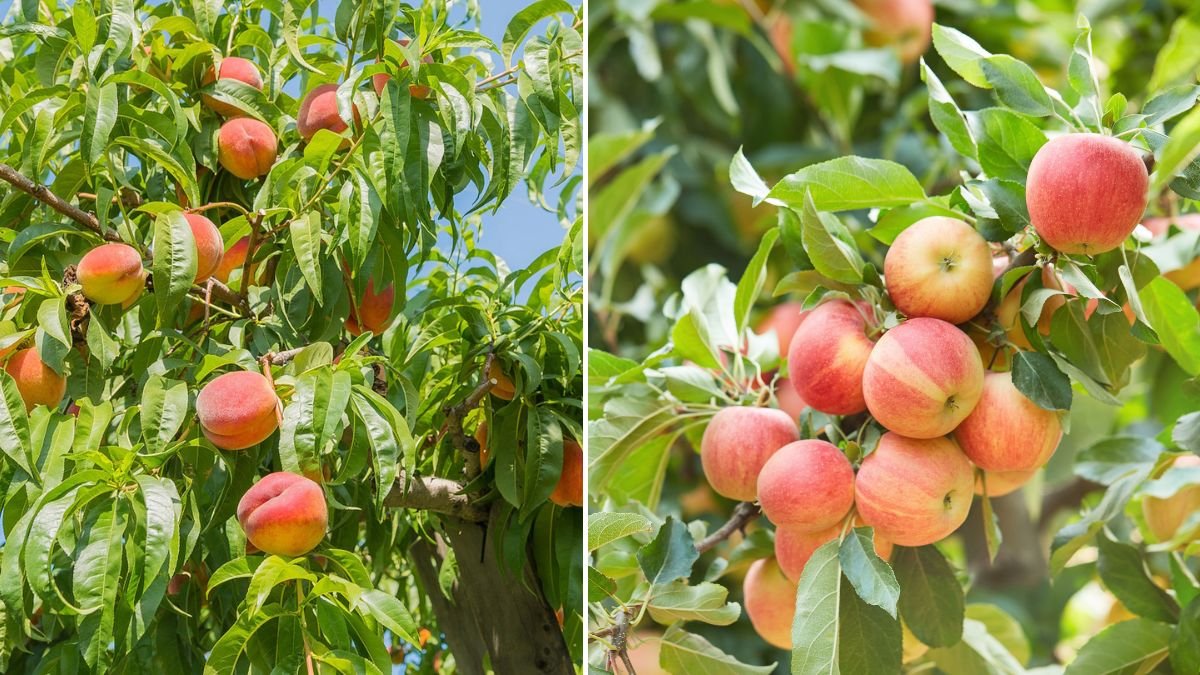

🌱 Background: Why Peach Trees Sometimes Fail to Fruit
Peach trees are beloved for their sweet, juicy fruit, but many gardeners struggle to get them to produce consistently or yield high-quality harvests. Unlike some plants, peach trees have specific requirements to bloom, set fruit, and grow healthy peaches. Missing just one critical factor—like insufficient cold exposure, poor sunlight, irregular watering, or incorrect pruning—can result in flowers that never turn into fruit, tiny or misshapen peaches, or a total crop failure.
Understanding the biology of peach trees and following expert recommendations can help ensure your tree produces a bigger, sweeter harvest. Below are three essential tips endorsed by horticultural experts and supported by recent gardening research.
🍂 1. Ensure Adequate Chill Hours
One of the most common reasons a peach tree fails to fruit is insufficient chill hours—the number of hours a tree experiences cold temperatures during winter. Many peach varieties require a specific amount of chilling to break dormancy, develop flowers, and set fruit properly.
Why chill hours matter:
During fall, peach trees produce hormones that prevent premature bloom. Cold winter temperatures gradually reduce these hormones. Only after the tree accumulates enough chill hours does it transition into active spring growth and flowering. Without sufficient chilling, blooms may fail or develop unevenly, leading to poor fruit set.
Expert tips for chill hours:
- Select a peach variety with chill requirements that match your climate. Some varieties need 600+ hours of temperatures below a certain threshold, while low-chill types thrive in milder winters.
- Avoid frost pockets or microclimates that interfere with consistent winter chilling.
- If your region has warmer winters, opt for low-chill cultivars to ensure flowering and fruiting.
Meeting chill hour requirements is the first step toward healthy blossoms and a fruitful harvest.
☀️ 2. Provide Full Sun and Consistent Watering
Peach trees are sun-loving plants. Adequate sunlight fuels photosynthesis, supports flower bud formation, and ensures developing fruit receives enough energy to grow large and sweet.
Sunlight tips:
- Plant peach trees where they receive 6–8 hours of direct sunlight daily.
- Prune neighboring trees or shrubs that cast shade on the peach tree canopy.
- Maintain an open-center pruning structure to allow sunlight to reach all branches.
Watering tips:
While mature peach trees tolerate some drought, inconsistent watering can cause blossom and fruit drop. During critical growth periods—especially after bloom and throughout fruit development—keep soil evenly moist but well-drained. Deep watering every 7–10 days during dry spells helps fruit develop fully and improves sweetness.
Sunlight and water together ensure the tree has the energy and resources to produce healthy, high-quality peaches.
✂️ 3. Prune and Thin Strategically
Proper pruning and fruit thinning are essential practices for maximizing fruit quality and quantity. These techniques help the tree focus its energy on producing large, sweet peaches instead of many small, underdeveloped ones.
🌿 Pruning for Structure and Sunlight
Pruning creates a balanced, open-center canopy, improving airflow and light penetration. Peach fruit develops on shoots from the previous year, so pruning encourages new, productive growth and reduces overcrowding.
Pruning tips:
- Use an open-center shape to allow sunlight to reach inner branches.
- Remove dead, diseased, or crowded wood to direct energy to productive shoots.
- Prune in late winter or early spring before bud break to minimize stress and reduce disease risk.
Regular pruning not only enhances fruit size and quality but also prevents pests and diseases by improving air circulation.
🍑 Fruit Thinning for Size and Sweetness
Peach trees often set more fruit than they can support. Leaving too many developing peaches on branches results in small, less flavorful fruit. Thinning helps the tree concentrate nutrients on fewer peaches, increasing size and sweetness.
Thinning tips:
- Thin fruit when it reaches the size of a nickel, about 3–4 weeks after bloom.
- Space peaches 6–8 inches apart along branches.
- Remove excess fruit carefully to avoid damaging remaining buds.
Though it may seem counterintuitive, thinning improves the overall quality of the harvest, ensuring your peaches are juicy and flavorful.
🌾 Additional Expert Advice
Beyond chill hours, sun, water, and pruning, experts recommend several other strategies to maximize peach tree fruiting:
🌻 Fertilization:
Balanced fertilization supports both growth and fruit production. Early-season applications of nitrogen-rich fertilizers promote healthy leaf and flower development, while potassium-rich fertilizers later in the season enhance fruit size and sweetness. Organic options like fish emulsion or composted mulch provide nutrients without chemical buildup.
🌬️ Frost and Pest Protection:
Frost can damage flower buds, reducing fruit set. Applying mulch around the base and using protective covers during late spring frosts helps safeguard blooms. Inspect trees for overwintering pests, remove dead wood, and prune affected branches to minimize infestations.
🌱 Location and Spacing:
Peach trees need room for their roots and canopy. Planting trees 12–20 feet apart ensures adequate sunlight, air circulation, and nutrient availability. Proper spacing also reduces disease risks and allows for easier maintenance.
📚 Suggested Authoritative Sources
For more expert guidance on peach tree care, refer to:
- Homes & Gardens – How to Get a Peach Tree to Fruit: Practical advice on bloom, pruning, and harvesting. (homesandgardens.com)
- Missouri Extension – Peach and Nectarine Culture: University-based recommendations on thinning, watering, and orchard management. (extension.missouri.edu)
- Royal Horticultural Society – Growing Peaches: Trusted horticultural practices for pruning and fruit production. (rhs.org.uk)
- Action Home Services – Tips for Bigger Peaches: Expert insights into pruning, fertilization, and harvesting. (actionhomeservices.ca)
🌟 Final Thoughts
A bigger, sweeter peach harvest doesn’t happen by chance. It requires careful attention to chill hours, sun exposure, consistent watering, pruning, and fruit thinning. These strategies allow your tree to focus energy where it matters most—producing healthy, flavorful peaches that rival orchard-grown fruit.
With patience, proper care, and these expert-recommended practices, even backyard gardeners can enjoy abundant, homegrown peaches that are juicy, sweet, and perfectly ripe. By understanding your tree’s natural needs and providing optimal conditions, you can turn your peach tree into a reliable source of delicious fruit year after year.