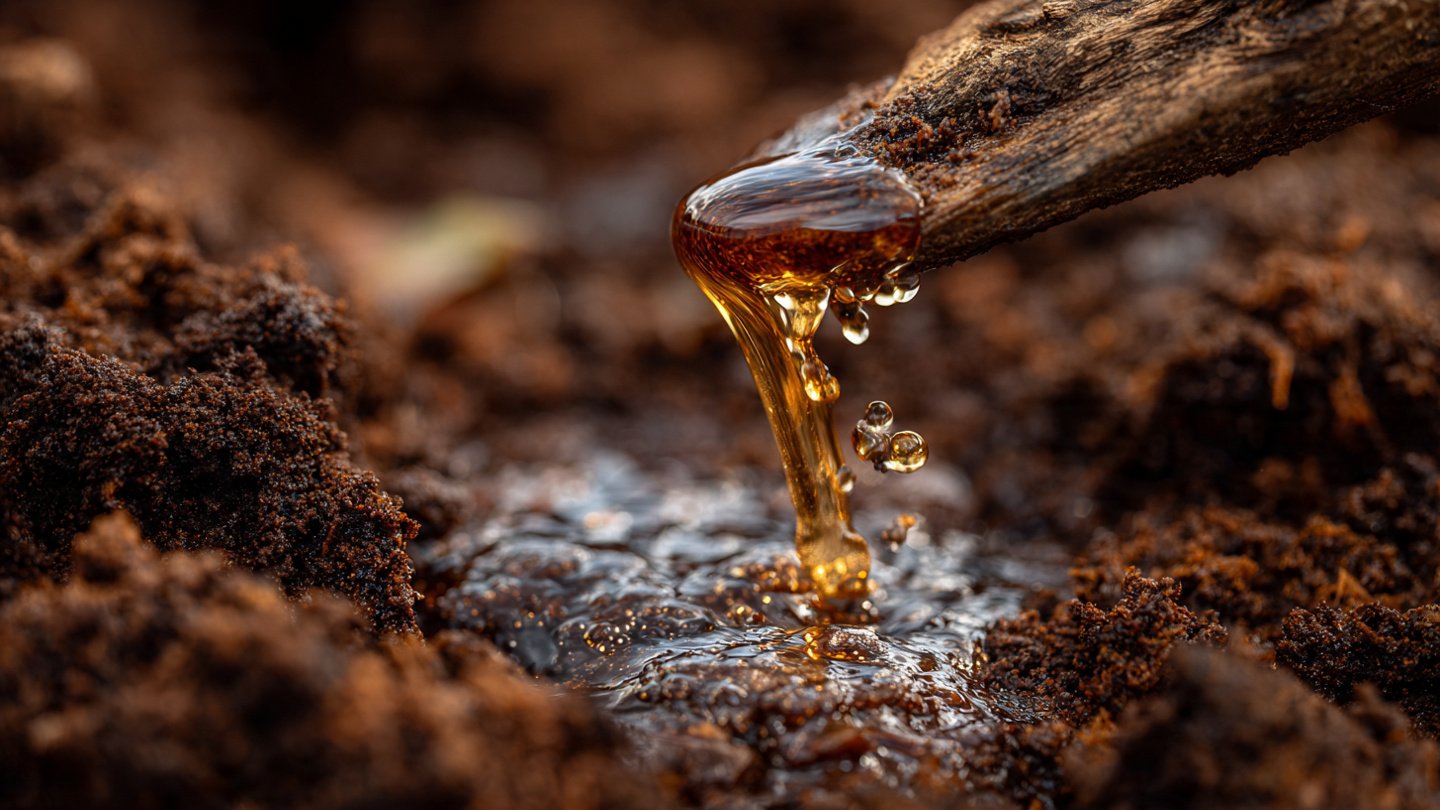

The importance of healthy soil in agricultural productivity cannot be overstated. Soil health is fundamentally intertwined with microbial activity, which plays a critical role in nutrient cycling, organic matter decomposition, and overall soil fertility. One of the most effective ways to enhance soil microbial life is through the application of molasses.
What is Molasses?
Molasses is a byproduct of sugar extraction from sugarcane or sugar beet. It is a thick, dark syrup that is rich in sugar and other nutrients. The primary components of molasses include:
- Carbohydrates: Primarily simple sugars like sucrose, glucose, and fructose.
- Vitamins: Including several B vitamins, which are essential for microbial growth.
- Minerals: Such as calcium, potassium, iron, and magnesium.
The Role of Soil Microbes
Soil is teeming with diverse microbial populations, including bacteria, fungi, and protozoa. These microorganisms are crucial for soil health and can:
- Break down organic matter, releasing nutrients that are vital for plant growth.
- Help in the formation of soil structure, promoting aeration and water retention.
- Compete against pathogens, thereby enhancing plant health.
- Participate in nitrogen fixation, making essential nutrients available for plants.
How Molasses Nourishes Soil Microbes
Applying molasses to soil can dramatically enhance microbial activity. Here’s how:
1. Providing Easily Accessible Carbohydrates
The primary function of molasses in soil is to supply a rich source of carbohydrates. Microbes primarily feed on sugars, and the presence of these readily available carbohydrates in molasses stimulates their growth and replication. This, in turn, enhances the overall microbial population in the soil.
2. Enhancing Nutrient Availability
As microbial populations increase, so does their ability to break down organic matter and release nutrients. The decomposition process involves complex interactions between fungi, bacteria, and organic materials. With molasses acting as a food source, the efficiency of these interactions improves, leading to higher nutrient availability for plants.
3. Stimulating Soil Respiration
Molecular respiration refers to the process through which soil microbes convert organic matter into energy. When molasses is added, microbial respiration increases, which results in higher rates of nutrient cycling. An increase in soil respiration also contributes to a more active and thriving soil ecosystem.
4. Improving Soil Structure
The metabolic activities of microbes foster the formation of soil aggregates. These aggregates improve soil structure, enhancing porosity and creating spaces for air and water movement. Improved soil structure also promotes better root penetration, allowing plants to access nutrients and water more efficiently.
5. Encouraging Beneficial Microorganisms
Molasses not only feeds existing soil microbes but also encourages the proliferation of beneficial microorganisms. For instance, specific strains of bacteria and fungi, which can outcompete plant pathogens, are stimulated by the presence of molasses in the soil, contributing to overall plant health.
The Application of Molasses in Soil
To maximize the benefits of molasses for soil health, it’s essential to apply it correctly:
- Dilution: Molasses should be diluted in water (usually a ratio of 1 cup of molasses to 5 gallons of water) for easy application.
- Timing: The best time to apply molasses is during the growing season when microbial activity is naturally higher.
- Method: It can be applied through a watering can, spray bottle, or as a foliar application, depending on garden size.
Potential Pitfalls
While molasses has many benefits, there are a few precautions to consider:
- Over-application can lead to an excess of sugars, which may create an imbalance in soil microbiomes.
- Always ensure that molasses is well-diluted to avoid attracting pests like ants and rodents.
Conclusion
In conclusion, molasses serves as an invaluable tool for nourishing soil microbes and enhancing their activity. By providing readily available carbohydrates and essential nutrients, it promotes a thriving microbial community, which in turn improves soil health and fertility. When applied appropriately, molasses can lead to increased agricultural productivity and overall ecosystem health. As sustainable agricultural practices continue to gain traction, the use of natural amendments like molasses will undoubtedly play a pivotal role in fostering resilient soils.
FAQs
1. How often should I apply molasses to my soil?
Molasses can be applied every 4-6 weeks during the growing season, but it’s essential to adjust the frequency based on observed microbial activity and soil health.
2. Can I use molasses in combination with other soil amendments?
Yes, molasses can be used alongside compost, fertilizers, and other organic amendments. However, ensure that the other amendments do not counteract the positive effects of molasses.
3. Is molasses safe for all plants?
Yes, molasses is safe for all plants when used properly. It can enhance plant growth and health by improving soil conditions.
4. What types of molasses are best for soil application?
Unsulfured molasses is typically the best choice for soil application as it is free from additives that may harm beneficial microbes.
5. Can I use molasses in container gardening?
Absolutely! Molasses can be beneficial in container gardening by improving the microbial activity in the limited soil volume available.