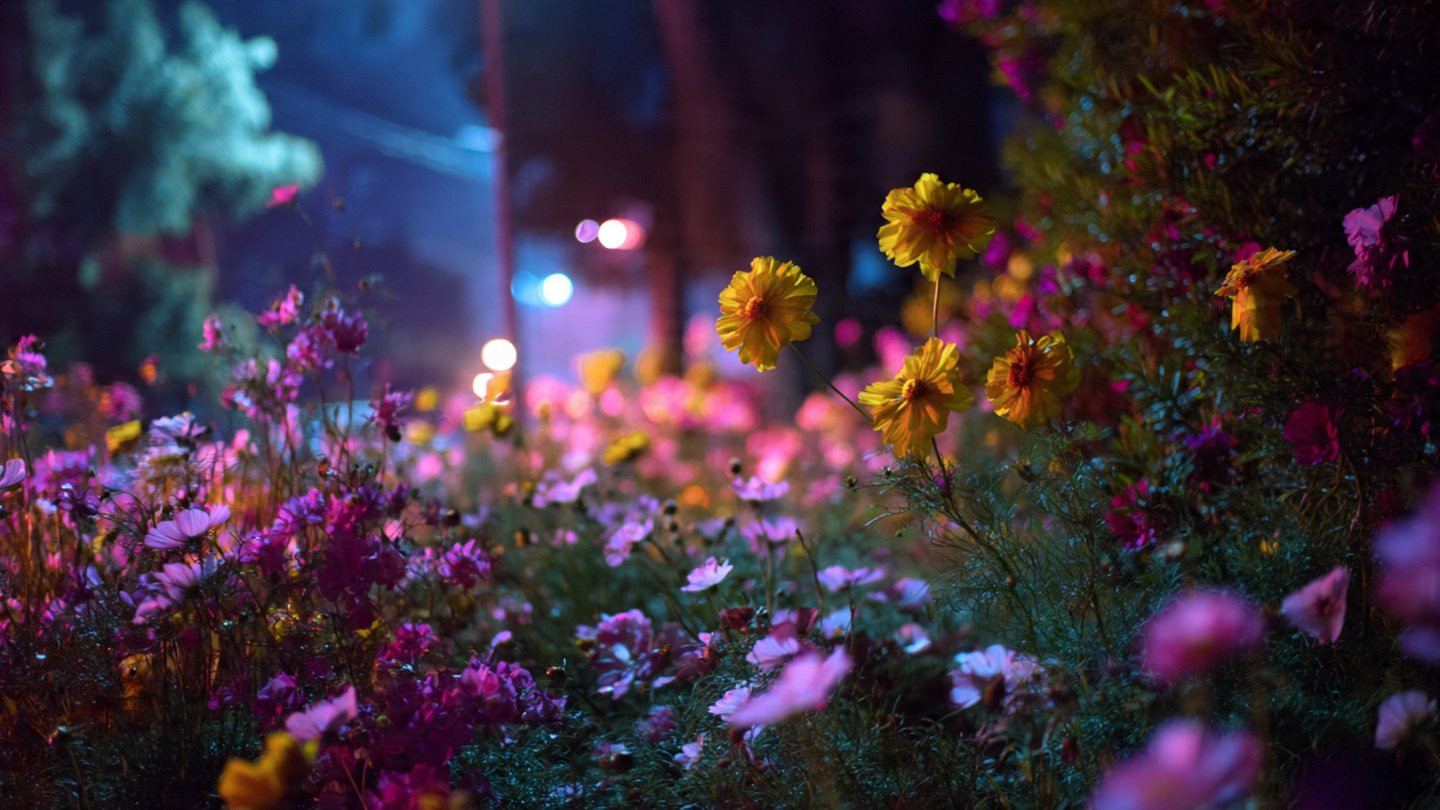

Understanding Light Pollution
Light pollution refers to the excessive and inappropriate artificial light produced by human activities. It is a growing concern in urban areas where streetlights, commercial signs, and illuminated buildings contribute to a night sky that is often more bright than dark. While many people think of light pollution primarily as a nuisance that obstructs stargazing, it can have far-reaching effects on various aspects of the environment, including your flower garden.
The Role of Light in Plant Growth
Sunlight is crucial for plant growth, powering the process of photosynthesis, through which plants convert light energy into chemical energy. This energy facilitates growth, flowering, and overall health. Plants have adapted to the natural rhythm of light and darkness, synchronizing their growth patterns with the changing seasons. Exposure to light influences many aspects of their biology, such as flowering time, stem elongation, and even the release of fragrances.
How Light Pollution Interferes with Plant Life
Light pollution can disrupt these natural processes in numerous ways:
1. Altered Flowering Times
Many plants rely on the natural cues of light and darkness to trigger blooming. For example, short-day plants require longer nights to flower, while long-day plants need extended daylight. Artificial light can confuse these cues, leading to premature blooming. This not only affects the visual appeal of your garden but can also impact pollination and seed production.
2. Impaired Pollination
Light pollution can deter nocturnal pollinators such as moths and certain types of bees. If these important pollinators are less active due to artificial light, reproduction rates for flowering plants may decline, resulting in fewer flowers and failing plants. According to various studies, even small amounts of light can interfere with the nighttime activities of these vital species.
3. Disrupted Ecosystem Dynamics
The ecological balance within a flower garden can also be affected. Many plants have evolved alongside specific animals, creating an interdependent relationship. Disrupting this balance can lead to complications such as the overpopulation of certain pest species that thrive in artificially lit areas, which can produce detrimental effects on floral health.
The Impact on Flower Colors and Fragrance
Light pollution can also influence the color and fragrance of flowers. For some plants, the intensity of light plays a key role in determining the vibrancy of their colors. Studies indicate that plants exposed to excessive artificial light may produce duller pigments. Furthermore, flowers that typically release their fragrance at night may do so less effectively due to the interference of artificial light, thereby affecting their attraction to pollinators.
Preparing Your Flower Garden Against Light Pollution
Understanding the impacts of light pollution is just the first step; taking action to mitigate these effects is essential for the health of your garden. Here are some strategies:
1. Use Plant Selection Wisely
Choose plants that are more tolerant of light pollution. Some species are better equipped to handle the disruption to their natural rhythms. Consult local nurseries or gardening experts for recommendations on suitable plants for your area.
2. Implement Strategic Lighting
If you must use artificial lighting in your garden, consider using fixtures that minimize light spillage. For example, downlighting or motion-sensor lights can help reduce unnecessary illumination during the night. Getting creative with landscaping to shield your garden from extraneous light can also help mitigate the effects of light pollution.
3. Create a Natural Barrier
Planting tall trees or hedges can act as a barrier to artificial light. This can create a microclimate within your garden that allows your flowers to thrive. Natural barriers not only reduce light pollution but also provide habitat for beneficial wildlife.
Conclusion
Light pollution may seem like a minor concern for avid gardeners, but its effects can be profound and far-reaching. From disrupting flowering times to impacting pollination and altering flower characteristics, artificial light affects plants in myriad ways. By taking preventive measures and understanding your garden’s needs, you can help mitigate the adverse effects of light pollution and foster a thriving environment for your flowers. Your garden deserves the chance to flourish under the natural rhythms of day and night.
FAQs
1. What is light pollution?
Light pollution is the excessive and inappropriate artificial light produced by human activities, primarily affecting urban areas.
2. How does light pollution affect flowers?
Light pollution can disrupt flowering times, impair pollination, and alter plant colors and fragrances, negatively impacting their growth and reproduction.
3. Can all plants survive in areas with light pollution?
No, not all plants can tolerate light pollution equally. Some species are more resilient, while others may experience stunted growth or altered blooming timelines.
4. What steps can I take to reduce light pollution in my garden?
You can select light-tolerant plants, strategically use outdoor lighting, and create natural barriers to limit exposure to artificial light.
5. Why is pollination important for flowers?
Pollination is essential for the reproduction of flowering plants, as it facilitates the transfer of pollen from male to female parts, allowing for fruit and seed production.