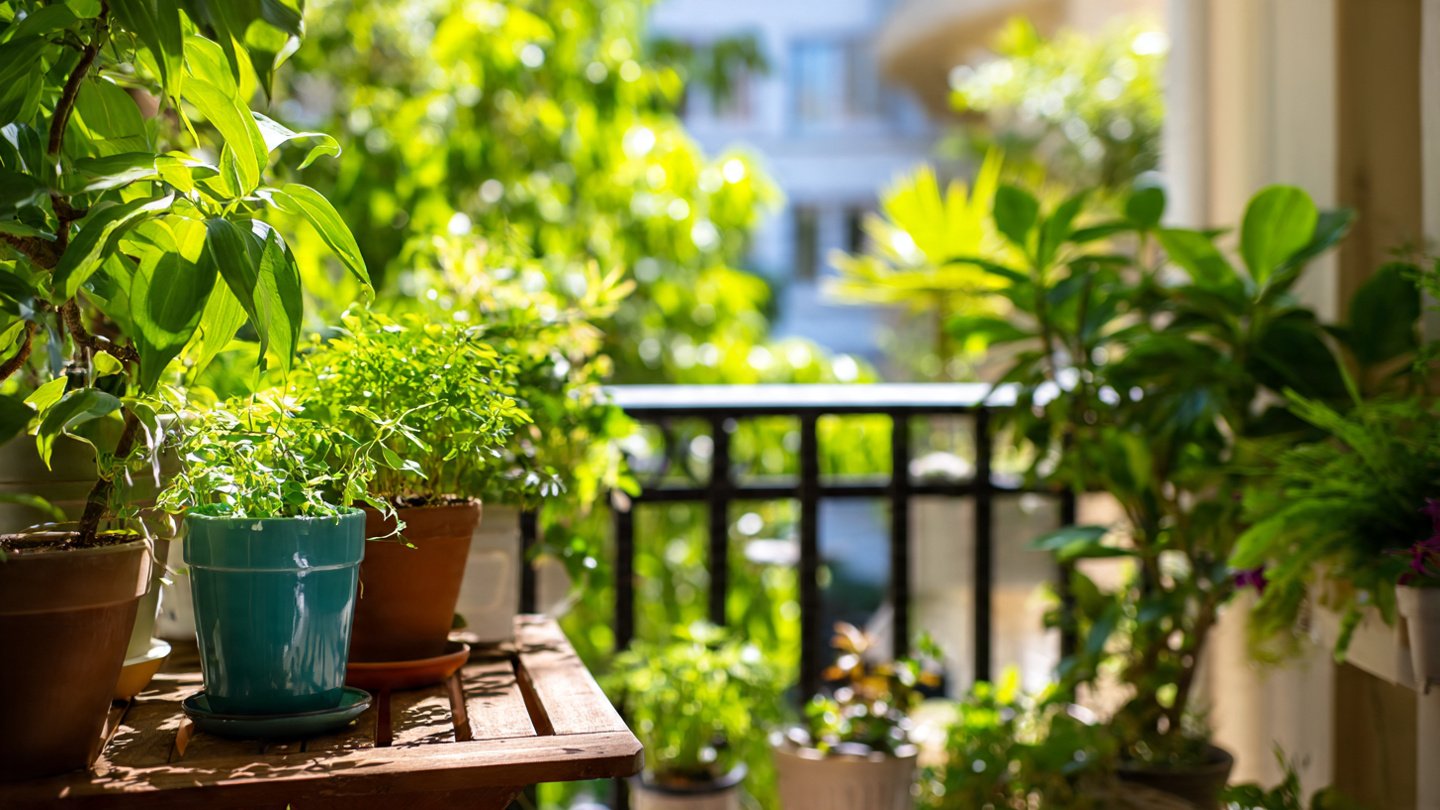

In recent years, gardening has surged in popularity, particularly among urban dwellers who may not have access to traditional garden space. Balcony gardening, in particular, has become a favored method for many looking to reconnect with nature amid concrete jungles. Numerous studies have delved into the psychological, emotional, and physiological benefits of gardening, illuminating its role as a powerful stress reliever. This article explores how balcony gardening can alleviate stress, backed by scientific research.
The Science Behind Nature and Well-Being
Nature’s Influence on Mental Health
Research has consistently shown that exposure to nature can enhance mental well-being. A meta-analysis published in the Journal of Environmental Psychology found that interaction with natural environments significantly reduces stress and enhances mood. Urban areas, known for their busy lifestyles and lack of green spaces, can contribute to feelings of anxiety and depression. Balcony gardening offers a unique solution by providing a personal green sanctuary where individuals can engage with nature.
Biophilia Hypothesis
The biophilia hypothesis, proposed by Edward O. Wilson, suggests that humans have an innate connection to nature. This bond is believed to have evolved from our need for survival, facilitating health and well-being. Balcony gardening embodies this connection, allowing individuals to cultivate a piece of nature right outside their homes. This interaction can foster a sense of belonging and fulfillment, leading to reduced stress levels.
Psychological Benefits of Gardening
Mindfulness and Presence
Gardening promotes mindfulness—being present and fully engaged in the moment. The act of planting seeds, watering plants, or weeding requires attention and focus, diverting thoughts from stressors and anxieties. According to a study in the Journal of Health Psychology, engaging in mindful activities can significantly reduce cortisol levels, the hormone associated with stress.
Sense of Accomplishment
Growing plants can instill a sense of accomplishment and purpose. As individuals nurture their plants and witness their growth, they experience gratification that helps counter feelings of inadequacy and helplessness. This sense of achievement is crucial for mental well-being, providing a psychological uplift that can mitigate stress.
Social Connections
Balcony gardening can also be a social activity. Community gardens or shared gardening spaces can foster relationships and connections among participants. Social interactions are vital for emotional health; they provide support, companionship, and a sense of community. According to a study published in the Journal of Community Psychology, social relationships significantly correlate with reduced stress and enhanced mental well-being.
Physiological Benefits of Gardening
Physical Activity
Gardening is inherently a physical activity, promoting movement and exercise. Engaging in physical activity stimulates the release of endorphins, often referred to as “feel-good” hormones. A study published in the American Journal of Preventive Medicine highlights that gardening can serve as a moderate-intensity exercise, leading to improved overall health. Regular physical activity has been shown to reduce symptoms of anxiety and depression.
Exposure to Sunlight
Spending time outdoors in sunlight can boost mood. Sunlight facilitates the production of serotonin, a neurotransmitter linked to feelings of happiness and well-being. Vitamin D, produced through skin exposure to sunlight, plays a critical role in maintaining mental health. A study released by the National Institutes of Health found a strong correlation between vitamin D deficiency and mood disorders. Balcony gardeners who spend time tending to their plants benefit not only from the activity itself but also from the natural light exposure.
Soil Microbiomes and Mental Health
Recent research has uncovered fascinating links between soil microbes and mental health. Mycobacterium vaccae, a bacterium found in soil, has been shown to activate neurons that produce serotonin when inhaled or ingested, effectively improving mood and reducing anxiety. A study in the journal Neuroscience suggested that exposure to soil may potentially have antidepressant effects. Gardening, therefore, offers a unique way to interact with these beneficial microbes, enhancing psychological well-being.
Stress Reduction Techniques Through Gardening
Creating a Personal Sanctuary
Transforming a balcony into a personal garden space can be therapeutic. The act of designing and nurturing this environment allows individuals to create a secluded haven where they can escape from daily stressors. This personalized space can serve as a retreat that fosters relaxation and calm.
Therapeutic Hobbies
For many, gardening becomes a therapeutic hobby that provides an outlet for creativity and expression. Planning the layout of a garden, selecting plants, and finding ways to design the space can engage the mind positively. A study conducted by researchers at the University of California revealed that engaging in hobbies, like gardening, is linked to reduced stress and higher levels of happiness.
Seasonal Changes
The cyclical nature of gardening mirrors life’s phases, providing individuals with a tangible connection to time and change. Witnessing the seasonal changes in plants can encourage mindfulness and acceptance—an important aspect of reducing stress. Understanding that both plants and people undergo cycles of growth, decay, and renewal can provide comfort and perspective.
Gardening for Children and Families
Engaging Children
Balcony gardening can also serve as an educational tool for families, particularly for children. Involving children in gardening activities teaches them responsibility and care for living things. Moreover, studies indicate that children exposed to nature tend to have lower levels of stress and anxiety, better emotional regulation, and enhanced social skills. Gardening provides an opportunity for families to bond, creating shared experiences that can alleviate stress.
Promoting Healthy Habits
Establishing a gardening routine can lead to healthier lifestyle choices within families. As families grow fruits and vegetables, they become more inclined to consume them, thereby improving overall nutritional habits. Healthier eating patterns contribute to better mental health, as nutrition is closely linked to mood regulation.
Practical Tips for Balcony Gardening
Start Small
For those new to gardening, starting with a few easy-to-maintain plants, such as herbs or succulents, can be a great introduction. Small successes can build confidence and increase enjoyment in gardening.
Incorporate Variety
Incorporate a variety of plants to enjoy different colors, textures, and scents. Each plant can contribute unique mental health benefits, from flowering plants that brighten the space to fragrant herbs that may act as natural stress reducers.
Introduce Decorative Elements
Enhancing the balcony with comfortable seating, decorative pots, and fairy lights can create a cozy atmosphere, encouraging relaxation and enjoyment of the space.
Schedule Regular Gardening Time
Making gardening a regular part of your routine can improve mental health. Creating a schedule helps individuals carve out time for self-care, reinforcing the importance of relaxation and stress management.
Conclusion
Balcony gardening emerges as a multifaceted approach to stress reduction, illustrating the profound connection between nature and mental well-being. As urban environments become increasingly dominated by technology and concrete structures, finding ways to integrate natural elements into daily life is more crucial than ever. Through gardening, individuals not only cultivate plants but also nurture their mental health, creativity, and sense of community.
The psychological and physiological benefits grounded in scientific research underscore the significance of this activity. From enhancing mindfulness and fostering social connections to promoting physical health and creating personal sanctuaries, balcony gardening offers a holistic remedy for stress. As individuals embrace this practice, they weave nature into the fabric of their lives, unlocking a pathway to tranquility amid the chaos of urban living. So grab a pot, some soil, and your favorite seeds, and indulge in the therapeutic joys of balcony gardening—your mental health will thank you for it.