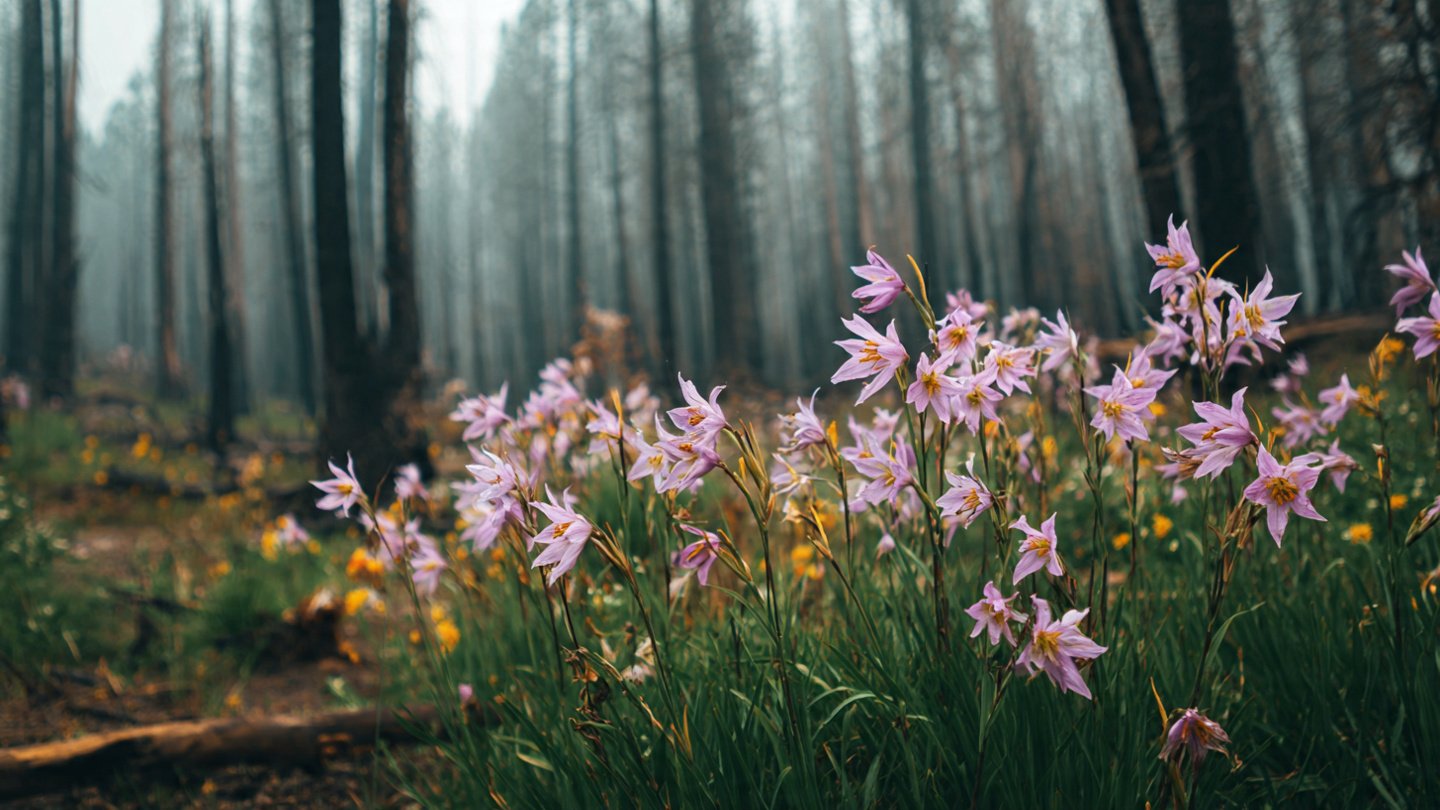

Forest fires are often perceived as catastrophic events that decimate ecosystems. However, they also play a crucial role in the natural cycle of rejuvenation. Surprisingly, flowers and various plant species exhibit remarkable resilience and adaptation following these fires. Understanding the mechanisms behind this phenomenon offers insight into the intricate web of life sustained by these natural occurrences.
The Role of Fire in Ecosystems
Fire serves multiple functions in forest ecosystems. While it can destroy vegetation, it also prepares the ground for new growth. Here are some of the specific benefits:
- Nutrient Recycling: Fire helps return nutrients to the soil. As vegetation burns, carbon and other essential nutrients are released, enriching the soil and making it more fertile for new plant growth.
- Seed Germination: Some plant species have adapted to rely on fires to stimulate seed germination. The heat from the fire or the chemicals released during combustion can trigger the seeds to sprout.
- Reduced Competition: Fires clear out dense underbrush and competing plant species, allowing for easier access to sunlight, water, and nutrients for new plants and flowers.
- Habitat Creation: The aftermath of a fire creates a change in landscape that can lead to diversification of plant life, offering new habitats for various species.
Adaptations of Flowers and Plants
Plants have developed a variety of adaptations that enable them to survive and thrive after a forest fire:
1. Fire-Responsive Seeds
Many species, such as certain types of pines (e.g., lodgepole pine), produce seeds that require exposure to fire in order to germinate. These seeds have hard, resinous coatings that can withstand high temperatures, remaining dormant until conditions are favorable.
2. Sprouting from the Roots
Some plants, like certain wildflowers and shrubs, possess roots or rhizomes that survive fire. After the flames pass, these roots can sprout new shoots, quickly re-establishing plant life.
3. Fire-Clearing Mechanisms
Many flowers have evolved mechanisms to clear the way for new growth. For instance, their seeds may be released in response to the intense heat or smoke of a fire, ensuring they colonize the newly available space.
4. Chemical Adaptations
Certain species produce chemicals that can promote growth or inhibit the germination of competing plants. This enables them to thrive in the nutrient-rich, post-fire environment without much competition.
The Flowering Process After a Fire
Following a forest fire, the ground is often barren and ashy, but with time, it transforms dramatically:
1. Initial Recovery Phase
Immediately after a fire, the landscape may seem lifeless. However, within days, opportunistic species begin to emerge. Fast-growing, hardy plants pave the way for more delicate flowers in subsequent seasons.
2. Pioneer Species
Pioneer species, such as fireweed, are among the first to bloom in the wake of a fire. They are specialized to thrive in disturbed soils, establishing a foothold for future flora.
3. Soil Enrichment
As the first flowers bloom and die, they contribute organic matter back to the soil. This promotes microbial activity and sets the stage for more complex plant communities to establish themselves.
4. Increasing Biodiversity
As years pass, biodiversity increases. Grasses, shrubs, and trees gradually return, each contributing to a richer ecosystem. More flower species can be seen weaving through the landscape, showcasing nature’s resilience.
Case Studies of Flower Resilience
Several real-world examples illustrate how flowers and plants have thrived after catastrophic forest fires:
1. The 1988 Yellowstone Fire
The Yellowstone National Park fire in 1988 burned over 1 million acres of land. Within a few years, wildflowers like fireweed and lupine flourished. The recovery was not only rapid but resulted in a more diverse ecosystem than before the fire.
2. Australian Bushfires
In Australia, many native flowers have adapted to fire. Species such as the Casuarina tree and various eucalyptus types use fire for germination, leading to forests of vibrant colors and diverse life following seasonal fires.
Challenges in the Recovery Process
Despite their resilience, post-fire recovery is not always straightforward:
- Invasive Species: After a fire, invasive species can rapidly establish themselves, competing for resources and hindering the recovery of native flowers.
- Climate Change: Increased frequency and intensity of fires due to climate change can disrupt natural recovery cycles and threaten plant survival.
- Soil Erosion: Without vegetation, soil may become loose and prone to erosion, which can affect the quality of the land and limit regrowth.
Conclusion
Flowers have an incredible ability to thrive in the aftermath of forest fires, thanks to a series of evolutionary adaptations. While fires can devastate ecosystems, they also provide a catalyst for regeneration and rebirth in nature. The remarkable transition from destruction to bloom exemplifies resilience and adaptability in the natural world. Through understanding these processes, we can appreciate the intricate balance of ecosystems and the vital role of fire in promoting biodiversity.
FAQs
1. How soon can flowers bloom after a forest fire?
Some flowers can begin to bloom as early as a few weeks after a fire, especially pioneer species that are adapted to quickly colonize disturbed areas.
2. Do all plants benefit from forest fires?
No, not all plants benefit. While many have adapted to thrive post-fire, some more sensitive species can be negatively impacted and may struggle to survive.
3. Are there any long-term impacts of forest fires on flower populations?
Yes, while many flower species thrive post-fire, repeated intense fires can disrupt ecosystems and lead to a decline in plant diversity over time.
4. How do wildfires affect the overall ecosystem?
Wildfires can significantly impact ecosystems by clearing old growth, enriching the soil with nutrients, and promoting the growth of diverse plant species, ultimately contributing to a healthier ecosystem.
5. Can human actions affect the recovery of flowers after a fire?
Absolutely. Factors such as land management practices, preventing invasive species from taking hold, and preserving the natural environment can all significantly influence recovery.