
Introduction
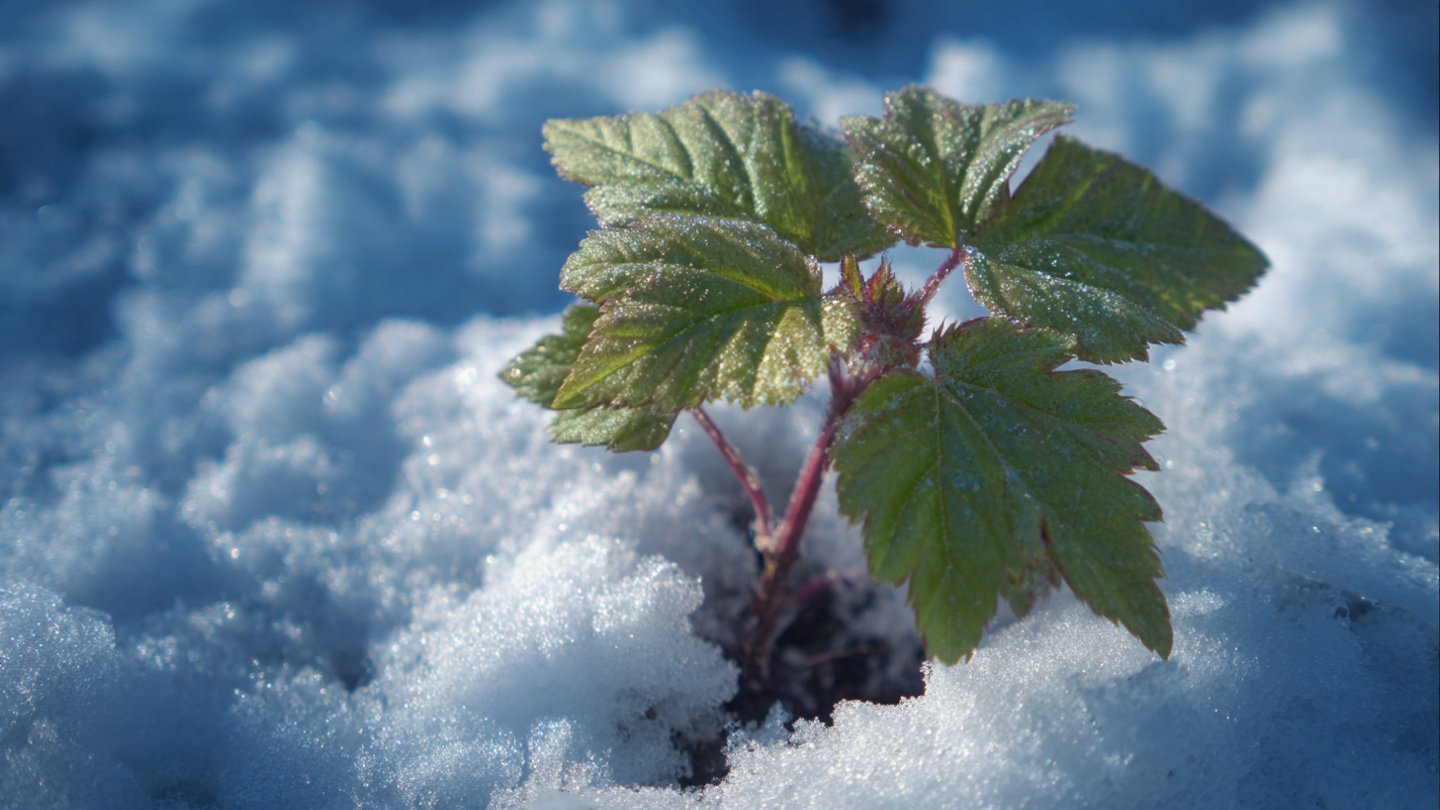
Winter is often considered an inhospitable time for many plants, a season characterized by cold temperatures, reduced sunlight, and harsh weather conditions. However, certain plant cuttings have evolved remarkable strategies to survive and even thrive in these challenging circumstances. Understanding these strategies can help gardeners and plant enthusiasts expand their knowledge and improve their cultivation practices during winter months.
The Science of Plant Cuttings
Cuttings are parts of plants, typically stems, leaves, or roots, that have been severed from the parent plant and are capable of developing into new, independent plants. The process of propagation through cuttings is an ancient horticultural technique that has gained popularity among gardeners seeking to reproduce their favorite plants.
Types of Cuttings
There are several types of cuttings, each with its own unique properties:
- Stem Cuttings: These are the most common type of cuttings and involve cutting a portion of a stem, which may or may not include leaves, to propagate a new plant.
- Leaf Cuttings: In this method, a whole leaf or a piece of a leaf is used to grow roots and eventually become a new plant.
- Root Cuttings: This involves taking sections of the root from a plant, which can then sprout new growth.
How Cuttings Adapt to Winter Conditions
Despite the inhospitable environment that winter presents, some cuttings manage to endure. Here is how they adapt:
1. Dormancy
Many plants enter a state of dormancy during the winter months. Dormancy is a natural survival mechanism where metabolic activity slows down significantly. This allows the plants to conserve energy and maintain essential functions. In cuttings, this means they may not grow visibly during the cold months, but they can survive until conditions improve.
2. Minimal Water Needs
During winter, the reduced light and colder temperatures lead to diminished photosynthesis, resulting in lower water requirements for plant cuttings. They may survive with less moisture, as the cooler temperatures slow evaporation rates and metabolic processes that usually consume water during the growing season.
3. Root Development
Although top growth may be dormant, root systems can continue to develop underground, particularly in insulated environments such as greenhouses. Roots are generally more resilient to cold temperatures. Cuttings that adapt to the winter through proper care—like maintaining a consistent moisture level and providing warmth—can establish strong root systems to support future growth.
Helping Cuttings Thrive in Winter
To ensure that your cuttings survive and thrive during the winter months, consider the following best practices:
1. Choosing the Right Environment
Place cuttings in a well-lit area, but avoid direct sunlight, which can cause overheating. A south-facing window or a greenhouse can provide the necessary warmth and light without the stress of extreme cold.
2. Maintaining Humidity
Indoor air can become exceptionally dry during winter due to heating systems. To maintain humidity, consider placing a humidity dome over your cuttings or using a spray bottle to mist them regularly. This can help maintain the moisture balance necessary for root development.
3. Proper Watering Techniques
Overwatering can lead to root rot, especially in winter when water needs are lower. Ensure that cuttings are in well-draining soil and only water when the top layer feels dry. A moisture meter can be a helpful tool in managing soil moisture levels.
4. Temperature Management
Keep cuttings in a controlled environment where temperatures are stable and ideally above freezing. A heat mat beneath pots can provide gentle warmth, promoting root growth without subjecting the cuttings to extreme heat.
Conclusion
While winter poses challenges to many forms of plant life, the resilience of cuttings showcases their adaptability. By understanding their natural processes and providing appropriate care, gardeners can successfully cultivate cuttings even in the cold, harsh conditions of winter. This not only helps sustain personal gardening hobbies but also supports biodiversity and plant propagation as an essential ecological practice.
FAQs
1. Can all types of cuttings survive winter?
No, not all cuttings can survive. Factors such as plant species, local climate, and care techniques play significant roles in their success during winter.
2. What is the best time to take cuttings for winter propagation?
The best time to take cuttings is during late summer or early fall. This timing allows the cuttings to root before winter’s arrival.
3. How often should I water my cuttings in winter?
Watering frequency will depend on environmental conditions. Generally, cuttings require less water in winter, so check the top layer of soil and only water when it’s dry to the touch.
4. Is it necessary to use rooting hormone for winter cuttings?
Using rooting hormone can help improve the chances of successful rooting, especially in more challenging conditions. However, many cuttings can root successfully without it.
5. Are there specific varieties of plants that thrive better as cuttings in winter?
Softwood and semi-hardwood cuttings from certain shrubs and houseplants, such as coleus or pothos, tend to root well even in winter conditions.