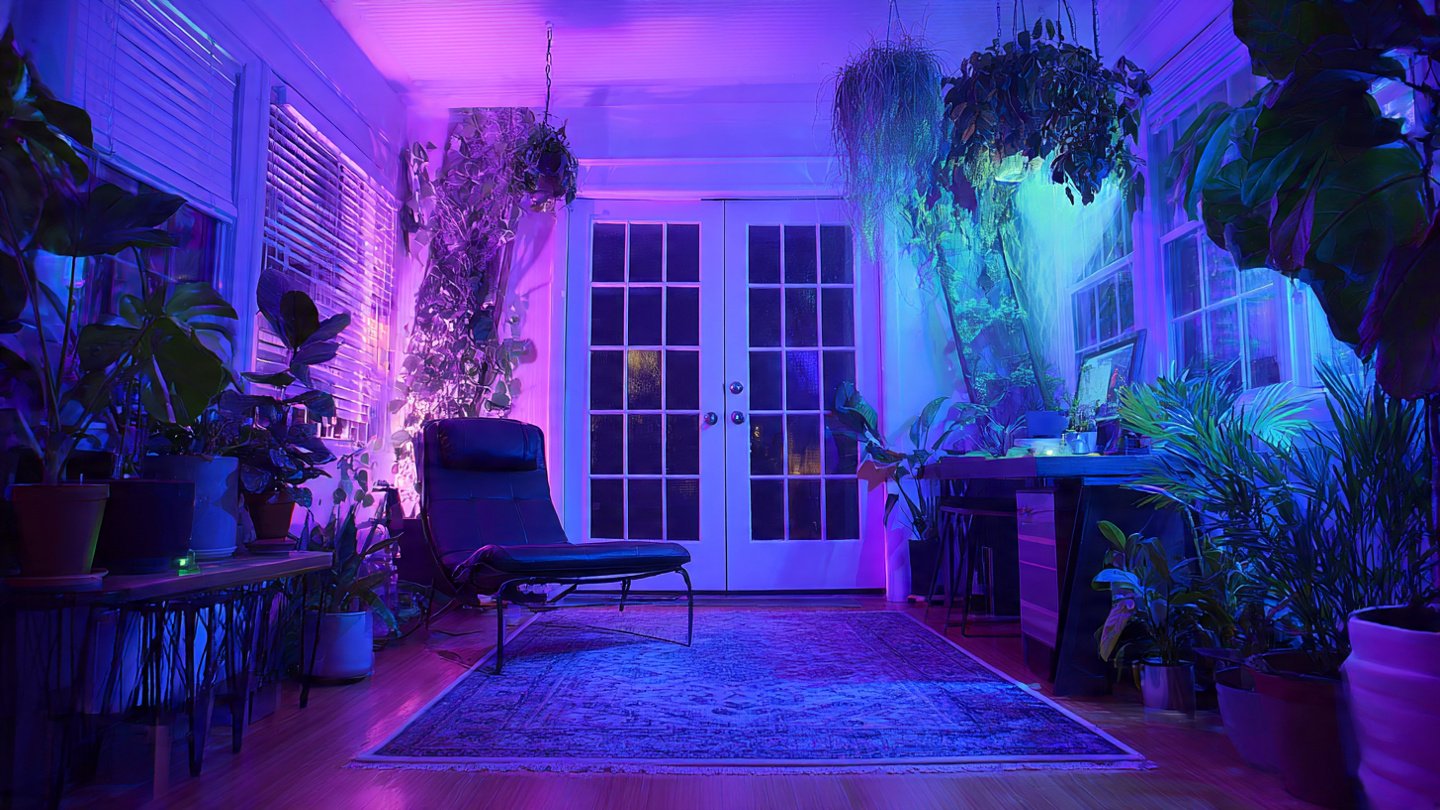

Grow lights are widely recognized for their utility in supporting plant growth indoors. However, these artificial lighting systems can also be artfully integrated into your home décor to enhance aesthetic appeal. This article delves into strategies for using grow lights in a way that boosts your home’s interior design without evoking a sterile, lab-like atmosphere.
The Aesthetic Benefits of Grow Lights
Integrating grow lights into your home offers several aesthetic benefits:
- Highlighting Plant Life: Properly positioned grow lights can accentuate the natural beauty of your indoor plants, creating a vibrant focal point in any room.
- Creating a Cozy Ambiance: Warm-toned grow lights can produce a welcoming glow that bathes the room in soothing light.
- Artistic Lighting Designs: Grow lights can be arranged in creative configurations, adding an artistic flair to the overall design.
Choosing the Right Grow Lights
The first step towards avoiding a lab-like feel is to select the right type of grow lights. Here are the primary types of grow lights available:
1. LED Grow Lights
LED grow lights are energy-efficient and come in various color temperatures. They can mimic natural sunlight while providing the necessary light spectrum for plants. Choose warm white LEDs for a cozy atmosphere, steering clear of overly bright, harsh lights.
2. Fluorescent Grow Lights
Fluorescent lights are a great option for areas requiring less intense lighting. They come in a tube format and can be integrated into fixtures resembling traditional lighting. These lights work well in areas where you want a gentle ambiance.
3. Halogen Grow Lights
Halogen lights emit a warm light, ideal for creating an inviting environment. Their aesthetic appeal comes from the natural, sunlight-like quality they provide, which can illuminate your plants beautifully.
Design Strategies for Using Grow Lights
To incorporate grow lights into your interior design effectively, consider the following strategies:
1. Use Diffuser Covers
Adding diffuser covers to your grow lights can soften the illumination and reduce harsh shadows. This is a simple trick to enhance the light quality and ambiance, creating a more organic feel in your space.
2. Choose the Right Color Temperature
Pick color temperatures that complement your existing décor. For warmer interiors, opt for lights in the 2700K to 3000K range. Conversely, cooler temperatures between 4000K and 5000K work well in contemporary spaces. A balanced color temperature can merge natural and artificial lighting seamlessly.
3. Incorporate Adjustable Lighting
Adjustable grow lights allow you to change the intensity and direction of the light. Dimmable options let you create varying atmospheres throughout the day, enhancing the flexibility of your space.
4. Integrate Creative Light Fixtures
Instead of traditional grow lights, use creative fixtures that house the grow lights. For example, pendant lamps with grow bulbs can add elegance while ensuring your plants receive adequate light.
5. Create a Plant Corner
Designate a specific area in your home as a plant nook. Use shelves, tables, or hanging planters and strategically place grow lights above them. This focused attention will not only showcase your plants but will also provide a serene and comforting vibe.
Maintaining a Homey Feel
While grow lights can offer strong illumination, maintaining a warm, homey feel involves careful planning. Here are some tips:
1. Layer Your Lighting
Combine your grow lights with ambient and task lighting to create a layered effect. Use floor lamps, wall sconces, and table lamps to generate a cozy glow that balances the brighter light emitted by grow lights.
2. Use Plants Strategically
The placement and types of plants you choose can significantly impact the feel of your space. Opt for lush, oversized plants like fiddle leaf figs or snake plants that can act as natural dividers, breaking up the starkness of grow lights.
3. Choose the Right Grow Light Placement
Position grow lights where they will provide indirect lighting. Overhead lights can sometimes create a spotlight effect, making the space feel clinical. Instead, place them on shelves or in corners to create a soft, unobtrusive glow.
4. Decorate with Nature
Surround your grow lights with natural elements such as wood, stone, or other organic materials. This can help diffuse the clinical appearance of grow lights and anchor them within a more natural and decorative context.
Conclusion
Utilizing grow lights to enhance your home’s aesthetic can be both practical and visually appealing. With the right selection of type, placement, and accompanying decorative elements, you can cultivate a space that beautifully showcases your greenery without overwhelming your home with a sterile, lab-like atmosphere. By balancing light, materials, and design, your indoor garden can thrive as a central feature of your home, radiating warmth and vitality.
FAQs
1. Can I use grow lights for all types of indoor plants?
Yes, grow lights can be used for a wide variety of indoor plants, including flowers, herbs, and vegetables. However, it’s essential to choose the right light spectrum for specific plant types.
2. Are grow lights energy-efficient?
p>LED grow lights, in particular, are highly energy-efficient and consume less electricity than traditional lighting. They provide more light while producing less heat, making them a practical choice for indoor gardening.
3. How long should I keep grow lights on each day?
The amount of time grow lights should be on varies by plant type. Generally, most plants thrive with 12 to 16 hours of light per day. It’s best to research specific light requirements for your plants.
4. How can I ensure my grow lights don’t make my home feel sterile?
Choose warm-toned lights, incorporate creative light fixtures, use diffuser covers, and integrate ambient lighting to create a balanced atmosphere that avoids a lab-like feel.
5. What are some decorative ways to use grow lights?
Consider hanging lights, wall-mounted fixtures, or built-in shelving with integrated lighting. You can also use grow lights in creative installations to illuminate groupings of plants.