
Introduction
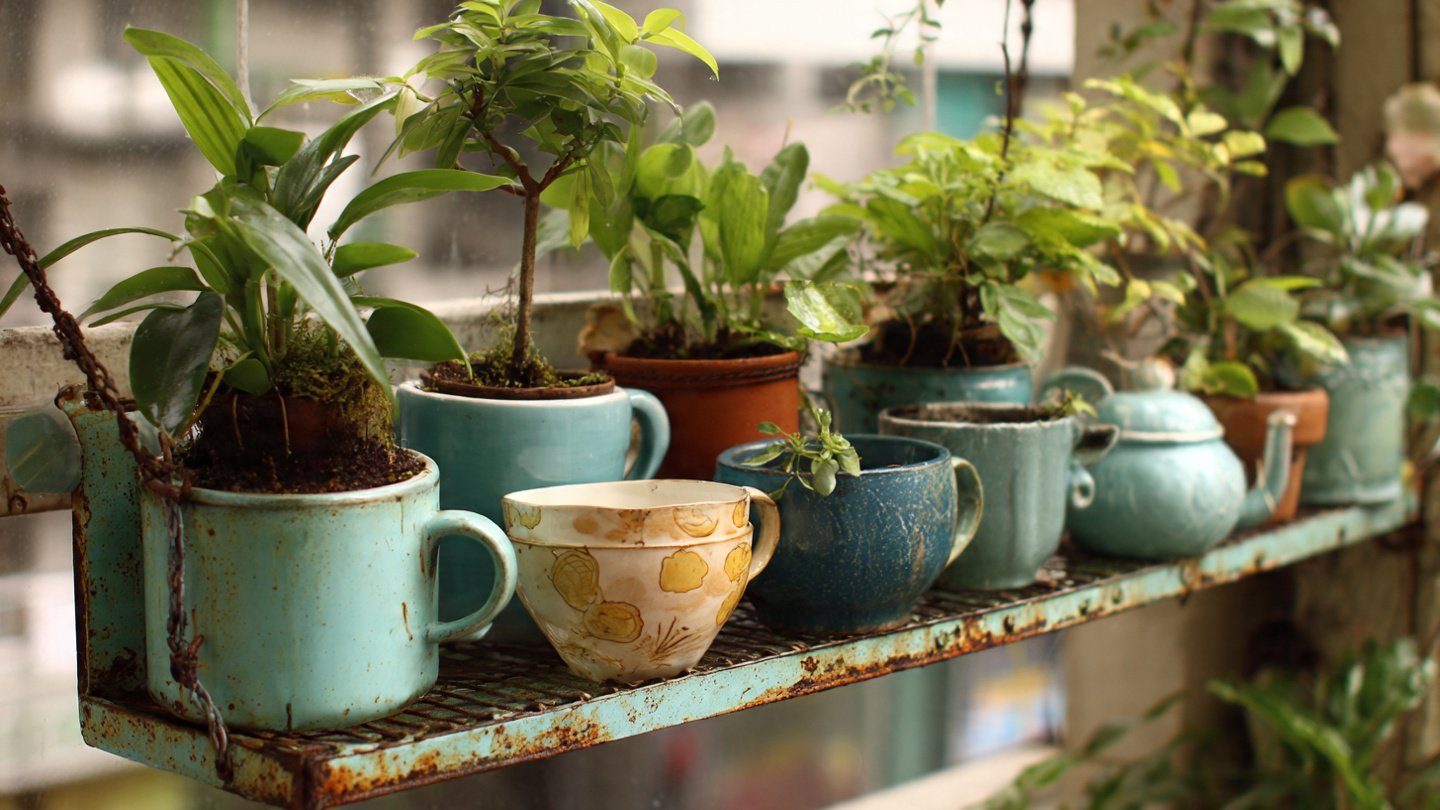
Creating a vibrant balcony garden doesn’t necessarily require expensive planters or new pots; with a bit of creativity, you can repurpose old kitchenware into unique and eye-catching planters. This not only helps you save money but also contributes to environmental sustainability by reducing waste. In this article, we will explore various types of kitchenware you can transform, the plants best suited for them, and the techniques for turning them into charming balcony planters.
Why Use Kitchenware for Planting?
Repurposing kitchenware as planters offers several advantages:
- Economical: Using what you already have reduces expenses associated with buying new gardening supplies.
- Unique Aesthetics: Vintage kitchenware can add character to your balcony, creating a whimsical and eclectic garden environment.
- Environmental Impact: Upcycling old items helps to minimize landfill waste and promotes a sustainable lifestyle.
- Personal Touch: Each item has a story. Turning your old crockery into planters gives your outdoor space a personal touch.
Choosing the Right Kitchenware
Before diving into the transformation process, it’s essential to select the right kitchenware to work with. Here are some popular options:
1. Teapots
Teapots are often ornate and colorfully designed, making them ideal for creating eye-catching planters. To convert a teapot into a planter:
- Drill Drainage Holes: Use a drill to make a couple of holes in the bottom to prevent water accumulation.
- Choose Small Plants: Opt for small, low-maintenance plants like succulents or small flowering plants that can thrive in limited soil space.
2. Mugs and Cups
Old mugs and cups can serve as delightful mini planters:
- Drainage Considerations: Check if your mugs have holes. If not, drill a small hole in the bottom or use them as decorative outer pots for other planters.
- Ideal Plants: Consider herbs such as basil, rosemary, or even small flowers, which will thrive in these cozy settings.
3. Colanders
Metal or plastic colanders make excellent planters due to their natural drainage:
- Fill with Soil: Add soil and plant your selection right in the colander, allowing excess water to escape freely.
- Hang Them Up: Colanders can easily be hung for a vertical garden effect, giving your balcony a fresh look.
4. Pots and Bowls
Old pots or mixing bowls are versatile choices:
- Functionality: Make holes in the base for drainage and use these as primary planters.
- Planter Arrangement: Group various sizes together for layered planting. Large bowls can accommodate larger plants or clusters of smaller plants.
5. Baking Tins
Cake pans, muffin trays, and loaf tins can add a creative flair to your garden:
- Drainage Solution: Make holes in the bottom. For baking trays, group them together and plant various herbs or flowers in each section.
- Design: Line these tins with decorative moss or stones to enhance visual appeal and trap some moisture.
Preparing Your Kitchenware Planters
Once you have selected your kitchenware, it’s time to prepare them for planting:
Cleaning
Thoroughly clean the items to remove food residues and grease. Soaking them in soapy water for a while will help in easy cleaning. Rinse thoroughly and let them dry completely.
Drilling Holes
For most planters, adequate drainage is crucial:
- Tools Required: Use a drill and drill bit suitable for the material (ceramic, metal, plastic).
- Spacing: Make several small holes in the bottom, spaced adequately to allow water to escape without compromising the structure.
Painting and Decorating (Optional)
If you want to add a splash of color or want to match with your balcony décor, you can:
- Use Spray Paint: Choose non-toxic, outdoor-friendly spray paints for a smooth finish.
- Decoupage: Add decorative paper, fabric, or images using decoupage medium for a customized look.
Selecting Plants
When selecting plants for your kitchenware planters, consider the size and type of the planter, as well as the amount of sunlight your balcony receives.
Succulents and Cacti
Perfect for small planters and easy to care for, succulents thrive in warm, sunny conditions. A small kettle or mug can serve as an attractive display for a cluster of colorful succulents.
Herbs
Mugs and smaller pots are great for indoor herb gardens. Consider planting:
- Basil
- Chives
- Mint
- Thyme
These herbs are not only useful in the kitchen but also thrive in smaller pots.
Flowers
Consider planting small flowering plants like:
- Pansies
- Petunias
- Marigolds
These flowers add a pop of color and can attract pollinators, enhancing the biodiversity of your surroundings.
Trailing Plants
For larger containers like colanders or mixing bowls, trailing plants such as:
- Creeping Jenny
- String of Pearls
- Ivy
These will create a beautiful cascading effect.
Planting Process
Soil Selection
Using the right soil mix is key to healthy plant growth:
- Potting Mix: A good-quality potting mix is necessary; consider moisture-retaining mixes for plants that prefer humidity.
- Add Drainage Material: Incorporate small stones or broken pottery at the bottom of the planter to improve drainage.
Planting Steps
- Layering: Start with drainage materials, then add potting soil.
- Planting: Make a small hole for the plants, place them in, and gently pat the soil around them.
- Watering: Water the plants thoroughly post-planting to help settle the soil.
Care and Maintenance
Watering
- Monitor moisture levels; overwatering can be detrimental since kitchenware often has smaller volumes than traditional pots.
- A general guideline is to keep the soil moist but not soggy, allowing it to dry a bit between waterings.
Fertilization
- Use a balanced liquid fertilizer every few weeks during the growing season.
- Herbs may need less frequent feeding, while flowering plants will benefit from regular fertilizers.
Pruning
- Regularly prune dead leaves and spent flowers to encourage new growth and maintain a tidy appearance.
- For herbs, frequent trimming will also promote bushy and healthy plants.
Conclusion
Transforming old kitchenware into unique balcony planters not only adds character to your space but also provides an opportunity for creativity and personal expression. By carefully selecting materials, plants, and design methods, you can create a charming garden that enhances the aesthetics of your balcony while supporting environmental sustainability.
Get started on this creative project today and enjoy the beauty and satisfaction of nurturing your own balcony garden with a personal touch!