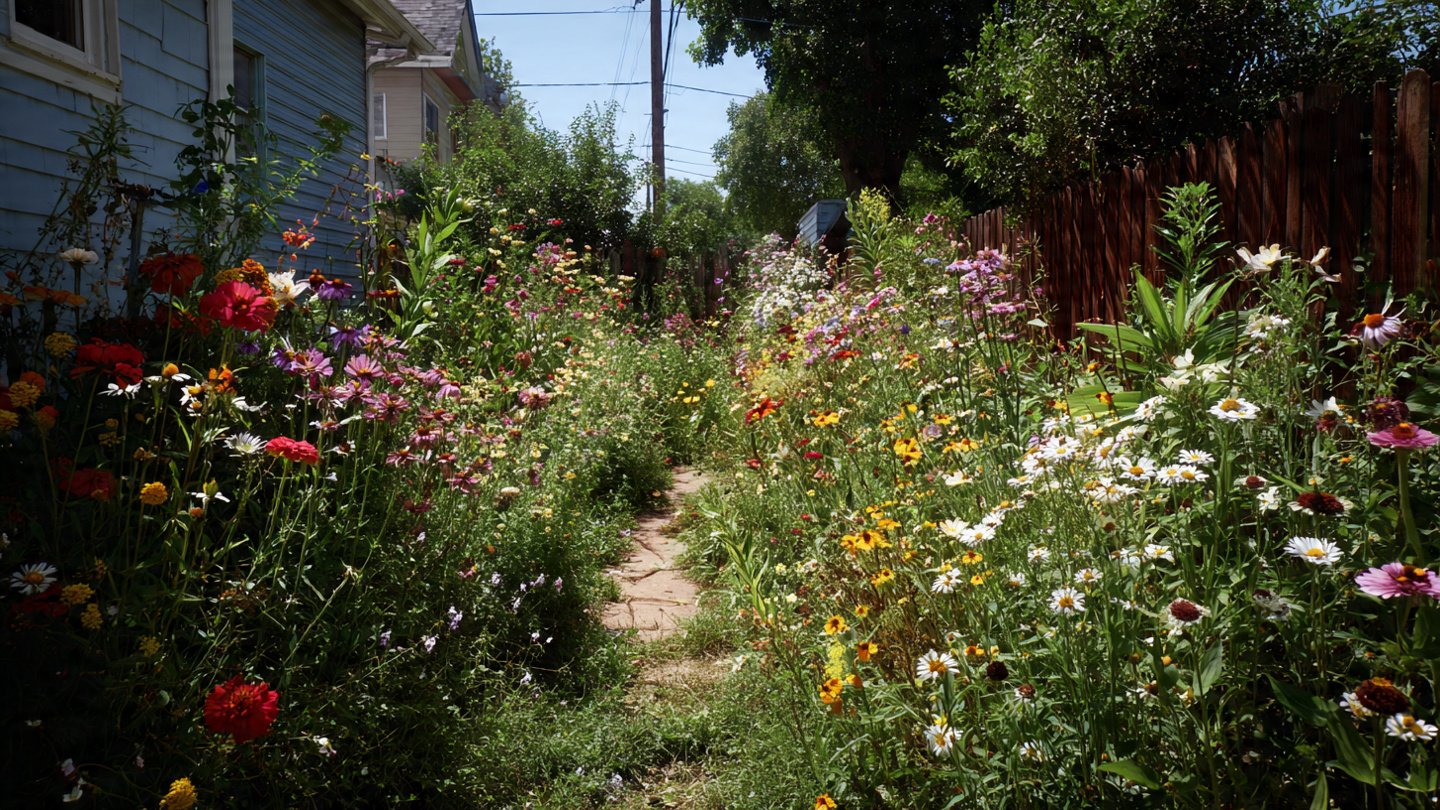

Creating a pollinator paradise in a small area may seem like a daunting task, but with a bit of creativity, planning, and the right plants, you can turn your tiny space into a haven for bees, butterflies, and other essential pollinators. Pollinators play a crucial role in our ecosystem by enhancing plant reproduction and promoting biodiversity. Here’s how to get started transforming your limited space into a flourishing pollinator paradise.
Understanding Pollinators
Pollinators include not just honeybees, but also solitary bees, butterflies, moths, birds, bats, and even some insects like beetles. These creatures are responsible for transferring pollen from one flower to another, facilitating the growth of fruits, seeds, and vegetables. By attracting and supporting these pollinators, you can contribute to a healthier ecosystem as well as enjoy the beauty and productivity of your garden.
Assessing Your Space
Before you start transforming your space, it’s crucial to assess what you have to work with. Whether it’s a balcony, patio, rooftop, or a small backyard, consider the following:
- Sunlight: Determine how much sunlight your space receives throughout the day. Most flowering plants that attract pollinators prefer full sun, so try to choose plants based on these conditions.
- Soil Quality: Check the soil in your area. If your soil is poor quality, consider building raised beds or using containers filled with quality potting soil.
- Space: Measure your area to understand how many plants you can incorporate without overcrowding.
Choosing the Right Plants
To attract and support a variety of pollinators, choose a diverse range of plants that bloom at different times throughout the growing season. This ensures that your garden remains a viable resource for pollinators year-round. Here are some excellent choices:
Native Plants
Native plants are the best option because they have evolved alongside local pollinators and are often more attractive to them. Some popular native plants include:
- Echinacea (Coneflower): A hardy perennial that attracts butterflies and bees.
- Asclepias (Milkweed): Essential for monarch butterflies, milkweed supports various other species as well.
- Rudbeckia (Black-eyed Susan): Bright yellow flowers that draw in a variety of pollinators.
Herbs
Herbs can double as cooking ingredients and pollinator attractors. Consider planting:
- Lavender: Known for its fragrant flowers, it attracts honeybees and butterflies.
- Basil: Once flowering, its blooms are great for bees.
- Thyme: Low-growing and aromatic, it flowering can attract various pollinators.
Flowering Shrubs and Vines
If you have vertical space, don’t forget about flowering shrubs and vines:
- Honeysuckle: Sweet-scented flowers that attract hummingbirds.
- Bee Balm: A perennial that produces vibrant blooms and is favored by a variety of pollinators.
Designing Your Space
The layout of your pollinator paradise can significantly influence its effectiveness. Here are some design tips:
Vertical Gardening
In tiny spaces, vertical gardening can maximize your area. Use wall planters, trellises, and hanging baskets to create vertical layers of blooms. This not only saves ground space but also adds visual interest.
Layering and Grouping
Group plants in clusters rather than spacing them out evenly. This technique attracts pollinators more effectively, as they are more likely to find a food source within a concentrated area.
Natural Materials
Use natural materials such as logs, stones, and twigs to create habitats that can support pollinators. For instance, leaving slightly bare patches of soil can provide nesting sites for solitary bees.
Reducing Pesticide Use
While you may want to protect your plants from pests, using pesticides can be harmful to pollinators. Consider these eco-friendly alternatives:
- Neem Oil: A natural pesticide that is less harmful to bees.
- Insecticidal Soap: Targets pests while being less toxic than chemical solutions.
- Companion Planting: Planting specific flowers that repel pests can help keep harmful insects away naturally.
Supporting Pollinator Habitats
Beyond just plants, it’s essential to provide resources that support pollinator habitats.
Water Source
A small water feature, such as a birdbath with shallow water, can attract thirsty pollinators.
Nesting Sites
Natural habitats can be created by incorporating bare patches of soil for ground-nesting bees or wooden bee houses for solitary bees. You can easily create a bee hotel using hollow stems or drill holes in untreated wood.
Community Involvement
If your space allows, consider collaborating with neighbors to enhance your pollinator habitat. Community gardens can be a great way to pool resources and knowledge, allowing for an even more significant impact on local pollinator populations.
Conclusion
Transforming a tiny space into a pollinator paradise is not just beneficial to the environment; it can also enhance your own enjoyment of the outdoors. By selecting diverse plants, designing with intention, and minimizing pesticide use, you can create a thriving ecosystem that supports vital pollinator populations. Each little effort contributes significantly to the well-being of our planet, making it a better home for us all.
FAQs
1. What are the best plants for tiny spaces?
The best plants are native flowering perennials, herbs, and compact shrubs. Examples include coneflowers, lavender, and bee balm, as they attract various pollinators and thrive in small areas.
2. How can I provide water for pollinators in a small space?
A shallow dish or birdbath filled with clean water will suffice. Adding stones or marbles allows pollinators to safely stand while drinking.
3. Can I attract pollinators with containers?
Yes! Container gardens can be very effective in attracting pollinators. Ensure they contain diverse plants that bloom at different times.
4. Is it necessary to use pesticides in a pollinator garden?
No, it’s best to minimize the use of pesticides in your garden. Opt for natural alternatives and promote a balanced ecosystem for pest control.
5. How often should I water my pollinator plants?
Water needs depend on the specific plants and the climate but generally, keep the soil moist during the growing season and adjust based on rainfall.