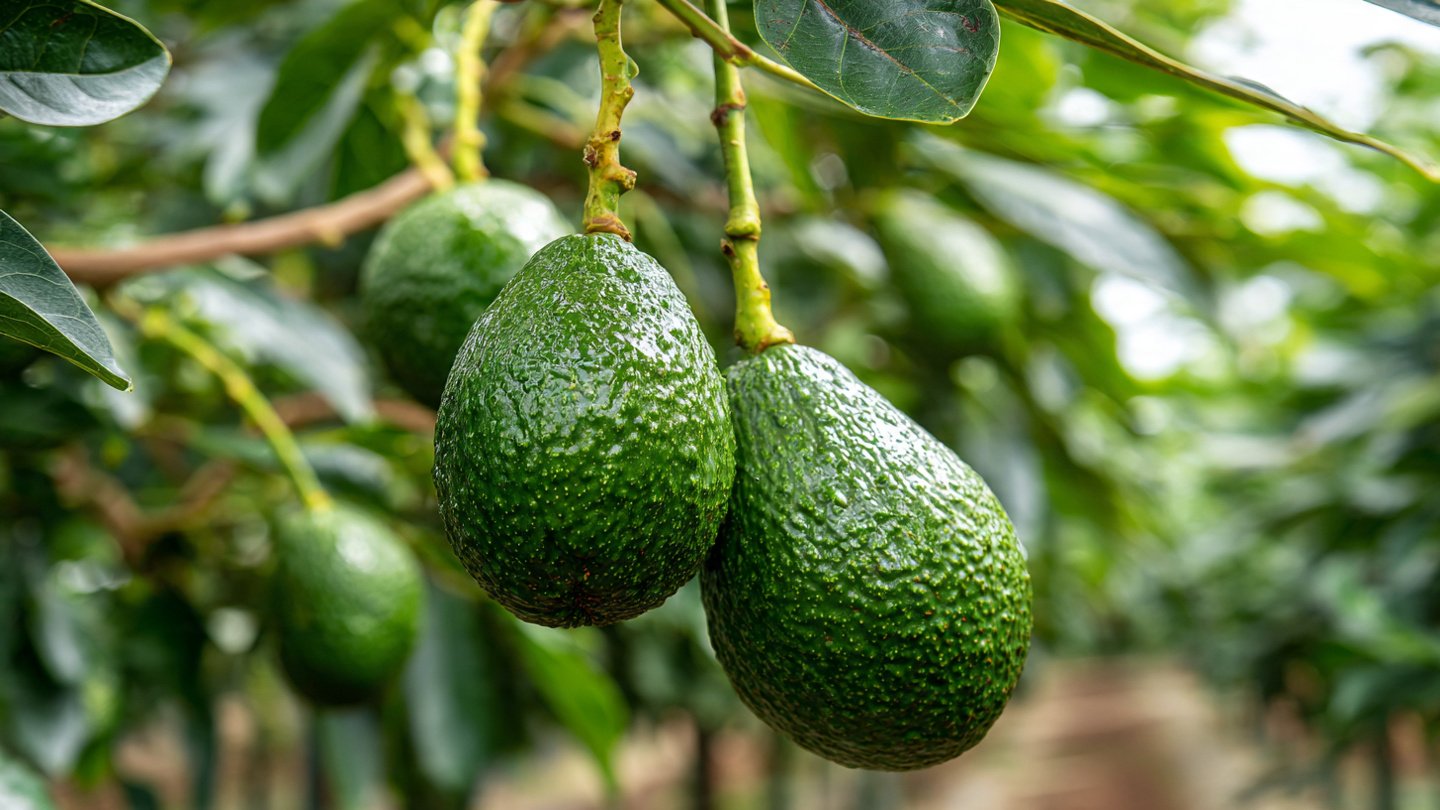

Avocado trees (Persea americana) are beloved for their creamy fruit and unique flavor. While they thrive in warm, sunny climates, it is still possible to grow them in colder regions with careful planning and specific techniques. This guide will walk you through the essential steps to successfully cultivate avocados in a cold climate.
Understanding Avocado Varieties
Choosing the right variety is crucial for success. There are three main types of avocados:
- Mexican Avocados These are the most cold-resistant varieties, typically hardy to about 20°F (-6°C). Popular options include ‘Bacon’ and ‘Fuerte.’
- Guatemalan Avocados: Less cold-resistant than the Mexican varieties, they fare better in temperatures that don’t fall below 30°F (-1°C). ‘Hass’ is a notable variety.
- West Indian Avocados: These are not suitable for cold climates, as they can only thrive in tropical conditions.
Location and Microclimates
Microclimates can greatly affect your avocado tree’s growth. A microclimate is a small area where the climate differs from the surrounding environment. Consider the following tips:
- Choose a sheltered location, such as near a southern-facing wall or building. This can provide warmth and protection from harsh winds.
- Ensure the area receives adequate sunlight, ideally at least 6 hours of sunlight daily.
- Avoid low-lying areas where cold air collects, as frost can damage the tree.
Soil Preparation
Avocado trees prefer well-drained, sandy loam soils with a pH of 6-6.5. Follow these steps to prepare the soil:
- Test the soil pH and amend it with lime if necessary.
- Incorporate organic matter, such as compost or well-rotted manure, to improve drainage and nutrient content.
- Ensure good drainage by grading the planting site if it tends to retain water.
Planting Techniques
When planting your avocado tree, timing is essential. The best time for planting in colder areas is during the spring when the risk of frost has passed. Follow these steps:
- Dig a hole at least twice the width of the root ball and the same depth.
- Place the avocado tree in the hole without disturbing the roots too much.
- Backfill the hole with soil, gently tamping it down to remove air pockets.
- Water the tree thoroughly after planting to help settle the soil.
Protecting Against Cold
Since avocado trees are sensitive to cold weather, here are several methods to protect them:
- Frost Cloth: Cover young trees with frost cloth during cold nights to retain heat.
- Mulching: Apply a thick layer of mulch around the base to insulate the roots.
- Watering: Watering the tree before a frost can retain warmth in the soil.
- Heaters or Lamps: In extreme conditions, use heat lamps or small heaters to keep the area warm.
Watering and Fertilizing
Watering and fertilizing are essential to keep your avocado tree healthy:
- Water the tree deeply but infrequently to encourage deep root growth. Avoid overwatering, as avocado trees are prone to root rot.
- Fertilize in early spring with a balanced fertilizer that is high in nitrogen. Avoid fertilizing late in the growing season, as it may encourage new growth that can be damaged by cold.
Pest Management
Keep an eye out for pests such as aphids, spider mites, and thrips. Here are some management strategies:
- Encourage beneficial insects like ladybugs and lacewings that prey on harmful pests.
- Use insecticidal soap or neem oil for minor pest infestations.
- Regularly inspect the leaves and stems for signs of infestation.
Pruning and Maintenance
Regular maintenance ensures healthy growth:
- Prune your avocado tree in late winter to promote airflow and sunlight penetration.
- Remove any dead or diseased branches.
- Maintain the tree’s shape to prevent breaking in high winds.
Harvesting Avocados
Harvesting your avocados is the reward for your hard work. Avocados do not ripen on the tree; instead, they will mature and soften after being picked. Here’s how to know when they are ripe:
- Harvest when the fruit is at a mature size (approximately 6-8 months after flowering).
- Pick a fruit and check its consistency. If it yields slightly to pressure, it’s ready to be eaten.
Conclusion
Growing avocado trees in a cold climate is challenging but certainly achievable with the right techniques and care. By selecting the appropriate variety, providing proper soil and location, protecting the plants in winter, and implementing effective maintenance practices, you can enjoy the benefits of home-grown avocados, even in regions with cooler temperatures. With patience and diligence, your avocado tree can thrive and reward you with delicious fruit.
FAQs
1. What is the best avocado variety for cold climates?
The best avocado varieties for cold climates include ‘Bacon’ and ‘Fuerte,’ which are more cold-hardy than others.
2. How cold can avocado trees tolerate?
Mexican avocados can tolerate temperatures as low as 20°F (-6°C), while Guatemalan varieties can handle temperatures down to 30°F (-1°C).
3. Should I plant avocados in the ground or in pots in cold climates?
In cold climates, it can be beneficial to plant avocados in pots so they can be moved indoors during frost or winter months.
4. How can I protect my avocado tree from frost?
Cover the tree with frost cloth, apply mulch, and consider using heaters or heat lamps during extreme cold snaps.
5. How often should I water my avocado tree?
Water deeply but infrequently to encourage deep root growth. A good rule of thumb is to water when the top 2 inches of soil feel dry.