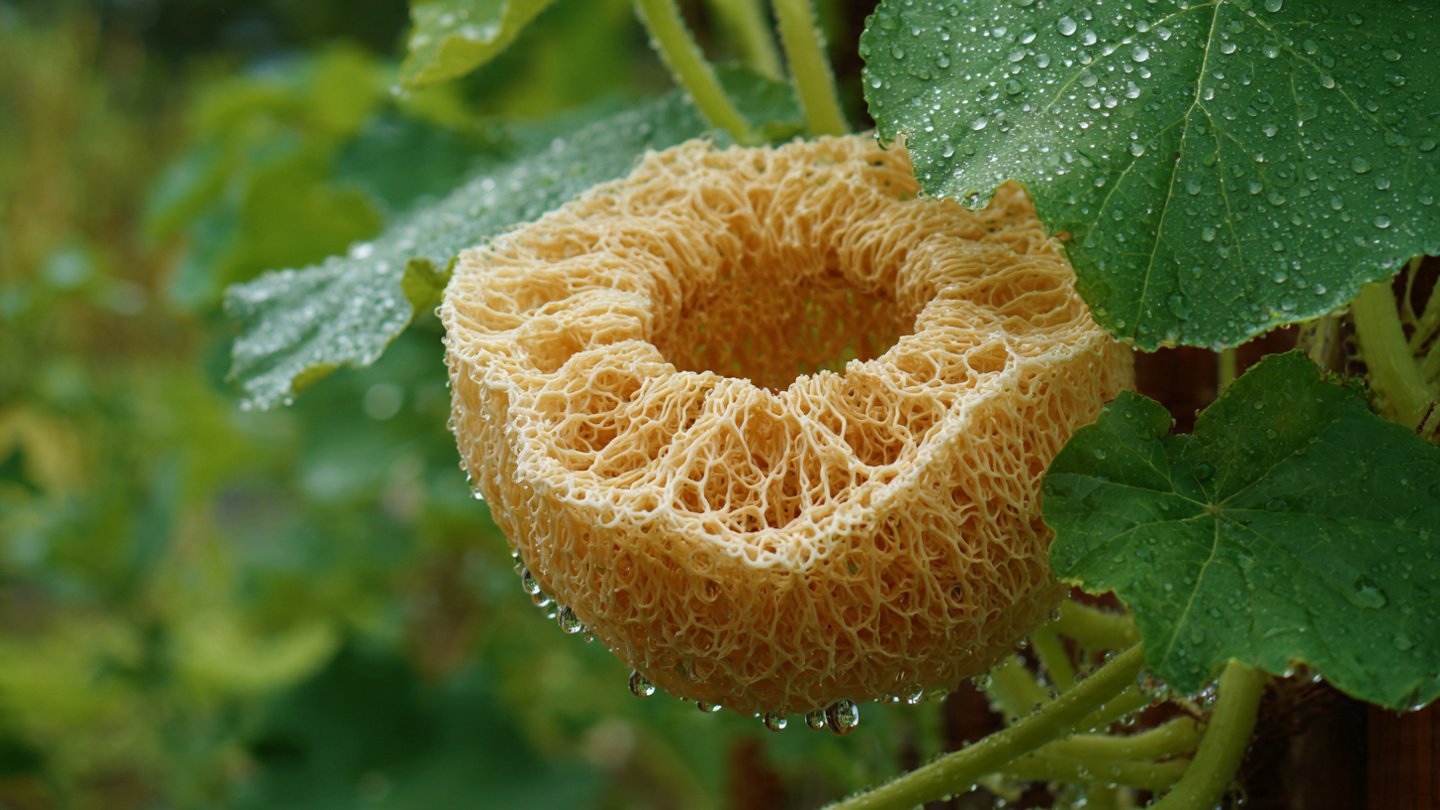

Loofah sponges, often found in bathrooms and kitchens as natural exfoliants, are actually the dried fibrous skeleton of the loofah gourd, or Luffa aegyptiaca. Not only are these sponges eco-friendly alternatives to synthetic options, but growing your own loofah can also be a rewarding gardening project. If you’re curious about how to successfully cultivate loofah sponges in your backyard, this comprehensive guide will walk you through each crucial step, from planting to harvesting.
Understanding the Loofah Gourd
Before diving into the growing process, understanding the loofah gourd’s nature is essential. Loofahs belong to the Cucurbitaceae family, which includes cucumbers, melons, and squash. These plants thrive in warm climates but can also be grown in cooler regions with care.
Types of Loofahs
There are primarily two types of loofah plants:
- Luffa aegyptiaca: Often used for making loofah sponges, this variety produces larger fruits.
- Luffa operculata: Smaller and often less popular for sponge-making.
The key difference lies in their fruit size. For sponge cultivation, Luffa aegyptiaca is the preferred choice.
Step-by-Step Guide to Growing Loofah Sponges
1. Selecting the Right Location
Loofah plants require ample sunlight and space for sprawling. Look for a location in your garden that:
- Receives at least 6-8 hours of sunlight daily.
- Has good air circulation to minimize the risk of mildew.
- Features a sturdy support system, like fencing or trellises, as loofah vines can grow up to 30 feet long.
2. Preparing the Soil
The foundation of any successful planting lies in the soil. Loofah gourds prefer:
- Well-drained soil: To avoid root rot, ensure adequate drainage by mixing in organic material or compost.
- Slightly acidic to neutral pH (6.0 – 7.0): Test your soil and amend it as needed.
- Nutrient-rich: Incorporate compost or well-rotted manure before planting to provide the necessary nutrients.
3. Planting Seeds
Loofah seeds can be directly sown in the garden or started indoors. Here’s how to do it:
Direct Sowing
- Wait until all danger of frost has passed and soil temperatures are around 70°F (21°C).
- Plant seeds approximately 1 inch deep and 3 feet apart to allow room for growth.
- If space permits, plant them in hills with 2-3 seeds per hill, later thinning to the strongest plant.
Starting Indoors
- Sow seeds in seed trays 4-6 weeks before the last frost date.
- Keep them in a warm area (around 70-80°F) until they germinate.
4. Watering and Care
Watering Needs
Loofah plants thrive with consistent moisture, especially during their initial growth stages.
- Water regularly: Aim for at least 1-2 inches of water per week.
- Avoid water on the leaves: This helps reduce the risk of fungal diseases.
Fertilizing
After the seedlings have established, apply a balanced fertilizer every 4-6 weeks. A fertilizer higher in potassium can foster better fruit development.
5. Supporting the Vines
Loofah plants are climbers. Construct a trellis or use existing structures like fences to support the vines.
- Ensure the trellis is sturdy and tall enough to accommodate their growth—a height of 6-8 feet is usually sufficient.
- As the plant grows, gently guide the vines to climb the support structure.
6. Dealing with Pests and Diseases
Like most garden plants, loofah gourds are susceptible to pests and diseases. Here’s how to live harmoniously with them:
Common Pests
- Aphids: Watch for tiny green insects on new growth. They can be removed with a strong water spray or natural insecticidal soap.
- Cucumber beetles: These pests can spread diseases. Handpick them and apply row covers early on to protect young plants.
Diseases
Fungal diseases, such as powdery mildew, can affect loofahs.
- Promote airflow: Thin out crowded vines and avoid overhead watering.
- Fungicides: If needed, apply organic fungicides as a preventive measure.
7. Pollination
Loofah plants produce separate male and female flowers. It’s crucial that these flowers are adequately pollinated for fruit development.
- Attract Pollinators: Plant companion flowers nearby to attract bees and butterflies.
- Hand Pollination: If you notice a lack of pollinators, you may gently transfer pollen from male flowers to female flowers using a small brush or your fingers.
8. Harvesting
Your loofahs will be ready for harvest when they are fully grown, generally 6-8 months after planting.
- Visual Signs: Look for mature fruits that have turned yellow-brown. The skin should feel hard.
- How to Harvest: Cut the sponge at the stem without damaging the vine.
9. Processing the Loofah Sponges
Once harvested, loofah fruits need to be processed for use as sponges.
- Peel the Skin: Remove the outer skin using a knife or peeler.
- Seed Removal: Shake or gently squeeze to remove the seeds.
- Rinsing: Rinse the inner fibers thoroughly under running water to get rid of any remaining pulp.
- Drying: Hang the loofah in a cool, dry place for a couple of weeks until completely dried.
- Storing: Once dried, store your loofah sponges in a moisture-free environment.
10. Utilizing Your Loofah Sponges
Your homemade loofah sponges can be used in various ways:
- Bathing and Exfoliating: Perfect for scrubbing away dead skin.
- Cleaning Products: Use them as an eco-friendly alternative for household cleaning.
- Gardening Uses: Shredded loofah can be used for mulch or making natural potting mixes.
Conclusion
Growing loofah sponges in your backyard is not just an eco-friendly alternative to imported synthetic sponges but also a fulfilling gardening experience. With the right conditions, care, and attention, you can reap the rewards of these unique plants and enjoy their numerous benefits. Whether you’re using them for personal care or as a natural cleaning solution, growing loofahs is a sustainable and enjoyable addition to any garden. Happy gardening!