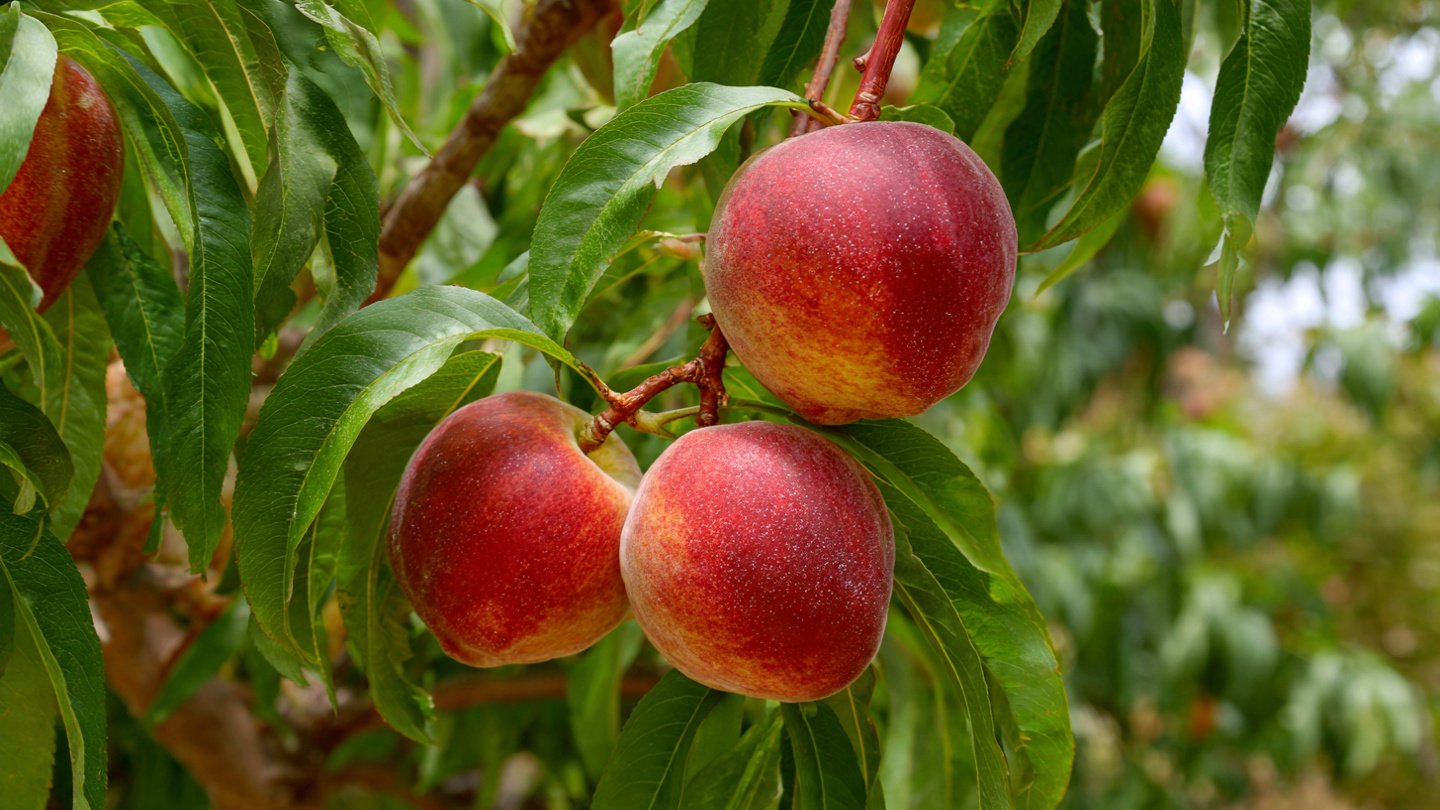

Peaches are one of summer’s most delightful fruits, prized for their sweet, juicy flesh and fragrant aroma. However, waiting for peaches to ripen can test the patience of even the most seasoned gardener. If you’re eager to enjoy fresh peaches straight from the tree, there are simple hacks to help accelerate the ripening process. This article will explore effective techniques to ripen peaches faster while ensuring that your fruit remains the epitome of flavor and quality.
Understanding Peach Ripening
Before diving into the hacks for speeding up the ripening process, it’s essential to understand how peaches ripen. Ripening is a natural process that involves several physiological changes, including:
Ethylene Production: Ethylene is a natural plant hormone responsible for the ripening of various fruits, including peaches. It triggers changes in color, texture, and flavor.
Enzyme Activity: Various enzymes activate during ripening, leading to the breakdown of starches into sugars, softening of the fruit, and enhancement of aroma.
Environmental Factors: Temperature, humidity, and light all play significant roles in how quickly fruits ripen. Peaches thrive best in warm, humid conditions, which promote faster ripening.
The Importance of Timing
Timing plays a critical role in ensuring the best flavor and texture. Peaches that are picked too early may lack sweetness and juiciness, while those left too long on the tree can become overripe and attract pests. Essentially, the goal should be to harvest the peaches when they are mature but not fully ripe, allowing the hacks we discuss to do their work in enhancing the fruit’s natural sugars and flavors.
Hacks for Faster Peach Ripening
1. Strategic Thinning
One of the most substantial yet often overlooked ways to aid in ripening peaches is through proper thinning. When peaches are spaced too closely together, they can compete for nutrients, water, and sunlight, leading to delayed ripening.
- Thinning Techniques: Gently remove some of the smaller or less healthy-looking peaches from each cluster so that the remaining fruits have enough resources to grow. Aim to keep the best-looking fruits, usually choosing those that are evenly spaced and have a uniform size.
This process allows the remaining peaches to gain more energy and nutrients, speeding up their ripening.
2. Utilizing Sunlight
Sunlight is a natural accelerant in the ripening process. Ensuring the peach tree receives adequate sunlight can significantly affect fruit flavor and sweetness.
Tree Positioning: If planting new trees, ensure they are situated in a spot that maximizes sun exposure, ideally receiving full sunlight for several hours a day.
Trim Overhanging Branches: Regularly trim any branches that may cast shade on your peach tree. This will increase the amount of sunlight reaching the fruit, promoting faster ripening.
3. Using Bagging Techniques
A less common yet effective method of enhancing ripening is bagging individual fruits. This technique is primarily used to protect fruits from pests and diseases, but it can also help in creating a mini-greenhouse effect that stimulates ripening.
Materials: Use a lightweight, breathable material to make small bags. You can opt for organza bags or even brown paper bags.
How to Bag: Carefully place a bag around each peach, ensuring it is secured but allowing airflow. The warmth generated within the bag can accelerate the ripening process. Just remember to check them regularly to avoid over-ripening.
4. Applying Foliar Fertilizers
Nutrient balance is critical in promoting healthy fruit development and ripening. Applying a foliar fertilizer rich in potassium can help speed up the ripening process.
When to Apply: Apply the fertilizer when the peaches start to change color but are still firm to the touch. This is when the fruit is most responsive to additional nutrients.
Method: Spray the fertilizer on the leaves during the early morning or late afternoon when the temperatures are cooler. This will help to increase the efficiency of nutrient absorption.
5. Maintaining Optimal Moisture Levels
Peach trees require consistent moisture, particularly when the fruits are developing and maturing. An even level of soil moisture can help in both the growth and ripening stages.
Mulching: Consider adding a layer of mulch around the base of your peach tree. This will help retain moisture and regulate soil temperature, promoting healthy growth.
Watering Schedule: Pay close attention to your watering schedule. During dry spells, provide deep and thorough watering, ensuring that water penetrates the root zone.
6. Harvesting Judiciously
Harvesting peaches at the right time can be a science. When fruits turn from green to a yellowish shade and begin to soften slightly, they are ready for harvesting.
- Gently Test for Ripeness: A little squeeze can provide insight. If the peach gives slightly under pressure but is not mushy, it is likely at the peak of ripeness for immediate consumption.
7. Implementing Ethylene Gas
If you’re keen on harnessing the power of ethylene gas, this method will accelerate the ripening process significantly.
Ethylene-producing Fruits: Store your peaches with fruits that produce high levels of ethylene, such as apples or bananas.
How to Store: Place the fruits in a paper bag together. The ethylene gas produced will accumulate in the bag, hastening the ripening of your peaches.
8. Temperature Management
Temperature is a crucial factor when it comes to fruit ripening. Warmer temperatures typically lead to quicker ripening.
- Ideal Temperature Range: Try to maintain a warm temperature (preferably 70°F to 80°F) in the vicinity of your peach tree. If the nights are cool, consider using row covers to capture heat.
Conclusion
In summary, ripening peaches on the tree can be sped up through a multifaceted approach that includes strategic thinning, maximizing sunlight, utilizing bagging techniques, applying foliar fertilizers, maintaining moisture, harvesting judiciously, leveraging ethylene gas, and managing temperature. By employing these straightforward hacks, you can enhance the quality and flavor of your peaches and enjoy this delicious fruit at its best.
Final Thoughts
Patience is vital in gardening, but with these techniques at your disposal, you’ll find joy in the anticipation of ripening peaches. Don’t hesitate to experiment and see which methods yield the best results in your specific environment—after all, every garden is unique! With a little diligence and care, you’ll be savoring sweet, juicy peaches in no time. Happy gardening!