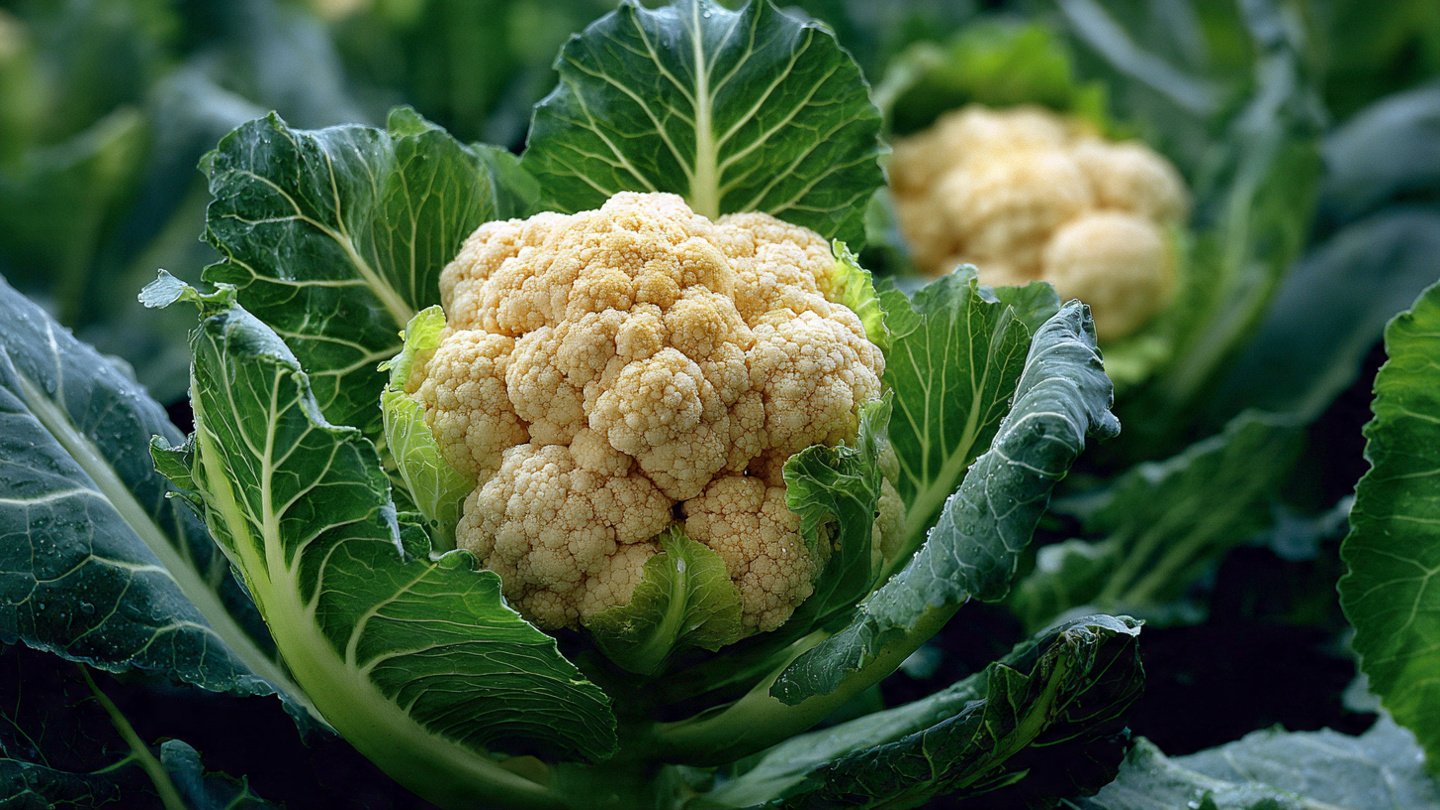

Growing cauliflower can be a rewarding yet challenging endeavor for any gardener. This versatile vegetable thrives in cool weather and is packed with nutrients, making it a favorite in many dishes. However, one common issue that gardeners face is yellowing leaves and heads, which can be caused by various factors including nutrient deficiencies, pests, and improper growing conditions. This article will explore how to cultivate large, healthy heads of cauliflower without facing the problem of yellowing.
Understanding Cauliflower Growth Conditions
Climate and Soil
Cauliflower prefers a cool climate, with optimal temperatures ranging between 60°F to 65°F (15°C to 18°C). Planting in the right season is crucial; late summer to early fall is ideal for a fall crop, while early spring is best for a summer harvest. The soil should be well-drained, rich in organic matter, and slightly alkaline to neutral, with a pH between 6.0 and 7.0.
Nutritional Needs
Cauliflower is a heavy feeder, requiring a consistent supply of nutrients throughout its growth cycle. The key nutrients include nitrogen for leafy growth, phosphorus for root development, and potassium for overall health. An imbalance in these nutrients can lead to poor growth, disease susceptibility, and yellowing leaves.
Soil Preparation
Testing Your Soil
Before planting, conduct a soil test to determine its pH and nutrient levels. Many local agricultural extensions offer testing services. Adjusting your soil based on these results will set the foundation for healthy cauliflower growth.
Amending the Soil
To prepare your soil, incorporate compost or well-rotted manure to improve its organic matter content. You can also add bone meal to boost phosphorus levels and potassium-rich fertilizers such as greensand. Make sure to mix these amendments well into the soil to ensure an even distribution.
Sowing Seeds and Transplanting
Choosing the Right Variety
Selecting a disease-resistant variety of cauliflower can significantly improve your chances of success. Look for those labeled as “early,” “mid-season,” or “late,” depending on your growing season.
Seed Sowing
You can start cauliflower seeds indoors 6 to 8 weeks before the last frost date, or you can sow them directly into prepared outdoor beds. If starting indoors, use biodegradable pots to minimize root disturbance during transplanting. Ensure seedlings are about 4 to 6 inches tall before transferring them outside.
Transplanting
When transplanting outdoors, space the seedlings about 18 to 24 inches apart in rows that are 30 inches apart. This distance allows for good air circulation, which is essential for preventing diseases such as downy mildew.
Watering Techniques
Proper watering is crucial for cultivating healthy cauliflower heads. Cauliflower needs about 1 to 1.5 inches of water per week. Here are some strategies:
Consistency is Key
Water consistently, as fluctuations can cause stress to the plants and lead to yellowing. Drip irrigation is preferable, as it delivers water directly to the roots while minimizing leaf moisture, which can lead to fungal diseases.
Mulching
Applying a layer of organic mulch around the base of the plants helps retain soil moisture, suppress weeds, and regulate soil temperature. Use straw, grass clippings, or wood chips as mulch.
Fertilization
Importance of Fertilization
Applying the right fertilizers at the right times can help avoid nutrient deficiencies that could lead to yellowing leaves.
Types of Fertilizers
A balanced fertilizer, such as a 10-10-10 or a compost tea, can be used during the initial stages of growth. Once the plants establish, consider switching to a fertilizer higher in nitrogen to support leafy growth, followed by a boost of potassium a few weeks before harvesting.
Timing
Apply fertilizers when the plants are actively growing but avoid over-fertilizing, as this can lead to excessive leaf growth at the expense of head development.
Pest and Disease Management
Common Pests
Cauliflower is susceptible to pests like aphids, cabbage worms, and flea beetles, which can cause stress to the plants, leading to yellowing. Use row covers to protect seedlings from pests and check the undersides of leaves regularly.
Diseases
Fungal diseases such as downy mildew can impact leaf health. Make sure to provide adequate spacing for air circulation. If disease does occur, use organic fungicides like neem oil or copper formulations as a preventative measure.
Integrated Pest Management (IPM)
Utilizing IPM techniques can minimize the use of chemical pesticides. Encourage beneficial insects like ladybugs and lacewings in your garden, and practice crop rotation to reduce the buildup of pests and diseases.
Crop Rotation
To maintain soil health and prevent diseases, practice crop rotation. Avoid planting cauliflower in the same location more than once every three years. This approach disrupts pest and disease life cycles and improves soil fertility.
Harvesting Cauliflower
Timing is Everything
Knowing when to harvest is critical for large, non-yellowing heads. Cauliflower is usually ready for harvest when the heads are firm and compact. They can typically be harvested about 70 to 100 days after planting, depending on the variety.
How to Harvest
Use a sharp knife to cut the head from the plant, leaving a few leaves attached to protect it from sunburn. Handle the heads carefully to avoid bruising, which can lead to decay.
Post-Harvest Care
Storage
After harvesting, it is essential to store your cauliflower properly to maintain freshness and avoid yellowing. Store it in a cool, dark place or refrigerate it in a perforated plastic bag. Cauliflower can last up to two weeks in the refrigerator.
Blanching
If you want to preserve the cauliflower for later use, blanch it in boiling water for a few minutes before freezing. This process helps retain its color and nutritional content while preventing yellowing.
Conclusion
Growing massive heads of cauliflower without the worry of yellowing is within reach for any dedicated gardener. By understanding the needs of this cool-weather crop—from soil preparation and pest management to proper watering and fertilization—you can cultivate healthy, vibrant, and delicious cauliflower. Remember that gardening is a journey filled with learning opportunities, and each season offers new insights into what works best in your unique environment. With patience and proper care, your cauliflower will reward you with a bountiful harvest that can be enjoyed fresh or preserved throughout the year. Happy gardening!