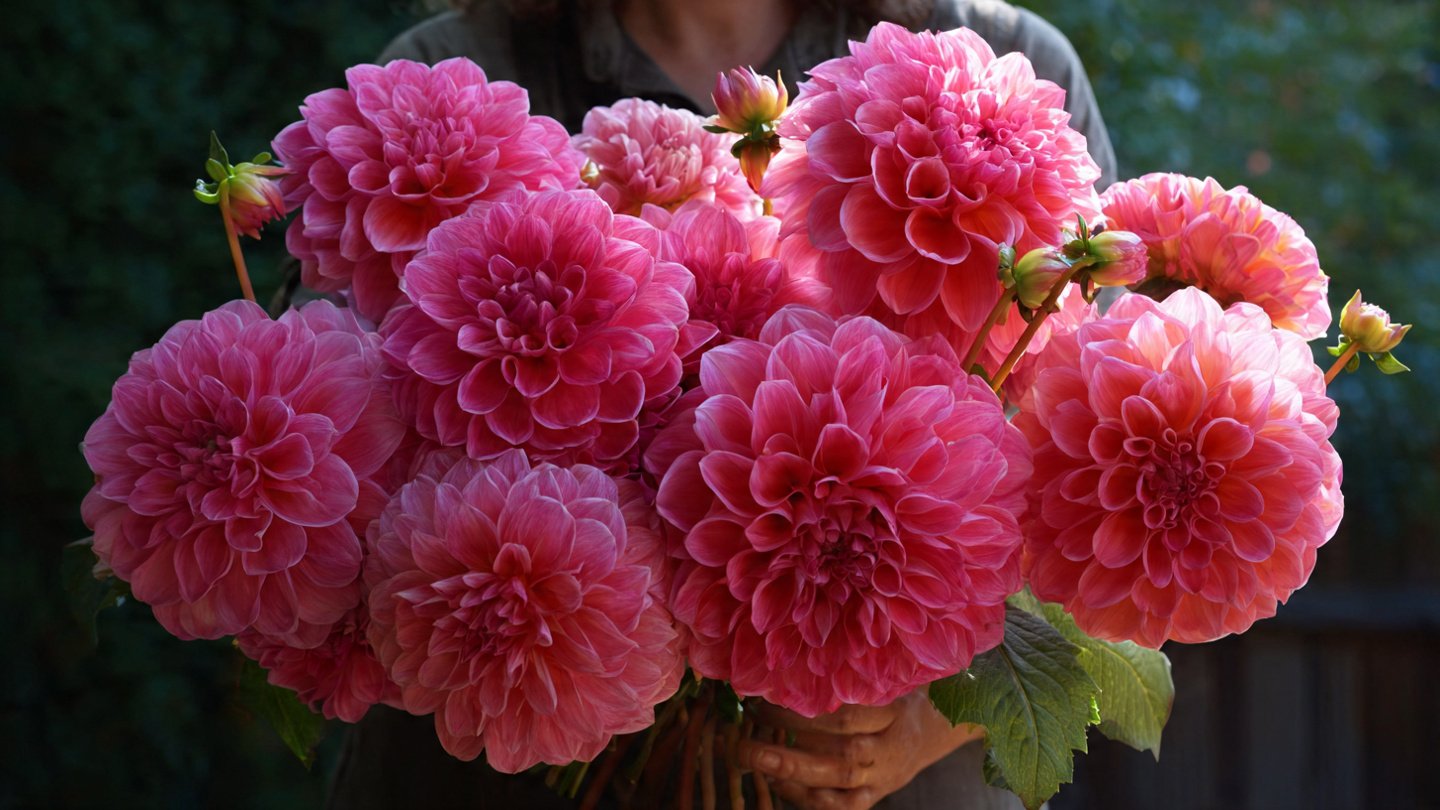

Dahlias are renowned for their stunning blooms, coming in various shapes and sizes. However, growing giant dahlias that reach impressive heights and sizes can be a fascinating endeavor for any gardener. In this guide, we will explore the essential steps, tips, and techniques to cultivate these magnificent flowers that seemingly defy gravity!
Choosing the Right Variety
The journey begins with selecting the right dahlia variety. Not all dahlias are suited for achieving giant sizes. Some popular giant dahlia varieties include:
- Jazz Night: Known for its dark petals and large blooms.
- Kelvin Floodlight: A bright, sunshine-yellow flower that can grow up to 12 inches in diameter.
- Thomas Edison: Striking purple blooms that can reach large sizes with proper care.
When choosing seeds or tubers, ensure they are labeled as “giant” or “top size” for the best results.
Preparing the Soil
Soil preparation is crucial for the health of dahlias. They prefer well-draining, loamy soil rich in organic matter. Here’s how to prepare the soil:
- Test Your Soil: Check the pH level and nutrient content. Dahlias thrive in a pH range of 6.0 to 7.0.
- Add Organic Matter: Incorporate well-rotted manure or compost to enrich the soil.
- Ensure Proper Drainage: If your soil holds water, consider raising the garden bed or adding sand to improve drainage.
Planting Technique
When planting dahlias, timing and technique are essential:
- Timing: Plant dahlias in the spring after the last frost date to ensure they have a warm growing season.
- Spacing: Space the tubers about 18 to 24 inches apart to allow for ample growth.
- Depth: Plant the tubers about 4 to 6 inches deep, ensuring the “eyes” are facing upwards.
Cover the tubers gently with soil and water them well, but avoid waterlogging the area.
Watering and Fertilization
Maintaining the right moisture levels is vital for giant dahlias:
- Watering: Dahlias need consistent moisture, especially during dry spells. Water them deeply about once a week.
- Fertilization: Use a balanced fertilizer (like 10-10-10) when the plants are about 12 inches tall. You can switch to a low-nitrogen fertilizer as buds start to form to encourage flower growth over foliage.
Staking for Support
Giant dahlias require support to help them stand tall and avoid drooping under the weight of their blooms:
- Stakes: Use wood or metal stakes that are at least 4-5 feet tall, placing them in the ground at planting time.
- Twist Ties: As the plants grow, gently tie the stems to the stakes using soft ties or twine, ensuring not to damage the stems.
Pest and Disease Management
Maintaining the health of your dahlias is essential for achieving giant sizes. Be vigilant for common pests and diseases:
- Aphids: These tiny pests can be deterred with insecticidal soap or neem oil.
- Slugs & Snails: Use traps or barriers like copper tape to keep these pests at bay.
- Powdery Mildew: Ensure good airflow between plants and avoid overhead watering to prevent this fungal disease.
Harvesting and Arranging
Once your giant dahlias are in full bloom, it’s time to enjoy your hard work. Here’s how to harvest and arrange them:
- Harvesting: Cut the stems in the morning when the blooms are well-hydrated. Use sharp scissors to make clean cuts.
- Arranging: For display, remove any leaves that will be submerged in water. Use a clean vase with fresh water for prolonged bloom life.
Conclusion
Growing giant dahlias is an incredibly rewarding gardening project. With the right selection of varieties, proper soil preparation, careful watering, and pest management, you can cultivate these majestic flowers that not only adorn your garden but also serve as an impressive centerpiece in your home. Remember, patience and attention to detail are key in this gardening journey. Start small, learn as you go, and enjoy the beautiful blooms that result from your efforts!
FAQs
1. How long does it take for dahlias to bloom?
Dahlias typically bloom 8 to 10 weeks after planting, depending on the variety and growing conditions.
2. Can I grow dahlias in containers?
Yes, dahlias can be grown in large containers. Just ensure the pot has good drainage and is at least 12 inches deep.
3. What should I do if my dahlias are not blooming?
If your dahlias are not blooming, check for nutrient deficiencies, ensure they are receiving enough sunlight, and verify that you’re not over-fertilizing with nitrogen.
4. Are dahlias annuals or perennials?
Dahlias are technically tubers, and while they are treated as annuals in colder climates, they can be overwintered and grown as perennials in warmer regions.
5. How can I save dahlia tubers for next year?
After the first frost, you can dig up the tubers and store them in a cool, dry place. Ensure they are well-dried and keep them in peat moss or vermiculite for the winter.