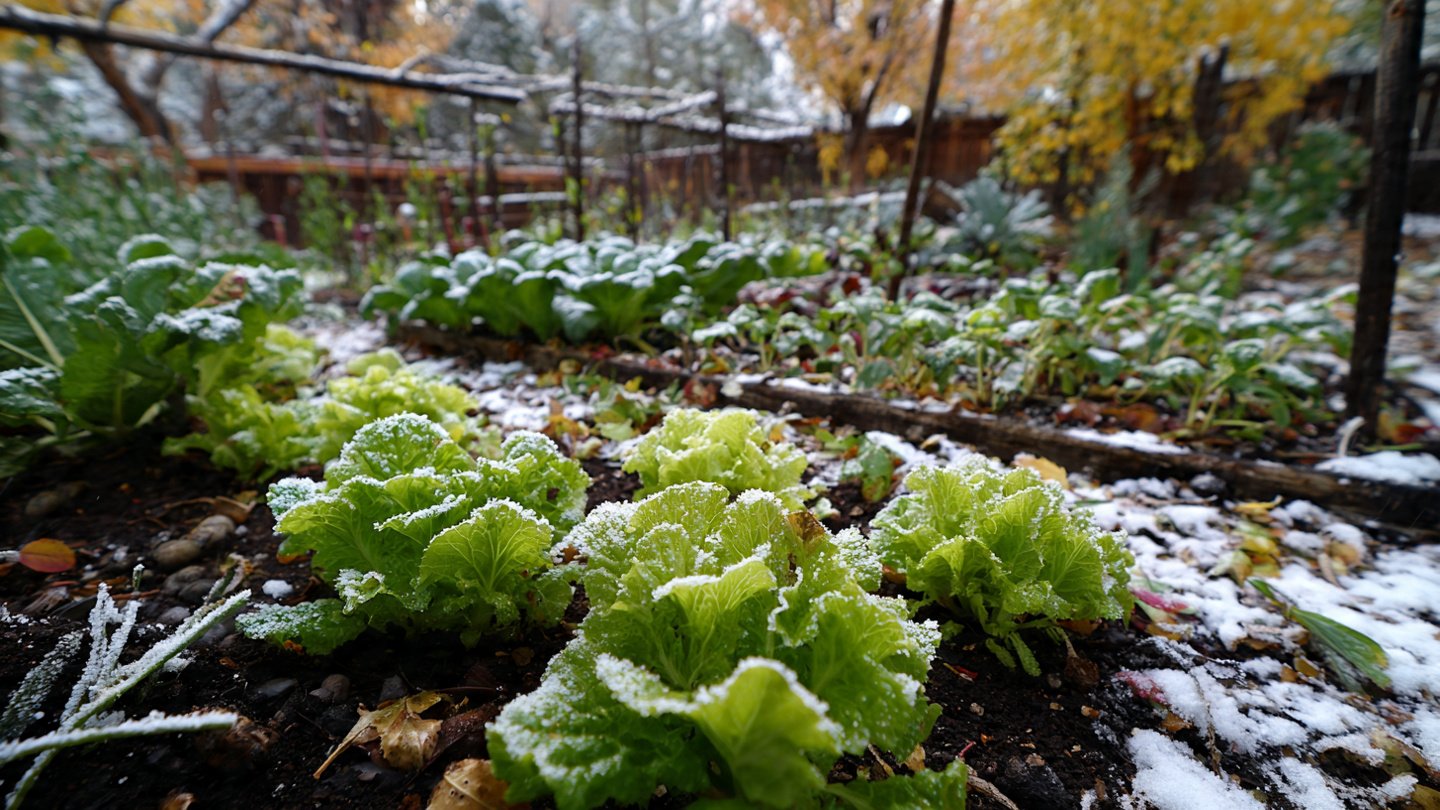

Creating a salad garden that can withstand harsh winter weather is not only rewarding but allows you to enjoy fresh produce even during the cold months. The key to maintaining a thriving salad garden through hard freeze weather is a combination of selection, timing, preparation, and protective measures. Here’s a comprehensive guide on how to achieve this.
1. Choosing the Right Greens
When planning your salad garden, consider planting cold-hardy greens that can tolerate frost and even sub-zero temperatures. Here are some varieties to consider:
1.1. Kale
Kale is a superstar among winter greens. Its flavor actually improves after frost. This leafy green can handle temperatures down to 20°F (-6°C) and is packed with nutrients.
1.2. Spinach
Spinach is another frost-tolerant option. It can thrive in temperatures as low as 20°F (-6°C) and offers a nutritious boost to your salads.
1.3. Swiss Chard
Swiss chard is colorful and versatile. It tolerates colder weather well, providing an excellent addition to both salads and cooked dishes.
1.4. Mâche
Also known as “lamb’s lettuce,” mâche thrives in cooler weather and can withstand frost. It has a delicate flavor that complements other greens nicely.
1.5. Arugula
Arugula is quick to grow and has a peppery taste. It tolerates a bit of frost, providing you with a robust flavor for your salads.
2. Timing Your Planting
2.1. Fall Planting
To ensure your salad garden thrives through hard freezes, consider planting in late summer to early fall. This allows your plants to establish roots before the cold hits. You can also use successive planting methods, where you sow seeds every two weeks until mid-September for continuous harvests.
2.2. Spring Planting
If you miss the fall planting window, you can still grow a salad garden in late winter to early spring. Start seeds indoors in early March and transplant them outside once the danger of hard freeze has passed.
3. Soil Preparation
3.1. Quality Soil
Good soil is crucial for a thriving salad garden. Amend your garden bed with organic matter, such as aged compost or well-rotted manure, to enhance drainage and nutrient availability.
3.2. Soil Testing
Conduct a soil test to check pH and nutrient levels. Most salad greens prefer a slightly acidic to neutral soil (pH 6.0 to 7.0). Amend your soil accordingly based on the test results.
3.3. Tilling
Loosen your soil by tilling it to a depth of 12-14 inches. This promotes good aeration and drainage, vital for root health.
4. Watering and Fertilization
4.1. Consistent Watering
Even in cooler months, consistent watering is important. Ensure your plants receive enough moisture, especially before a freeze. However, avoid waterlogging, which can damage roots.
4.2. Organic Fertilizers
Apply organic fertilizers during the growing season to nourish your plants. Look for balanced options with equal parts nitrogen, phosphorus, and potassium.
5. Protective Measures
During hard freezes, taking protective measures can make the difference between a successful harvest and a failed garden.
5.1. Cold Frames
Invest in cold frames to protect your salad greens from harsh weather. These mini-greenhouses can trap heat and create a microclimate conducive to growth. Build or purchase one and place it over your plants to provide insulation.
5.2. Row Covers
Lightweight row covers can shield your plants from frost, acting as a barrier against freezing temperatures. Make sure to remove them during sunny days to avoid overheating.
5.3. Mulching
Applying a thick layer of organic mulch around your plants can help insulate the soil and retain moisture. Use straw, wood chips, or shredded leaves to create a protective layer.
5.4. Hoop Tunnels
For larger spaces, setting up hoop tunnels can provide significant protection. These structures can accommodate more plants while offering warmth and insulation.
6. Companion Planting
Incorporating companion plants in your salad garden can help maximize yield and improve resilience. For example, plant garlic or onions alongside your greens. They can deter pests and may enhance the flavor of your salad crops.
7. Pest Management
Even in colder months, pests can be a concern. Here are a few tips to manage them effectively:
7.1. Monitoring
Regularly check for signs of aphids, slugs, or other pests. Acts promptly to remove any infested plants.
7.2. Natural Predators
Encourage natural pest predators by planting flowers or herbs nearby. Ladybugs and lacewings are excellent for controlling aphid populations.
7.3. Organic Treatments
Utilize organic pest control methods, such as neem oil or insecticidal soap, to address infestations without harming beneficial insects.
8. Harvesting and Storing
Timing your harvest correctly is crucial to enjoying a bountiful salad garden.
8.1. Harvesting Techniques
Begin harvesting your greens once they reach a usable size. For most salad greens, cutting the outer leaves first encourages new growth, resulting in a more extended harvesting period.
8.2. Storing Greens
Store harvested greens in the refrigerator, ideally in a perforated plastic bag or a container with a damp paper towel. This keeps them fresher for longer.
9. Troubleshooting Common Issues
9.1. Frost Damage
If you see signs of frost damage, don’t panic. Some plants, like kale, will recover once temperatures rise. However, check for rot or other damages and remove any affected parts.
9.2. Slow Growth
If your greens seem to be growing slowly, it may be due to insufficient light during the winter months. Ensure they receive at least six hours of sunlight a day, or consider supplemental grow lights.
9.3. Overwatering
Overwatering can lead to root rot. Ensure proper drainage and adjust your watering schedule if plants show signs of yellowing leaves.
Conclusion
Growing a salad garden that thrives through hard freeze weather requires careful planning and attention to detail. With the right choices in plant varieties, proper timing, preparation, and protective measures, you can enjoy fresh, nutritious greens even in the depths of winter. By following these guidelines, you’ll not only be able to sustain your garden during harsh conditions but also cultivate a deep connection to your food and the changing seasons. Every effort you invest in nurturing this thriving oasis is a step towards sustainable living and enjoying the fruits of your labor. Happy gardening!