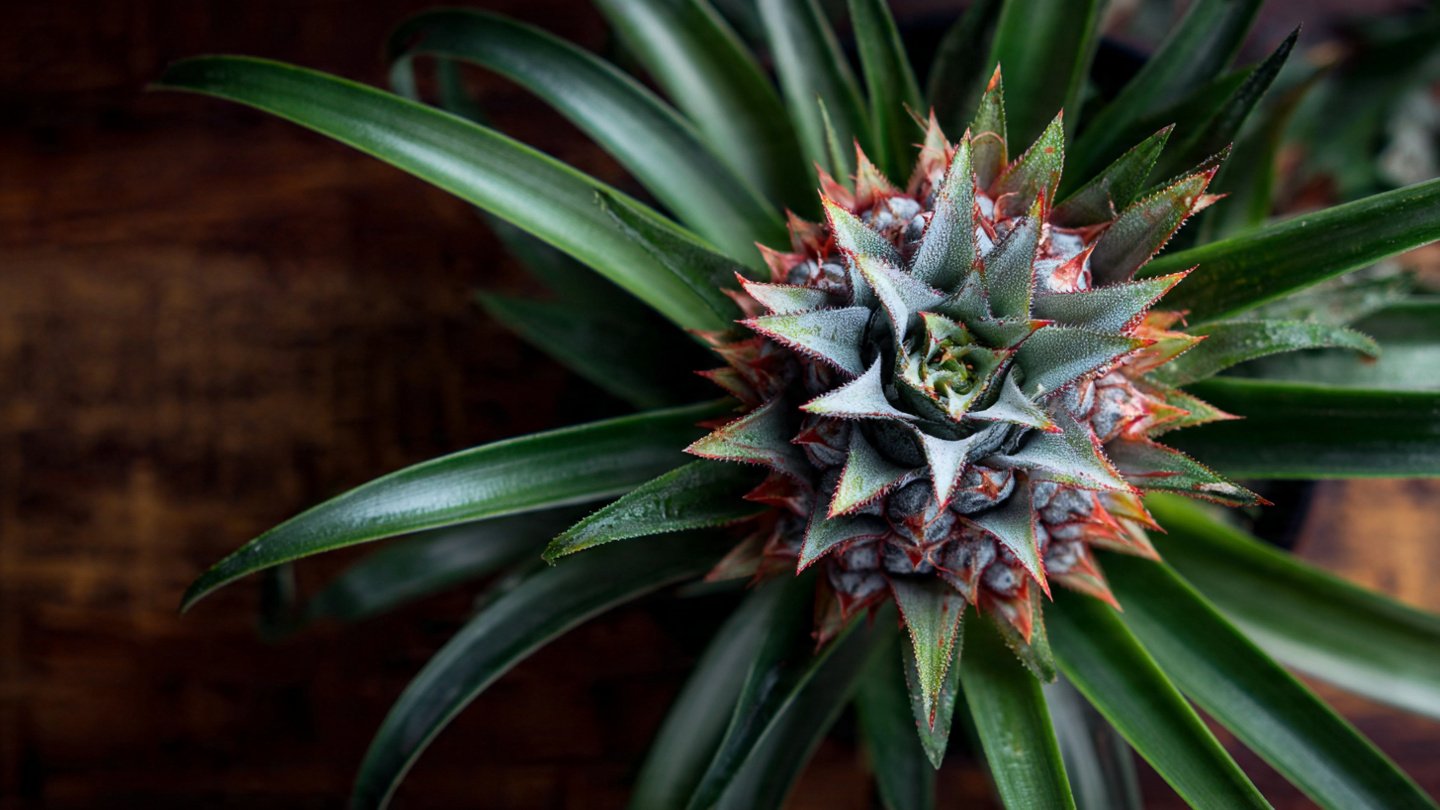

Growing your own pineapple from the top of a store-bought fruit is not only an enjoyable gardening project but also a rewarding experience that can provide you with delicious, home-grown pineapples in the future. This step-by-step guide will walk you through the process, from selecting the right pineapple to harvesting your very own fruit. Let’s dive into the exciting journey of cultivating a pineapple plant at home.
Understanding Pineapples
Before we delve into the growing process, it’s essential to understand some basic facts about pineapples:
1. What is a Pineapple?
Pineapples (Ananas comosus) are tropical plants that belong to the bromeliad family. They are native to South America and require a warm climate to thrive, making them popular in tropical and subtropical regions around the world. The pineapple fruit is not only delicious but also packed with nutrients, including vitamin C, manganese, and bromelain, an enzyme with anti-inflammatory properties.
2. Pineapple Growth Cycle
Pineapple plants typically take anywhere from 18 to 24 months to produce fruit, depending on the variety and growing conditions. The plant grows from a central crown, and after it flowers, the fruit begins to develop from the flower head.
Choosing the Right Pineapple
When selecting a pineapple for propagation, you should look for a fresh, healthy fruit. Here’s what to consider:
Ripeness: Choose a pineapple that is ripe but not overripe. You can identify a ripe pineapple by its sweet aroma near the base and a slight give when you squeeze it. The color should be a vibrant yellow, though the exact shade can vary among varieties.
Crown: Check for a healthy crown. The leaves should be green and firm, without any signs of browning or wilting. Avoid fruits with a dried or damaged crown, as this can hinder root development.
Organic Options: If possible, select an organic pineapple. Conventionally grown pineapples may be coated with pesticides that can inhibit growth.
Preparing the Pineapple Crown
Once you’ve selected your pineapple, it’s time to prepare the crown for planting. Follow these steps:
Step 1: Remove the Crown
Using a sharp knife, carefully slice off the top of the pineapple, making sure to include about an inch of the fruit. Take care not to cut into the crown itself, as this is what you will plant.
Step 2: Clean the Crown
Remove any excess fruit flesh from the base of the crown. This helps prevent rot when you plant it. You can carefully trim away the fruit using a knife. Leave about half an inch of the flesh attached to the base, ensuring the crown remains intact.
Step 3: Dry the Crown
After cleaning, place the crown in a dry area for 1 to 3 days. Allowing the cut end to callous over helps reduce the risk of rot once it’s planted.
Rooting the Pineapple Crown
There are two primary methods to root your pineapple crown: in water or in soil. Both methods have their benefits, but rooting in water is often easier for beginners.
Method 1: Rooting in Water
Fill a Container: Choose a glass or jar and fill it with water. Make sure the water level is deep enough to cover the base of the crown without submerging the leaves.
Place the Crown: Position the pineapple crown in the container, ensuring that only the base is submerged. The leaves should remain above water.
Provide the Right Environment: Place the container in a warm, sunny location, preferably near a south-facing window. Change the water every few days to prevent algae growth and to ensure the crown receives adequate hydration.
Wait for Roots to Develop: After about 2 to 4 weeks, you should see roots forming. Once the roots are at least 2 to 3 inches long, the crown is ready to be transplanted into soil.
Method 2: Rooting in Soil
Prepare a Pot: Choose a small pot with drainage holes and fill it with a well-draining potting mix, like cactus mix or a combination of potting soil and perlite.
Plant the Crown: Make a small hole in the center of the soil and place the base of the crown into the hole. Firm the soil around it to provide support.
Water: Give the soil a light watering to help settle it around the crown.
Create a Humid Environment: To encourage rooting, cover the pot with a plastic bag or a clear plastic container to maintain humidity. Open it occasionally for ventilation.
Place in a Sunny Spot: Position your pot in a warm, bright location, keeping it out of direct afternoon sun to avoid scorching.
Transplanting the Rooted Crown
Once the roots are well-established (about 2 to 3 inches long) using either method, it’s time to transplant the crown into a larger pot or garden bed:
Step 1: Choose a Suitable Pot or Location
If you’re planting in a pot, opt for one that is at least 8 to 10 inches in diameter. If planting outdoors, ensure the location is sunny and has well-draining soil.
Step 2: Prepare the Planting Hole
If planting in the garden, dig a hole that is slightly larger than the root ball of the pineapple crown. The soil should be loose and enriched with compost or organic matter.
Step 3: Transplant
Carefully remove the rooted crown from the water or pot and gently place it into the prepared hole or pot. Fill in the sides with soil, ensuring the base of the crown is at soil level.
Step 4: Water Thoroughly
Water the transplanted crown well, ensuring the soil is moist but not soggy. This initial watering helps settle the soil around the roots.
Care and Maintenance
Growing a pineapple requires patience and care. Keeping the plant healthy will ultimately lead to a successful fruit yield.
1. Sunlight Requirements
Pineapples thrive in bright, indirect sunlight. In ideal conditions, they will need about 6 to 8 hours of sunlight daily. If grown indoors, rotating the pot every few weeks can help ensure even growth.
2. Watering
Water your pineapple plant when the top inch of soil feels dry. Ensure proper drainage to prevent waterlogging, which can lead to root rot. During the growing season, a regular watering schedule is essential, while in the dormant season, reduce watering.
3. Fertilizing
Use a balanced fertilizer designed for fruiting plants every 4-6 weeks during the growing season (spring to early summer). Be careful not to over-fertilize, as this can lead to salt buildup in the soil.
4. Pruning and Grooming
Remove any dead or damaged leaves to promote healthy growth. This also helps prevent diseases. If growing indoors, regularly check the leaves for pests.
Dealing with Challenges
As with any gardening endeavor, you may encounter challenges along the way. Here are some common issues and how to address them:
Pests: Pineapple plants can attract pests like mealybugs or aphids. Use insecticidal soap or natural remedies like neem oil to treat infestations.
Diseases: Root rot is a common problem caused by overwatering. Ensure your plant is in well-draining soil, and adjust your watering schedule as needed.
Slow Growth: If your pineapple isn’t growing as expected, it may be due to insufficient sunlight or nutrients. Reassess its environment and make adjustments accordingly.
Harvesting Your Pineapple
After about 18 to 24 months, your pineapple plant may start to flower, and eventually, you’ll see fruit development. Here’s what to expect during the fruiting phase:
Flower Development: Pineapple flowers are typically an array of striking blue or purple spikes, depending on the variety.
Fruit Formation: Once the flowers are pollinated, a single fruit will form at the center of the plant. This process can take several months.
How to Know When It’s Ready
Pineapples do not continue to ripen after being picked, so it’s crucial to harvest at the right time:
Color Change: The fruit will change color, usually from green to golden-yellow, indicating ripeness.
Fragrance: A ripe pineapple emits a sweet, tropical aroma.
Feel: Gently squeeze the fruit; a ripe pineapple will give slightly.
Harvesting Tips
Use a sharp knife to cut the pineapple from the plant. It’s best to leave a bit of stem attached to prevent damage to the fruit.
Conclusion
Growing a pineapple from the top of a store-bought fruit is a fun and rewarding endeavor that can yield sweet results with a little patience and care. Whether you choose to root your crown in water or soil, ensure it receives adequate sunlight, warmth, and nutrients. With time and effort, you’ll find yourself enjoying the unique experience of harvesting your very own home-grown pineapple, offering a sense of achievement that goes beyond simply enjoying its delicious flavor. So, grab a pineapple and start your gardening adventure—nature has a wonderful way of rewarding our efforts!