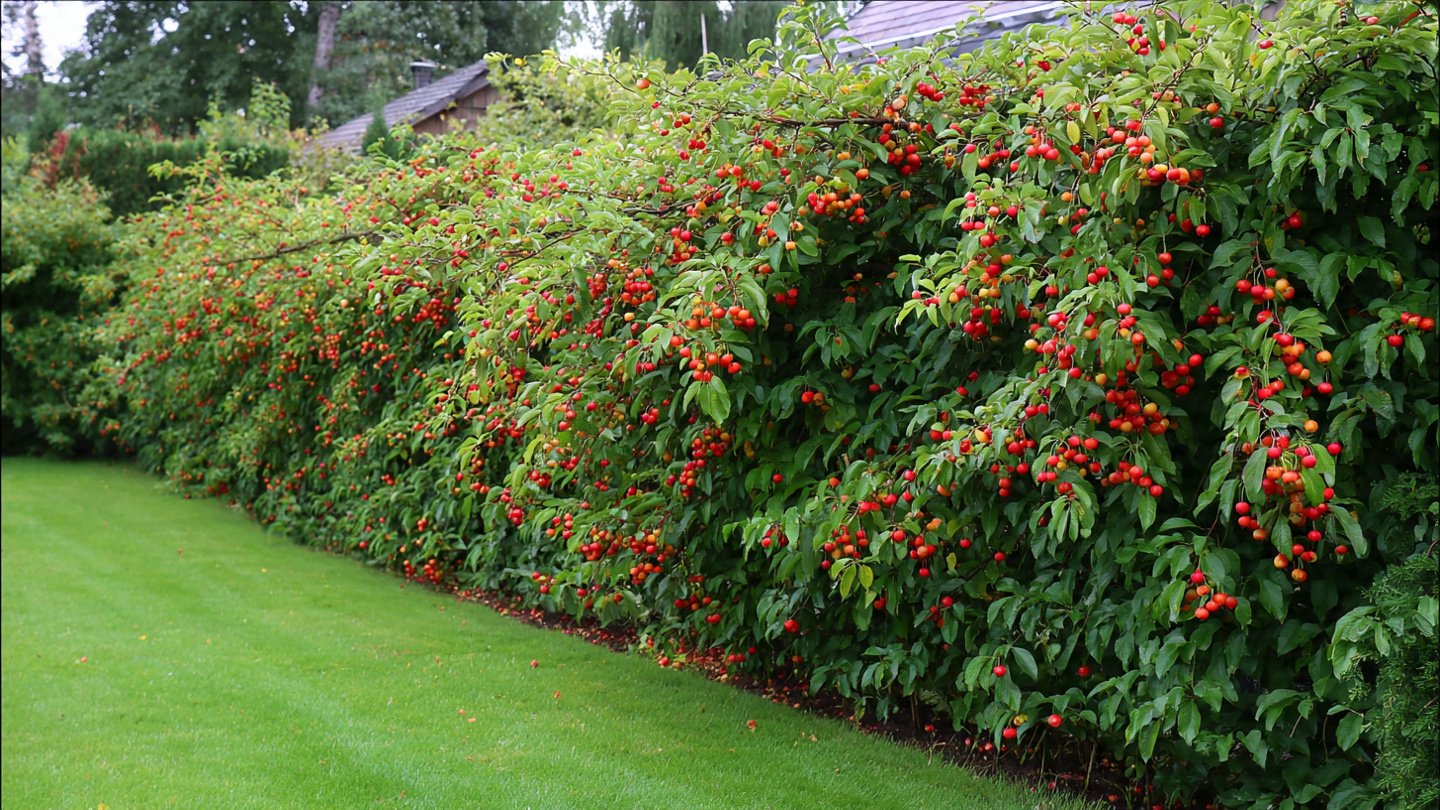

In an ever-urbanizing world, finding ways to create private spaces in our backyards becomes essential. A living fence made of fruit-bearing plants not only offers seclusion but also transforms your outdoor area into a lush, edible paradise. This article will guide you through the steps to create a vibrant, fruit-packed living fence that ensures your privacy while beautifying your property.
Understanding Living Fences
A living fence, unlike traditional fences, is composed of living plants that grow together to form a barrier. These can range from simple hedgerows to complex arrangements of various species. The advantages of living fences include:
- Natural Aesthetic: They offer a more visually appealing option than standard fences.
- Environmental Benefits: They provide habitats for wildlife and help improve air quality.
- Food Production: Get ripe fruits right in your backyard.
Selecting the Right Plants
When planning your fruit-packed living fence, consider plants that grow well in your local climate and soil conditions. Here are a few excellent choices:
1. Berry Bushes
Berry bushes like raspberries, blackberries, and blueberries can grow densely. They not only provide privacy but also colorful, sweet fruits. These plants can be pruned easily, allowing you to maintain their shape and height.
2. Espaliered Fruit Trees
Espalier is a pruning technique that allows trees to grow flat against a wall or fence. Consider varieties like apple or pear trees. They can grow vertically and will bear a plethora of fruit while providing the necessary privacy.
3. Grapevines
Grapevines can be trained to grow on trellises or arbors. They create a dense privacy screen and yield delicious grapes. Select varieties that thrive in your climate to ensure a successful yield.
4. Figs
Figs are hardy and can grow into a substantial hedge. Their broad leaves create an effective privacy barrier, while the sweet fruit adds to the bounty.
5. Citrus Trees
Citrus trees like lemons, limes, and oranges not only provide fragrant blossoms but also delicious fruits. Depending on your climate, certain dwarf varieties can be perfect for creating a living fence.
Designing Your Living Fence
The design of your living fence will determine how effective it is at providing privacy and fruit production. Here are some tips:
1. Plan for Height
Consider how tall you want your living fence to be. Taller plants like apple trees or fig bushes can provide better privacy compared to shorter berry bushes. A layered approach, with taller varieties on the inside and shorter ones outside, can create a dynamic and effective barrier.
2. Create Density
Plant your chosen species close together to form a thick hedge. This will ensure that the plants grow into a solid wall rather than a sparse border. Pay attention to the growth habits of each plant to ensure they won’t crowd each other out.
3. Incorporate Variety
Diversity in plant selection can improve your harvest. Diverse plants can also attract a wider range of pollinators, ensuring better fruit production. Choose varieties that bloom at different times to extend your harvest season.
Planting and Maintenance Tips
Once you’ve planned your living fence, it’s essential to ensure a healthy growth process:
1. Soil Preparation
Before planting, test your soil. Enrich it with compost or organic matter as needed. Well-drained soil is essential for the longevity and health of your plants.
2. Watering
Newly planted fences will need consistent watering until established. Drip irrigation systems can be beneficial, providing consistent moisture without overwatering.
3. Mulching
Mulch can help retain soil moisture and suppress weeds. Organic mulch will also enrich the soil as it breaks down, benefiting plant health over time.
4. Pruning and Training
Regularly prune and train your plants to maintain desired shapes and sizes. For espaliered trees, selectively prune for a denser growth against the trellis.
5. Pest Management
Keep an eye out for pests that may affect your plants. Utilize organic pest management solutions to protect your fruit while ensuring a healthy environment.
Harvesting and Enjoying Your Fruits
One of the most rewarding aspects of a fruit-packed living fence is the ability to harvest your fruits. Ensure you pick your fruits at their peak ripeness for the best flavor. Use the fruits directly or preserve them for later use, enriching your diet with fresh, home-grown produce.
Conclusion
Creating a fruit-packed living fence is a beautiful way to enhance privacy, improve your property’s aesthetics, and enjoy homegrown fruits. It requires a thoughtful selection of plants, careful planning, and ongoing maintenance to ensure that your living fence thrives. Whether you prefer the sweet juiciness of berries or the tangy zest of citrus, a well-designed living fence can contribute to a delicious and private outdoor space.
FAQs
1. How long does it take for a living fence to grow?
The time it takes for a living fence to establish depends on the type of plants used. Fast-growing varieties like berry bushes can start producing fruit in as little as 1-2 years, while trees may take several years to reach their full potential.
2. Do living fences require a lot of maintenance?
While living fences do require some maintenance, including watering, pruning, and pest control, they can be relatively low maintenance once established. Choosing native plants can also reduce upkeep.
3. Can I mix different types of plants in my living fence?
Absolutely! Mixing different types of plants can improve ecological balance, enhance visual appeal, and result in a diverse harvest. Just make sure the plants have similar sunlight and soil requirements.
4. What is the best time to plant a living fence?
Early spring or fall is generally the best time to plant a living fence. Planting during these seasons gives plants time to establish roots before the hotter summer months or cold winters.
5. Can I use a living fence for more than just privacy?
Yes, a living fence can serve multiple purposes, including wind protection, noise reduction, and habitat creation for local wildlife. Additionally, it can enhance the beauty of your garden while providing a sustainable source of food.