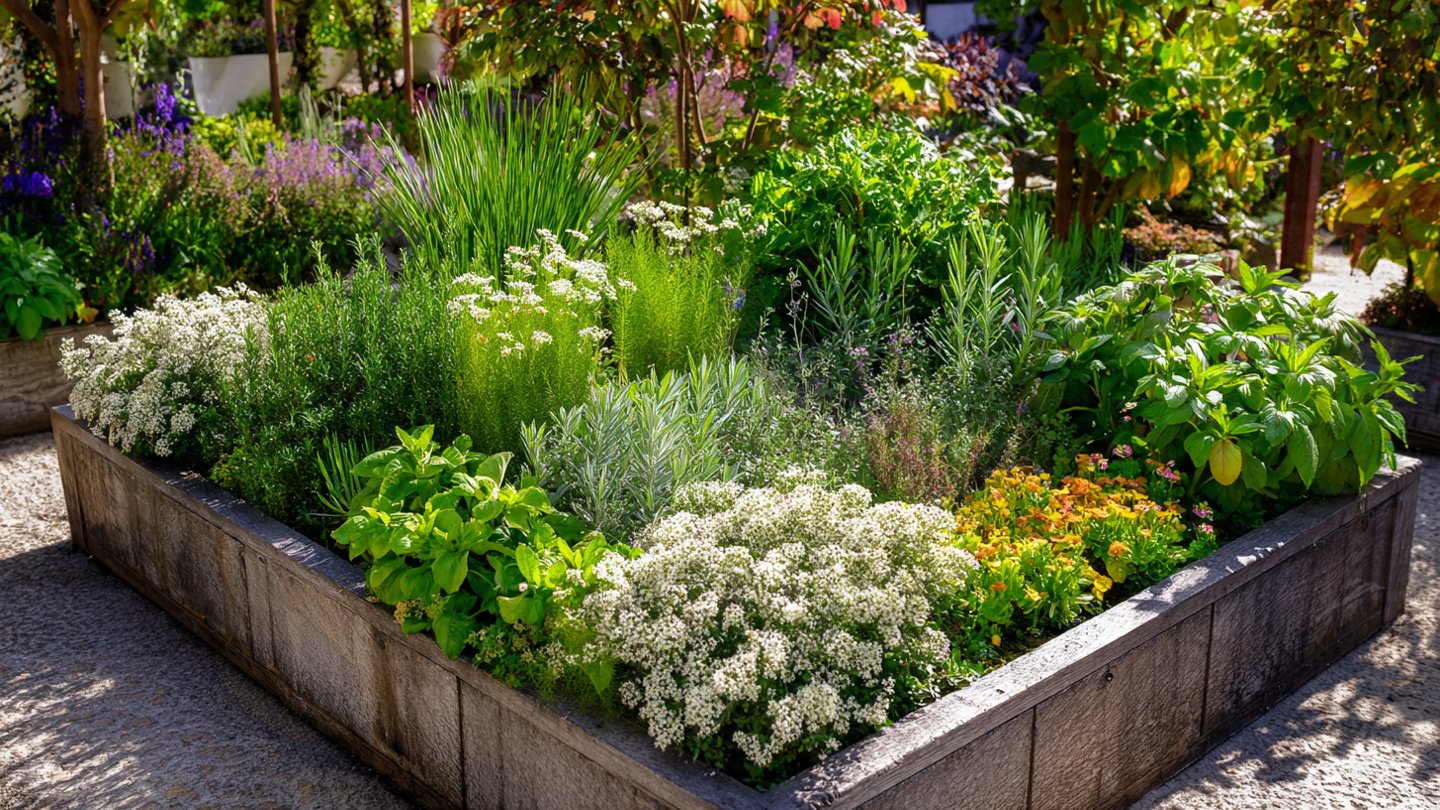

Creating a beautiful herb and flower garden in a small box is a rewarding endeavor that can enhance your living space, provide culinary delights, and bring a splash of color to your surroundings. Even with limited space, cultivating a thriving garden is entirely achievable. Below, we’ll guide you through the essential steps and considerations for creating a stunning herb and flower garden in a small box.
Understanding Your Space
Choosing the Right Container
When it comes to a small box garden, container selection is essential. You can use wooden crates, decorative pots, or even repurposed items like old wheelbarrows or tin cans. Ensure your container has sufficient drainage holes to prevent water from pooling, which can rot plant roots.
Size Matters
The size of your container should depend on the types and number of plants you wish to grow. For a mix of herbs and flowers, a box measuring 24” x 12” x 12” is a manageable choice. This size allows for adequate space while ensuring that your garden is not overwhelming.
Selecting the Right Plants
Choosing Herbs
When selecting herbs, think about your culinary preferences and what you frequently use in your cooking. Here are some excellent choices for a small garden:
- Basil: A favorite for Italian dishes, basil loves warm weather and requires ample sunlight.
- Parsley: This versatile herb is great for garnishing and cooking. It can tolerate partial shade.
- Chives: With a mild onion flavor, chives are easy to grow and require minimal attention.
- Thyme: A hardy herb that thrives in dry conditions, thyme is perfect for flavoring meats and vegetables.
Choosing Flowers
For flowers, consider both aesthetics and how they can complement your herbs. Here are some lovely options:
- Nasturtiums: These vibrant flowers are edible and attract pollinators like bees.
- Marigolds: Known for their pest-repelling qualities, marigolds are a bright addition to any garden.
- Pansies: With their rich colors and charming faces, pansies can brighten up your garden.
- Borage: This unique flower has beautiful blue star-shaped blooms and is also edible.
Preparing the Soil
The foundation of a successful garden lies in its soil. Start by selecting a high-quality potting mix that is lightweight yet nutrient-rich. Avoid garden soil, as it can compact in containers and hinder drainage.
Soil Amendments
Consider adding the following amendments to your potting mix:
- Compost: Adding compost provides nutrients and enhances the soil’s texture.
- Perlite or Vermiculite: These materials improve soil aeration and drainage, ensuring healthy root growth.
Planting Your Garden
Timing is Key
Planting times can vary based on your local climate. Generally, herbs can be sown in spring; however, some, like parsley, can be started in late summer for a fall harvest.
Plant Arrangement
When planting, consider the height and spread of each plant:
- Tall Plants: Position taller plants, like chives and nasturtiums, toward the back or center of the box.
- Medium Plants: Place herbs like basil and parsley in the middle, ensuring they receive adequate sunlight.
- Low-Growing Plants: Use the front of the box for shorter plants, such as thyme and pansies.
Spacing
Follow the recommended spacing on the seed packets or tags. This allows each plant enough room to grow without overcrowding, which can lead to poor air circulation and disease.
Caring for Your Garden
Watering
Proper watering is critical for your garden’s success. Small box gardens can dry out quickly, especially in warm weather. Water thoroughly until it drains from the bottom of the container, and check the moisture level several inches down in the soil.
Providing Light
Ensure your garden receives adequate sunlight. Most herbs and flowering plants thrive in full sun (6–8 hours of light daily), so place your container in a location that maximizes exposure.
Fertilizing
Regular feeding can boost your plants’ health. Use a balanced, water-soluble fertilizer every 4 to 6 weeks during the growing season. Avoid over-fertilizing, as this can lead to excessive foliage growth at the expense of flowers and flavor.
Pest Management
A small garden can be susceptible to pests, but there are natural ways to manage them:
- Companion Planting: Introduce pest-repelling flowers, like marigolds, alongside your herbs.
- Neem Oil: This natural pesticide can be sprayed on plants to deter common pests without harming beneficial insects.
- Physical Barriers: Use row covers to protect young plants from pests.
Harvesting Your Crops
Regular harvesting encourages growth and prevents overcrowding. Begin by snipping leaves from herbs, allowing them to regenerate. For flowers, remove blooms periodically to promote new flowers and keep the plants healthy.
Seasonal Care
Adjust your care as seasons change:
- Summer: Increase watering frequency and provide shade during extreme heat.
- Fall: As temperatures cool, consider bringing container plants indoors or covering them to protect from frost.
- Winter: Assess plants regularly and trim back any dead foliage to encourage new growth in spring.
Creating a Beautiful Aesthetic
Design Elements
To create a visually appealing garden, think about design elements such as:
- Color Coordination: Choose a color scheme that complements your home or outdoor space. Consider using a mix of warm and cool colors for contrast.
- Vertical Interest: Incorporate trellises or stakes for climbing flowers like nasturtiums, adding vertical visual interest.
- Decorative Elements: Add decorative stones, small sculptures, or fairy lights to enhance the charm of your garden.
Conclusion
Creating a beautiful herb and flower garden in a small box is both a fulfilling and enriching experience. Not only does it allow you to enjoy fresh herbs and stunning flowers, but it also enhances your living environment, promotes sustainability, and encourages mental well-being. With the right planning, care, and creativity, your small box garden can thrive and bring joy to your home.
Dedicate some time to understanding your space, selecting your plants, and ensuring they receive the love they need. With patience and care, your small box garden will flourish, turning a small area into a vibrant oasis. Happy gardening!