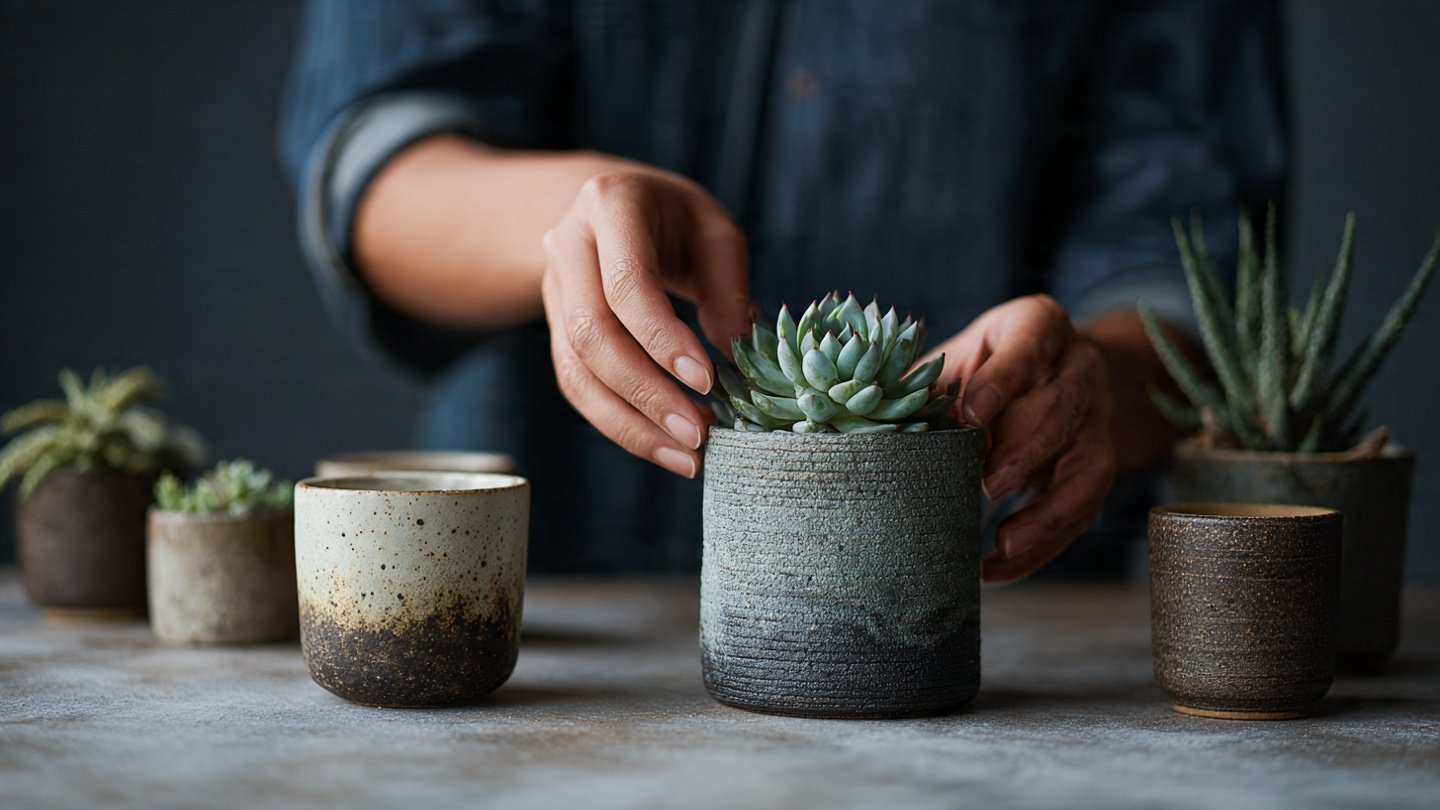

Choosing the right pot size for plants is crucial for their health and growth. Whether you’re an experienced gardener or a novice, understanding how to select the appropriate pot can make a significant difference in achieving lush greenery and vibrant blooms. This article will guide you through the essential factors to consider when choosing pot sizes, ensuring your plants thrive beautifully.
Understanding Plant Needs
Every plant species has unique requirements regarding space, soil, and moisture. Researching the specific needs of your plants is the first step in selecting the right pot size. Here are a few key aspects to consider:
- Root Structure: Different plants have varying root systems. For example, plants with deep taproots will need deeper pots, while shallow-rooted plants can thrive in smaller, shallower pots.
- Growth Habit: Consider whether the plant grows upright or spreads out. Tall plants may require taller pots for stability, while spreading plants benefit from wider pots.
- Soil Volume: The volume of soil in the pot affects moisture retention and nutrient availability. Larger pots hold more soil, allowing plants to grow bigger and healthier.
The Importance of Drainage
Drainage is a critical factor that can impact a plant’s health. Poor drainage can lead to root rot and other issues. Here’s how to ensure your pot has proper drainage:
- Drain Holes: Always choose pots with adequate drainage holes at the bottom. This allows excess water to escape, preventing soggy soil.
- Drainage Layer: Adding a layer of gravel or broken pottery pieces at the bottom of the pot can help improve drainage further.
- Soil Composition: Use well-draining soil mixes tailored for your specific plants. Mixing in perlite or vermiculite can enhance drainage as well.
Measuring the Perfect Pot Size
So how do you measure for the perfect pot size? Here are some guidelines:
Transplanting Considerations
When moving a plant from its original container to a larger one, consider the following:
- One Size Up: Generally, when transplanting, choose a pot that is 1-2 inches wider in diameter than the current pot.
- Root Ball Size: Ensure the new pot can comfortably accommodate the root ball. Adequate space allows for healthy growth and development.
Container Planting
For container gardening, pot sizes vary greatly. Here’s a simple approach:
- Small Plants: Use pots that are around 6-8 inches in diameter for herbs or small flowering plants.
- Medium Plants: For medium-sized plants, aim for pots between 10-12 inches in diameter.
- Large Plants: For larger plants like tomatoes or small shrubs, consider pots that are 14 inches or larger.
Choosing the Right Material
The material of the pot also affects moisture levels and root health. Here are common pot materials:
- Plastic: Lightweight and often affordable. They retain moisture well but may not provide as much breathability for roots.
- Clay: Terracotta pots allow for better breathability, promoting healthier roots but can dry out quicker.
- Metal: While stylish, metal pots can heat up quickly and may require additional insulation.
Adjusting for Environment
The environment where your plants will grow plays a crucial role in pot selection:
Indoor vs. Outdoor
Indoor plants often thrive in smaller pots, while outdoor plants may require larger, more stable pots to withstand wind and other elements. Consider the following:
- Indoor Conditions: Choose lighter-weight pots for easy mobility, considering aesthetics and how they fit into your living space.
- Outdoor Conditions: Consider larger pots for stability, particularly in windy areas, and ensure the material can withstand environmental elements.
Seasonal Planting Considerations
The season can influence the ideal pot size:
- Spring Planting: Often involves starting with smaller pots, allowing for easy handling and substantial growth before transplanting.
- Summer Plants: Larger pots can support bigger varieties that need more room and nutrients during their growing season.
Conclusion
Selecting the perfect pot size is an essential aspect of plant care that directly influences growth and health. By understanding the needs of your plants, considering their growth habits, ensuring proper drainage, and accounting for environmental factors, you can make informed decisions that will lead to successful gardening. Remember, healthy plants start with the right pot, so take your time to measure, research, and invest in the best options for your green companions.
FAQs
What happens if I choose a pot that is too small?
A pot that is too small can restrict root growth, leading to stunted plants and water retention issues, resulting in poor health.
Can I reuse old pots for new plants?
Yes, but make sure to clean them thoroughly to avoid transferring any diseases or pests to the new plants.
Should I always choose the largest pot possible?
No, while larger pots hold more soil and moisture, pots that are too large can lead to overwatering. Choose a size that matches the needs of your plant.
How do I know if my plant needs a bigger pot?
Signs include roots growing out of the drainage holes, stunted growth, and soil drying out too quickly. If any of these occur, it might be time to repot.