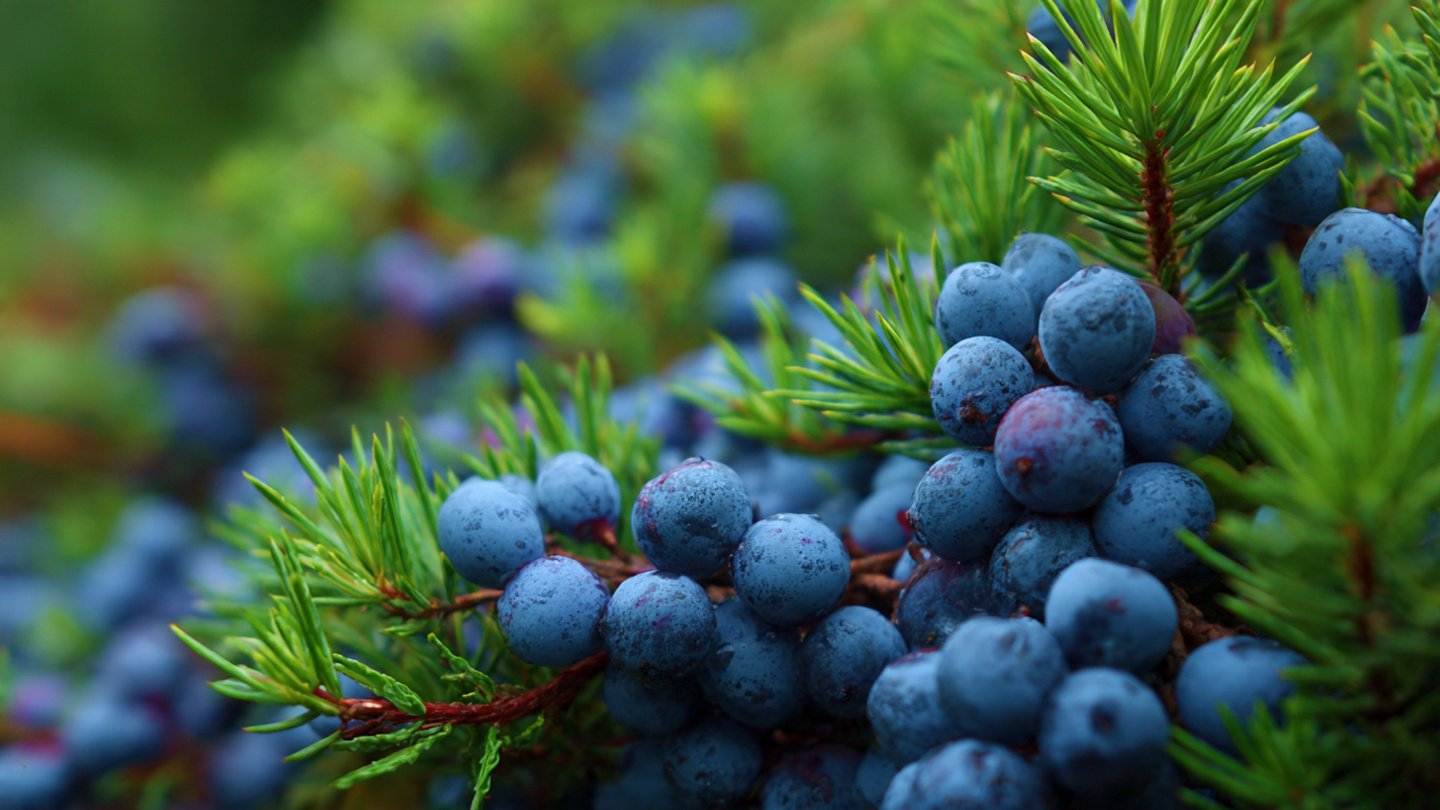

The Importance of Soil Acidity for Blueberry Bushes
Blueberry bushes (Vaccinium spp.) are unique in their soil requirements, thriving best in acidic conditions with a pH ranging from 4.5 to 5.5. This acidic environment allows the plants to absorb nutrients effectively, contributing to healthy bush growth and abundant fruit production. One common landscaping solution to enhance soil acidity is the use of pine needles.
Pine Needles: A Natural Mulch
Pine needles serve as an excellent natural mulch for various plants, particularly for acid-loving plants like blueberries. As they decompose over time, they gradually acidify the soil, enhancing its suitability for blueberry growth. Mulching with pine needles also provides additional benefits beyond soil acidity.
Benefits of Using Pine Needles Around Blueberry Bushes
- Soil Acidity: Pine needles add organic matter to the soil, promoting acidity as they break down.
- Moisture Retention: They help retain soil moisture, reducing the frequency of watering.
- Weed Suppression: A layer of pine needles can suppress weed growth, preventing competition for nutrients.
- Temperature Regulation: Pine needle mulch helps regulate soil temperature, creating a consistent environment for root growth.
- Soil Structure Improvement: As organic material decomposes, it improves soil structure, leading to better aeration and drainage.
How to Use Pine Needles for Blueberry Bushes
Using pine needles around your blueberry bushes is simple. Follow these steps to maximize their effectiveness:
- Gather Pine Needles: Collect fresh pine needles from your yard or obtain them from local sources.
- Prepare the Area: Clear any existing weeds or debris around your blueberry bushes.
- Apply the Mulch: Spread a layer of pine needles 2-4 inches deep around the base of the bushes, keeping the mulch away from the stems to prevent rot.
- Monitor and Maintain: Check the mulch level periodically and add more as necessary, especially after heavy rainfall or wind.
Composting Pine Needles
For gardeners looking to enhance their soil further, composting pine needles is a fantastic option. Adding them to a compost bin can enrich the overall nutritional profile of your compost, which can then be used to nourish your blueberry bushes and other plants:
- Balance Carbon-to-Nitrogen Ratio: Pine needles are high in carbon, so it is crucial to balance them with nitrogen-rich materials like grass clippings or kitchen scraps.
- Shred for Faster Decomposition: Shredding pine needles can speed up the decomposition process, resulting in nutrient-rich compost more quickly.
- Use in Compost Tea: Brewing a compost tea from well-aged compost containing pine needles can provide a nutrient boost to your blueberry plants.
Environmental Benefits of Using Pine Needles
Utilizing pine needles for your blueberry bushes is not just beneficial for the plants; it also has positive environmental impacts:
- Waste Reduction: Recycling pine needles instead of sending them to landfills can reduce waste.
- Carbon Sequestration: Pine trees absorb carbon dioxide as they grow, and using their needles helps retain that carbon in your garden.
- Biodiversity Support: A well-maintained garden encourages a diverse ecosystem, supporting various beneficial organisms.
Choosing the Right Type of Pine Needles
While any pine needles can be beneficial, some types offer unique advantages. Here are a few common types to consider:
- Eastern White Pine: These are long, soft needles that break down easily and offer excellent mulch.
- Red Pine: Also known for its durability and work well in various garden settings.
- Scots Pine: While these needles take longer to decompose, they provide excellent moisture retention.
Conclusion
Pine needles are a versatile and natural resource that can dramatically transform your blueberry bushes’ health and productivity. By enhancing soil acidity, retaining moisture, and suppressing weeds, pine needles create an ideal environment for blueberries to flourish. Furthermore, they offer environmental benefits that contribute to a more sustainable gardening practice. Whether used as mulch or composted, incorporating pine needles into your blueberry gardening routine can yield bountiful results. So, the next time you trim your pine trees, consider the beneficial impact those needles can have on your blueberry bushes.
FAQs
Can I use pine needles for other plants?
Yes, pine needles are suitable for other acid-loving plants such as azaleas, rhododendrons, and certain varieties of roses.
How often should I apply pine needles around my blueberry bushes?
It is advisable to replenish the pine needle mulch annually or as needed, especially after heavy weather conditions that may wash them away.
Are there any downsides to using pine needles?
While pine needles have many benefits, excessive layering can create a thick mat that prevents water penetration. It’s essential to maintain an appropriate mulch depth of about 2-4 inches.
Will pine needles affect the pH of my soil?
Yes, as pine needles decompose, they can lower the soil pH, which is beneficial for blueberries. However, check your soil regularly to ensure the pH remains within the desired range.
How long do pine needles last as mulch?
Pine needles can last for several months, breaking down slowly compared to other organic mulches. Typically, they will last through a growing season before needing replenishment.