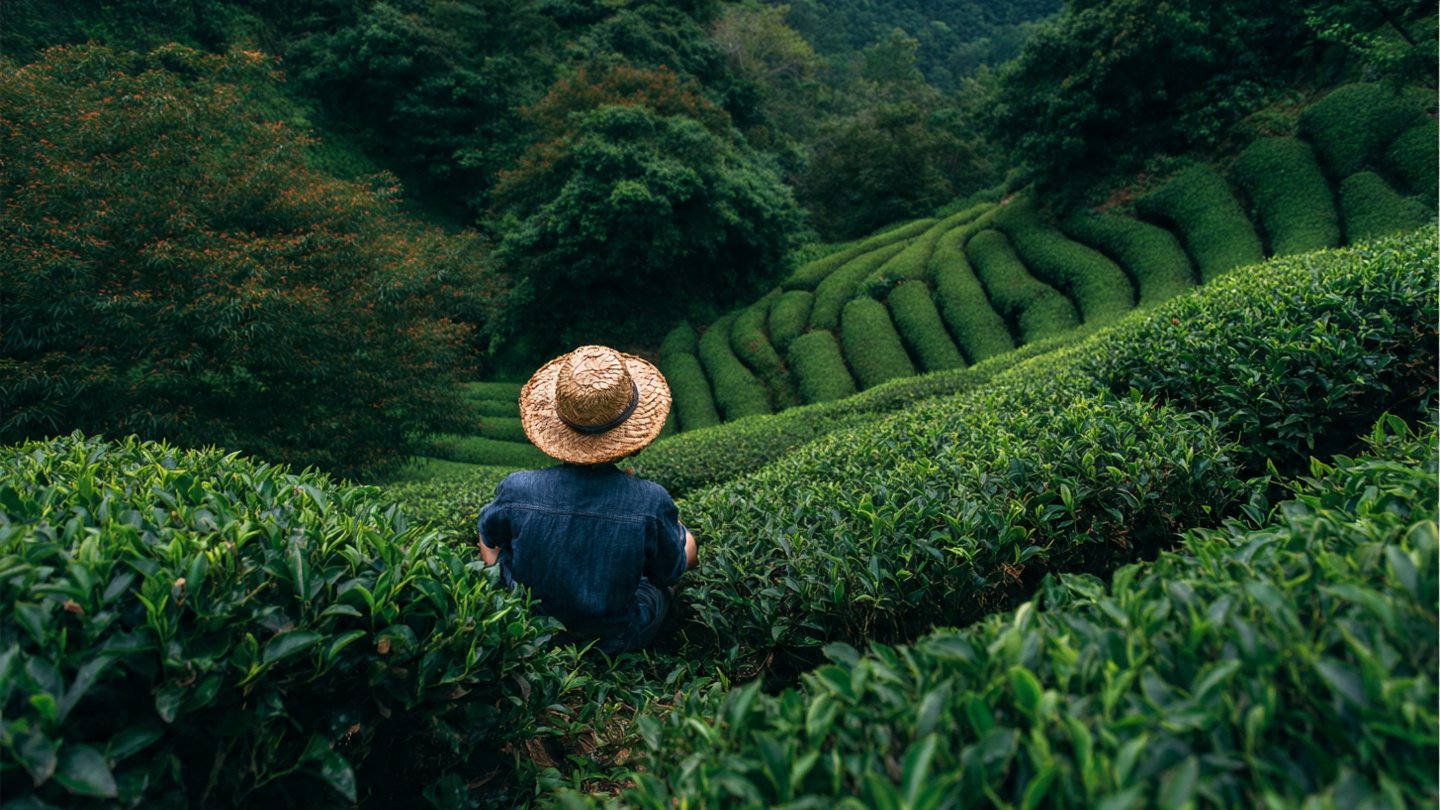

In an increasingly hectic world, the quest for peace and tranquility has become more important than ever. One way to foster a sense of calm is through the cultivation of a tea garden. This age-old practice not only connects individuals to the earth but also offers a therapeutic escape from daily stressors. In this article, we will explore how growing a tea garden can aid in stress reduction and help you find inner peace.
The Therapeutic Benefits of Gardening
Connection to Nature
Gardening inherently invites individuals to connect with nature. This connection has numerous psychological benefits. Studies have shown that spending time in green spaces can reduce anxiety, depression, and stress. The act of nurturing plants can create a sense of purpose and achievement, offering a break from daily worries.
When you choose to grow a tea garden, you immerse yourself in the beauty of nature. Whether it’s the smell of fresh tea leaves or the vibrant colors of blooming herbs, this sensory experience can evoke feelings of calm. According to research, interacting with nature can help lower cortisol levels, a hormone directly related to stress.
Mindfulness and Presence
Gardening encourages mindfulness—the practice of being present in the moment without judgment. When tending to a tea garden, the act of planting, pruning, and harvesting demands your full attention. This focus can offer a mental reprieve from the constant chatter of everyday life.
By concentrating on the details, you can cultivate a meditative state. You may find joy in the sound of the wind rustling through the leaves or the sight of a butterfly flitting by. These experiences ground you, allowing you to escape the past and future, fostering tranquility in the present.
Cultivating a Tea Garden: A Step-by-Step Guide
Choosing the Right Location
The first step in starting a tea garden is selecting the right location. Ideally, you want a spot that receives ample sunlight while also offering some protection from harsh winds. A south-facing garden bed is often ideal. Ensure the area is easily accessible, allowing you to spend time there.
Selecting Your Tea Plants
There are various types of tea plants to choose from, each offering unique flavors and benefits. Some popular options include:
Camellia sinensis: This is the primary plant used for traditional teas (green, black, oolong, and white). It thrives in well-drained, acidic soil.
Herbal Teas: Consider growing aromatic herbs such as mint, chamomile, or lemon balm. These plants not only smell wonderful but also provide various health benefits.
Soil Preparation and Planting
Healthy soil is essential for a thriving tea garden. Consider testing the pH and nutrient levels in your soil. Add organic matter, like compost, to enrich it. Once prepared, plant your tea plants or seeds according to the specific requirements of each type.
Taking the time to prepare the soil and nurture your plants can offer a meditative experience. The tactile nature of gardening encourages relaxation, as you dig your hands into the earth.
Maintenance and Care
Caring for your tea garden, including regular watering, weeding, and pruning, can be a fulfilling and mindful experience. The repetitive motions can provide a rhythmic meditation, allowing you to lose yourself in the task.
Observing the growth and development of your plants can also instill a sense of patience and appreciation. Watching a small seed grow into a robust plant offers a profound lesson in the cycles of life.
The Ritual of Tea
Harvesting and Brewing
The culmination of your efforts comes when you harvest your tea leaves. This process can be immensely satisfying, as you reap the benefits of your hard work. Harvesting can be a mindful activity, allowing you to reflect on the journey of your plants.
Brewing tea can also serve as a calming ritual. The act of measuring leaves, boiling water, and steeping creates a series of mindful steps. You can take this moment for yourself, allowing the warmth and aroma of tea to envelop you. Engage your senses and be present.
Tea and Mindfulness
Tea has long been associated with mindfulness practices in various cultures. The Japanese tea ceremony, for instance, emphasizes tranquility through preparation and consumption. You can integrate these practices into your life by creating your own meditative tea rituals.
The act of drinking tea can be an opportunity to pause, savor, and reflect. Allow each sip to remind you to be present, encouraging relaxation and peace of mind.
Stress Reduction Techniques
Exposure to Fresh Air and Sunlight
Spending time outdoors has been shown to improve mood and reduce stress. A tea garden provides ample opportunities to bask in the fresh air and sunlight. Exposure to natural light can boost serotonin levels, improving mood and reducing anxiety.
Physical Activity and Exercise
Gardening is inherently physical, offering a form of exercise that promotes wellness. Whether you are digging, planting, or weeding, these activities release endorphins—nature’s stress relievers. Engaging in regular physical activity has been linked to improved mental health, providing a natural antidote to stress.
A Space for Reflection
Creating a tea garden establishes a dedicated space for reflection. As you spend time in your garden, you may find clarity in your thoughts. The serene environment allows for introspection, helping you process your emotions and concerns effectively.
Community and Connection
Gardening can also foster community. Sharing your tea garden with friends or family members can help deepen relationships and create bonds. Consider hosting tea tastings or inviting loved ones to help tend to the garden. This shared experience can enhance feelings of connectivity and support.
Overcoming Challenges
Patience and Resilience
Gardening, including maintaining a tea garden, teaches valuable life lessons about patience and resilience. Not every plant will thrive, and challenges such as pests or adverse weather can arise. Navigating these issues gracefully can help you develop coping skills that extend beyond the garden.
Mindset and Perspective
The ups and downs of gardening foster a mindset of growth. When faced with challenges, you learn to adapt and find solutions, which can be applied to other areas of your life. This shift in perspective can be incredibly liberating, allowing you to approach stressors with a fresh outlook.
Additional Benefits of a Tea Garden
Health Benefits
Growing your own tea garden also has numerous health benefits. Herbal teas can be naturally caffeine-free and packed with antioxidants, supporting overall well-being. Regular tea consumption is linked to a variety of health benefits, including improved heart health, reduced inflammation, and enhanced cognitive function.
Sustainability and Environmental Impact
Creating a tea garden can contribute to sustainability and environmental health. By growing your own tea, you reduce reliance on commercial products, minimizing your carbon footprint. This conscious effort fosters a deeper connection to the ecosystem, promoting a sense of responsibility and peace of mind.
Conclusion
Cultivating a tea garden is more than just growing plants; it is an enriching practice that can significantly reduce stress and promote inner peace. By connecting with nature, engaging in mindful activities, and creating a space for reflection, the soothing effects of gardening can transform your mental landscape.
Whether you’re an experienced gardener or a novice, tending to a tea garden invites tranquility into your life. So grab your gardening tools, plant those tea seeds, and embark on a journey toward stress reduction and peace. Your tea garden awaits!