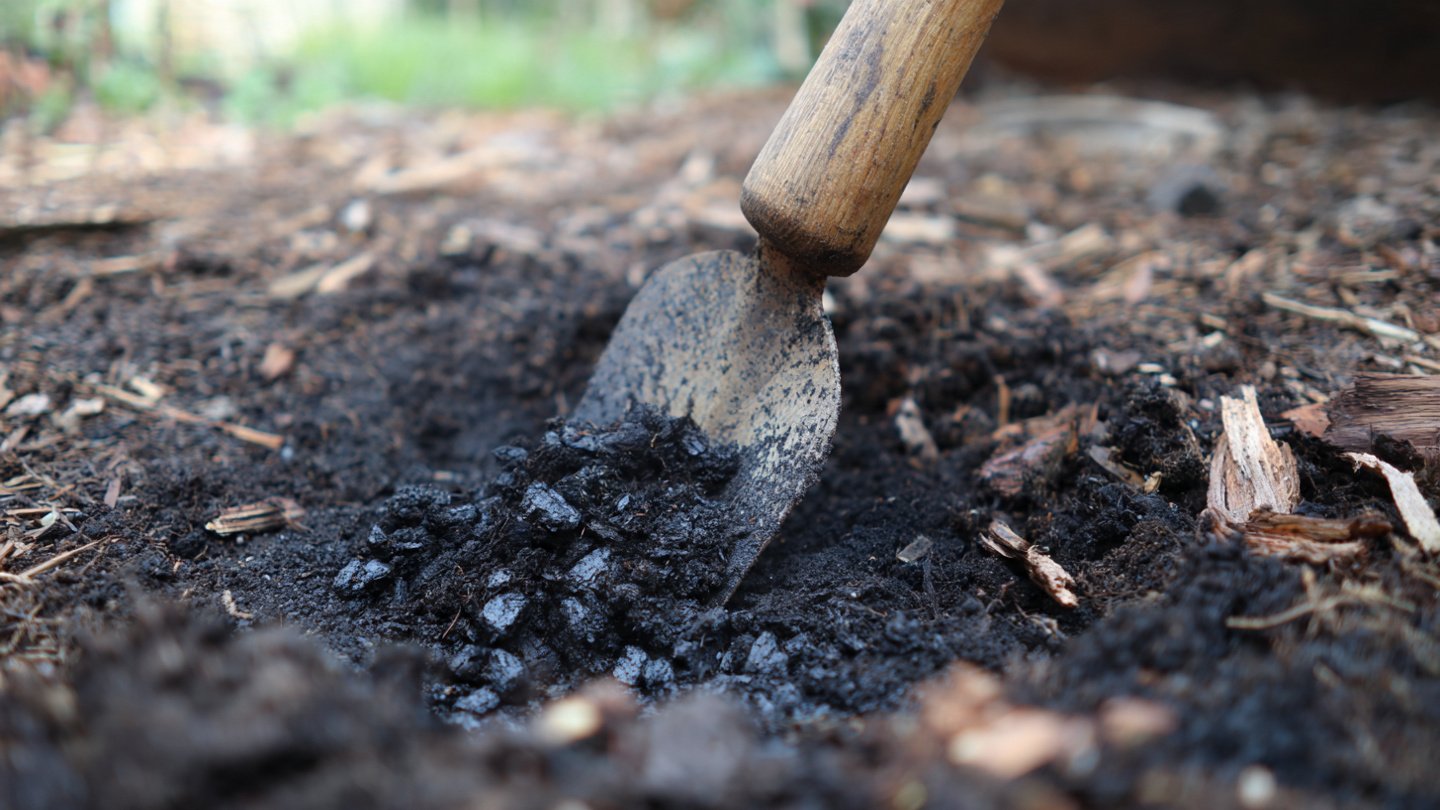

Gardening enthusiasts and professional horticulturists alike are continuously searching for ways to enhance soil health and promote sustainable practices. One innovative solution gaining traction is biochar—a charcoal-like substance produced from organic matter through pyrolysis. Not only does biochar improve soil quality, but it also aids in carbon sequestration, making it appealing for environmentally conscious gardeners. In this article, we will explore how adding biochar can transform your garden soil, the benefits it brings, and ways to incorporate it into your gardening routine.
What is Biochar?
Biochar is created through the pyrolysis process, which involves heating organic material—such as wood chips, crop residues, or manure—in the absence of oxygen. This process converts the biomass into a stable, carbon-rich product that can be added to soil. The porous structure of biochar enhances its effectiveness in various applications, particularly in agriculture and gardening.
Improving Soil Structure and Health
One of the primary benefits of adding biochar to your garden soil is its ability to improve soil structure. Biochar’s unique porous structure increases aeration and promotes better drainage, which is crucial in preventing waterlogged conditions and encouraging healthy root growth. The voids in biochar also provide habitats for beneficial soil microorganisms, creating a healthy ecosystem that further boosts soil fertility.
Moreover, the addition of biochar can enhance the soil’s ability to retain moisture, reducing the need for frequent watering. The porous nature of biochar enables it to absorb and hold water, making it available to plants during dry spells. This water retention is especially important for gardens in arid or drought-prone regions.
Enhancing Nutrient Retention
Biochar not only improves the physical properties of soil but also enhances its chemical properties. One of its significant advantages is increasing nutrient retention. Traditional soils often leach nutrients during heavy rains or through irrigation, making it challenging for plants to access these essential elements. Biochar, with its high surface area, can trap and hold nutrients such as nitrogen, phosphorus, and potassium, making them more available to plants.
Furthermore, biochar can help stabilize soil pH, allowing for a more balanced environment for nutrient availability. This is particularly beneficial for gardeners looking to grow a diverse range of plants, as different species often thrive in specific pH levels. By maintaining an optimal pH within the soil, biochar ensures that all nutrients remain accessible to various plants throughout the growing season.
Carbon Sequestration and Environmental Benefits
In addition to its agricultural benefits, adding biochar to garden soil contributes to carbon sequestration efforts. Biochar is a stable form of carbon that can remain in the soil for hundreds or even thousands of years, effectively reducing greenhouse gas emissions. By incorporating biochar into your gardening practices, you play a role in mitigating climate change and enhancing soil health simultaneously.
Biochar also reduces the need for chemical fertilizers, which can have adverse environmental effects. By retaining nutrients more effectively, biochar minimizes nutrient runoff into waterways, leading to healthier ecosystems and reducing the likelihood of algal blooms caused by nutrient pollution.
Using Biochar in Your Garden
Now that you understand the potential benefits of biochar, you may be wondering how to incorporate it into your garden. Here are some practical steps to effectively use biochar:
1. Choose the Right Biochar
Not all biochar is created equal. When selecting biochar for your garden, look for a product that has been produced from clean, sustainably sourced biomass. Avoid biochar made from treated or contaminated materials, as this can introduce harmful chemicals into your soil.
2. Prepare Your Soil
Before adding biochar to your garden, prepare the soil by loosening it and removing any debris. This will allow for better integration of biochar into the existing soil structure. Mix in the biochar at a rate of about 10-20% of the total soil volume, depending on your soil’s current condition and nutrient needs.
3. Activate the Biochar
To enhance the effectiveness of biochar, consider “activating” it before applying it to your garden. This can be done by soaking the biochar in compost tea, liquid fertilizers, or simply in water for a few days. Activating biochar helps it retain nutrients and beneficial microorganisms, making it more effective once added to your soil.
4. Regular Application
To maximize the benefits of biochar, make it a regular part of your soil amendment routine. Reapply biochar every couple of years or as needed, especially if you notice nutrient depletion in your garden. This ongoing effort will help maintain soil health and fertility over time.
Conclusion
Adding biochar to your garden soil can significantly transform its quality and vitality. With the ability to improve soil structure, enhance nutrient retention, and contribute to environmental sustainability, biochar presents a compelling solution for gardeners seeking to optimize their growing conditions. By incorporating biochar into your gardening practices, you not only nurture your plants but also contribute positively to the planet. The transformation comes not only from the benefits seen above but also from the long-term commitment to improving soil health and embracing sustainable gardening practices.
Frequently Asked Questions (FAQs)
1. Can I make my own biochar?
Yes, you can make your own biochar using a simple pyrolysis method in a controlled environment. However, ensure you’re using clean, untreated organic materials to avoid introducing harmful substances to your soil.
2. How long does biochar last in the soil?
Biochar can remain in the soil for hundreds to thousands of years, making it a long-lasting amendment that continues to improve soil health over time.
3. Will adding biochar affect the pH of my soil?
Biochar can help stabilize soil pH, but its effects depend on the type of biomass used to produce it. It’s best to test your soil pH before and after adding biochar to understand its impact.
4. How much biochar should I apply to my garden?
A general recommendation is to apply biochar at a rate of 10-20% of the total soil volume. However, it’s essential to consider your specific soil conditions and crop requirements.
5. Can biochar be used with other soil amendments?
Absolutely. Biochar works well with compost, manure, and other organic fertilizers, enhancing their effectiveness and improving overall soil health.