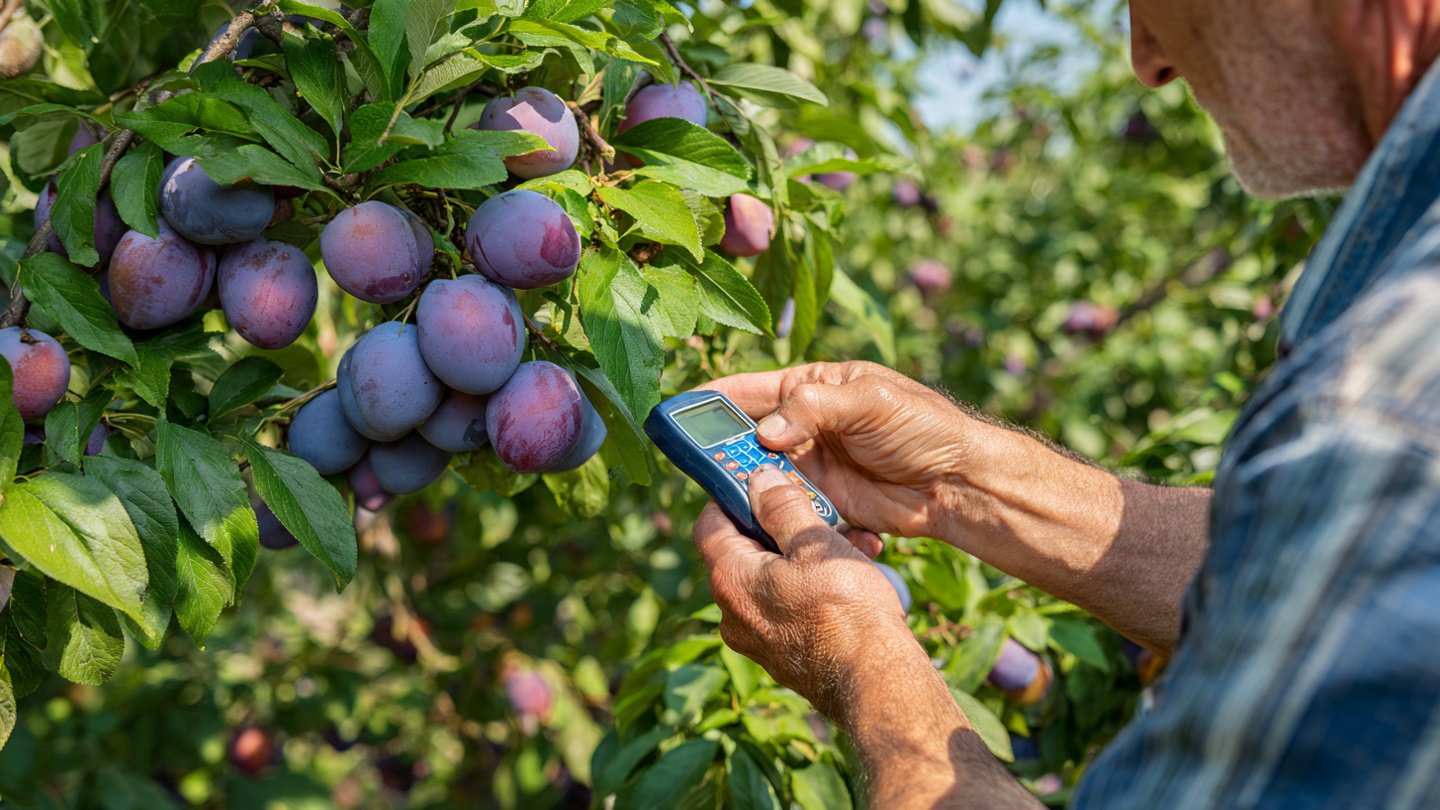

Gardening is a rewarding hobby that not only beautifies your space but also provides you with delicious, home-grown fruits. However, to maximize the enjoyment and benefits of your fruit harvest, it’s essential to understand the quality of what you’re picking. This is where a Brix meter comes into play. This little device can fundamentally transform your approach to harvesting fruit in your garden, ensuring that you not only pick when the fruit is ripe but also ensure its taste and sweetness are optimal.
What is a Brix Meter?
A Brix meter, also known as a refractometer, is a device that measures the sugar content in liquid, expressed in degrees Brix (°Bx). One degree Brix corresponds to 1 gram of sucrose in 100 grams of solution. For gardeners, this translates to the sweetness of fruits. By measuring the Brix level, you can determine when your fruits are at their peak sweetness and flavor.
Why Sugar Content Matters
Sugar content is a crucial factor in determining the taste and quality of fruits. When fruits reach their peak sugar levels, they also boast enhanced flavors, colors, and overall quality. High sugar content indicates that the fruit has ripened fully, allowing you to harvest at just the right moment. Picking fruit at the correct stage not only makes it more palatable but also improves its nutritional value.
How to Use a Brix Meter
Using a Brix meter is relatively straightforward, allowing even novice gardeners to become experts at measuring sugar content. Here’s a step-by-step guide:
1. Calibration
Before using your Brix meter, it’s essential to calibrate it. This usually involves placing a drop of distilled water on the prism. Ensure that the reading is zero. Calibration ensures that your measurements are accurate.
2. Sample Collection
Collect a small amount of juice from the fruit you wish to test. This can be done by crushing the fruit, or if you have access to a juicer, that works even better. You only need a drop or two for an accurate reading.
3. Measuring
Place the drop of juice on the prism of the Brix meter and close the cover. Look through the eyepiece. You will see a scale that indicates the sugar content. The reading you see indicates the Brix level of the fruit.
4. Interpreting the Results
Different fruits have varying optimal Brix levels for peak sweetness and taste. For instance, strawberries might be delicious at around 10-12°Bx, while peaches may peak at 12-16°Bx. Familiarizing yourself with the specific Brix levels of the fruits you grow in your garden will help you decide when to harvest.
Benefits of Using a Brix Meter
Incorporating a Brix meter into your gardening practices can offer numerous benefits:
1. Enhanced Flavor
One of the most significant advantages of using a Brix meter is the ability to harvest fruits at their peak flavor. This ensures that the taste of your fruits is exceptional, making them enjoyable for you and your family.
2. Improved Nutritional Value
Fruits that are harvested at their prime usually contain higher nutritional values, including vitamins and antioxidants, making your garden produce not just delicious but also healthy.
3. Precise Harvest Timing
A Brix meter takes the guesswork out of deciding when to pick your fruit. By monitoring the sugar content, you can create a schedule for harvesting, ensuring that you are not too early or too late in gathering your bounty.
4. Greater Yield
Harvesting fruits at their optimal Brix level can lead to better yields over time. When fruits are allowed to ripen fully before being picked, they are often more substantial, juicier, and less prone to spoilage. This leads to a more bountiful harvest overall.
5. Improved Selling Potential
For gardeners who sell their produce, quality is king. By using a Brix meter to ensure that fruits are harvested at peak sweetness, sellers can provide products that stand out for their rich flavors. This can lead to greater customer satisfaction and repeat business.
Best Practices for Using a Brix Meter
While using a Brix meter is an excellent way to elevate your fruit harvesting experience, several best practices can help you get the most out of this tool:
1. Consistent Measurements
To gauge the best harvesting times, consistently measure at regular intervals. This will help you build a timeline of when your fruits typically reach their optimal sweetness.
2. Document Your Readings
Keep a journal of your Brix readings along with the dates of your measurements and the growing conditions. Over time, this information will serve as a valuable resource, helping you refine your harvesting practices.
3. Understand Fruit Varieties
Different varieties of the same fruit may have different sugar content profiles. Research and understand the specific Brix levels for the varieties you are growing to make informed harvesting decisions.
4. Test Multiple Fruits
Don’t just test one piece of fruit; sample several from different locations on the plant. Fruits can ripen unevenly, so checking multiple samples will give you a better understanding of when to harvest.
5. Combine with Other Indicators
While a Brix meter offers valuable insight, combining its readings with other indicators of ripeness, such as color, firmness, and texture, will provide a more comprehensive understanding of optimal harvesting time.
Challenges and Considerations
While the benefits of using a Brix meter are numerous, it’s essential to keep a few challenges and considerations in mind:
1. Environmental Factors
Weather conditions can impact the sugar content of fruits. For example, a drought can lead to higher sugar levels, while excessive rain might dilute them. Be sure to consider environmental influences when interpreting your readings.
2. Calibrating Accuracy
If your Brix meter is not calibrated correctly or is damaged, your readings may be inaccurate. Regular checks ensure that your results are reliable.
3. Understanding Limitations
Not all fruits have a direct correlation between Brix levels and flavor. Some fruits may taste good even with a lower Brix score due to their acidity or other flavor compounds. Develop a holistic understanding of your fruits beyond just sugar content.
Harvesting Beyond the Meter
While a Brix meter is a fantastic tool, there’s more to harvesting than just measuring sugar content. Here are additional tips to enhance your harvesting experience:
1. Harvesting Technique
The way you harvest can impact the quality of the fruit. Ensure you handle fruits gently to avoid bruising, and use clean, sharp tools to prevent damage.
2. Post-Harvest Care
After harvesting, handle your fruits with care, clean them appropriately, and store them in optimal conditions. This will prolong their shelf life and maintain their quality.
3. Learn from Each Season
Each growing season presents new challenges and opportunities. Reflect on the different variables that influenced your harvest, and adjust your strategies for the next season for even better results.
Conclusion
A Brix meter can be a game-changer for your fruit harvesting experience. By accurately measuring sugar content, it empowers gardeners to make informed decisions about when to harvest, ensuring each fruit is picked at its peak flavor and quality. Coupled with proper harvesting techniques and a keen understanding of environmental variables, a Brix meter can enhance your gardening experience and lead to a more fruitful, rewarding harvest season after season.
Embrace this tool, and watch your home garden transform into a paradise of sweet, delicious fruits that you can enjoy or share with family and friends. As technology and gardening practices evolve, incorporating tools like the Brix meter offers a modern yet essential approach, marrying tradition with innovation for the garden of your dreams.