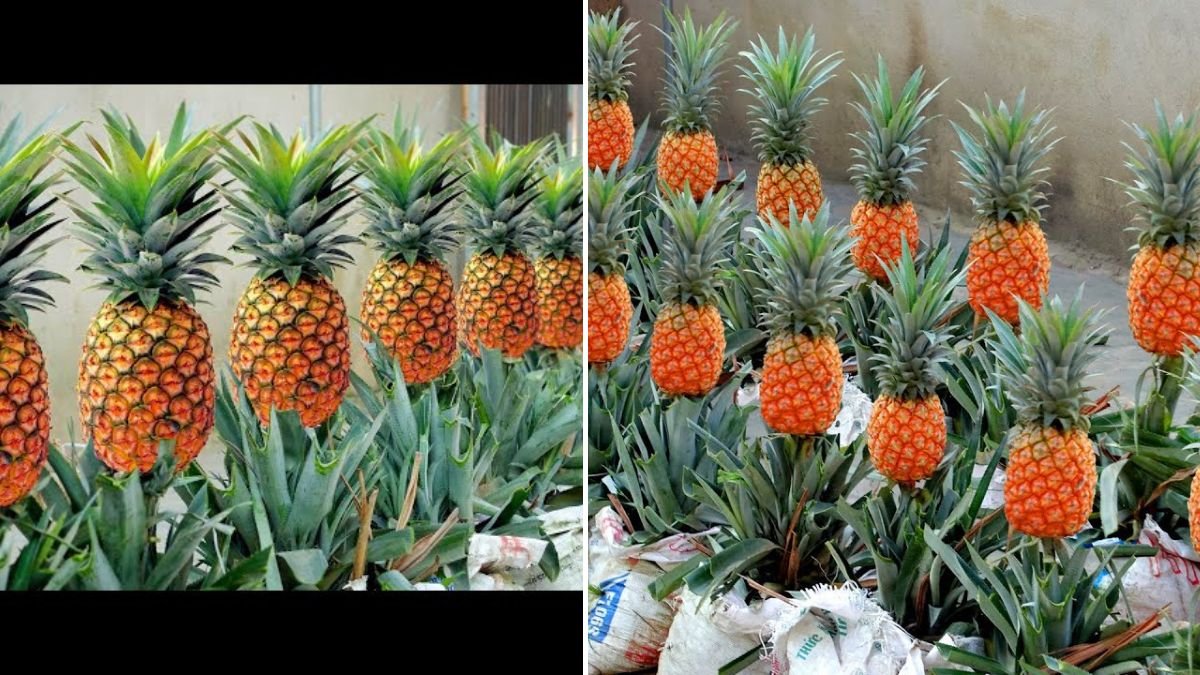

🍍 Why Pineapple Waste Matters
Globally, pineapple cultivation generates massive amounts of waste, including leaves, stems, peelings, and crowns. Most of these materials are discarded, often contributing to environmental pollution or greenhouse gas emissions. (futurematerialsbank.com)
However, pineapple waste is a valuable resource in multiple ways:
- Biofertilizer & Compost: Pineapple leaves and peelings are rich in organic matter that enhances soil fertility. Farmers and gardeners can compost them to improve plant growth. (frontiersin.org)
- Fiber & Industrial Use: Pineapple leaves can be processed into sustainable fibers used in textiles, paper, and other eco-friendly materials. (africanews.com)
- Low-Cost Growing Material: Home gardeners can use peelings, leaves, and crowns to start new plants without purchasing seeds or seedlings. (cognitud.com)
By recognizing pineapple “waste” as a resource, both commercial growers and home gardeners can reduce costs, cut down on waste, and create sustainable food systems.
🌱 How I Turned Pineapple Waste Into a Farm
One inspiring example comes from the YouTube video “Everyone’s Throwing This Away — I Used It to Grow a Pineapple Farm!” by TEO Garden (2025). In the video, the gardener demonstrates how a single pineapple crown — the leafy top most people discard — can grow into a full plant capable of producing fruit. (youtube.com)
The process involves simple, low-cost steps:
- Select a Healthy Crown: Choose a firm, green leafy top from a fresh pineapple. Avoid dried or rotten crowns.
- Prepare the Planting Medium: Use recycled soil, compost, or a mixture of potting soil and organic waste to provide nutrients.
- Plant the Crown: Remove any lower leaves and plant the crown in the soil, leaving the top leaves exposed.
- Water & Wait: Keep the soil moist but not soggy. Roots will develop in a few weeks, and the plant will continue to grow over the next several months.
This method illustrates the core idea of [FOCUS KEYWORD]: even items most people throw away can be transformed into productive crops with minimal effort.
🌿 Understanding Pineapple Growth
Pineapples are slow-growing tropical plants. A pineapple grown from a crown typically takes 12–24 months to produce fruit, depending on climate, soil, and care. While this may seem long compared to vegetables like tomatoes or potatoes, the reward is a large, nutritious fruit with minimal ongoing investment.
Key factors that influence growth include:
- Sunlight: Pineapples require full sun for at least 6–8 hours per day. This ensures strong growth and eventual fruiting.
- Watering: Consistent moisture is important, but avoid waterlogging, which can cause root rot.
- Soil Fertility: Composting leftover pineapple leaves or peelings enriches the soil, supporting healthy growth and fruit production.
With patience and proper care, even a small home setup can yield multiple pineapples over time.
🏡 Growing Pineapples Without a Traditional Garden
One of the most exciting aspects of [FOCUS KEYWORD] is that you don’t need a traditional garden to succeed. Pineapples can grow in containers, pots, or even vertical systems. This is especially useful for urban gardeners or those with limited space.
Container Tips:
- Choose a container with drainage holes to prevent waterlogging.
- Use recycled buckets, crates, or large pots.
- Layer soil and compost, leaving the top leaves exposed for photosynthesis.
Vertical Systems:
- Pineapple towers or stackable containers maximize space.
- Ideal for balconies, rooftops, or small patios.
- Encourages airflow and sunlight exposure, reducing pest problems.
By thinking creatively, even those without land can grow pineapples successfully.
💡 How to Repurpose Pineapple Waste for Sustainable Growth
Beyond using crowns to start new plants, pineapple waste can be leveraged in other ways to support growth:
- Composting: Peelings, leaves, and stems can be composted to create nutrient-rich soil. This reduces waste and supplies the plant with natural fertilizers.
- Mulching: Use dried pineapple leaves or shredded peelings as mulch to retain moisture and regulate soil temperature.
- Propagation: Some growers experiment with root cuttings from leaves or stems to propagate additional plants.
These methods highlight how sustainability and productivity can go hand-in-hand.
🌎 Global Trends in Pineapple Waste Utilization
Interest in pineapple waste isn’t limited to small-scale home gardening. Around the world, governments and companies are turning agricultural residues into economic opportunities:
- Textile Industry: Kenyan companies process pineapple leaves into fibers for clothing and industrial use. (africanews.com)
- Biofertilizers: Pineapple by-products are being converted into organic fertilizers for large-scale farms. (gulfoodai.com)
- Green Economy Initiatives: Malaysia invests in pineapple waste processing centers to produce compost, animal feed, and planting media. (cognitud.com)
These innovations show that what most people throw away can be a significant resource — for home gardeners and commercial growers alike.
📋 Practical Tips for Your Pineapple Farm Project
Here are actionable tips to ensure success with [FOCUS KEYWORD]:
- Select Healthy Crowns: Always use firm, green tops from fresh pineapples.
- Provide Adequate Sunlight: Full sun is critical. Use windowsills or grow lights if natural sunlight is limited.
- Practice Patience: Pineapples take over a year to fruit. Regular care ensures better yields.
- Use Waste for Soil Enrichment: Compost leaves and peelings to feed plants naturally.
- Monitor Watering: Keep soil moist but well-drained. Overwatering can lead to rot.
- Share Knowledge: Document your experiments and share with gardening communities to inspire others.
Even with minimal resources, these steps allow you to create a productive, sustainable pineapple growing system.
📚 Authoritative Sources
For further reading and guidance:
- Pineapple Waste Studies: How leaves and peelings improve soil fertility and plant growth (frontiersin.org)
- Global Sustainability Initiatives: Turning pineapple waste into compost, feed, and fibers (cognitud.com)
- Practical Growing Guide: YouTube tutorial on pineapple regrowth from crowns (youtube.com)
- Community Insights: Real-world tips from other home gardeners (reddit.com)
These resources provide both scientific and practical insights into growing pineapples sustainably using waste materials.
🍍 Conclusion
What most people discard — pineapple tops, leaves, and peelings — can actually be the foundation for a thriving pineapple farm. By following the principles of [FOCUS KEYWORD], you can:
- Grow pineapples with minimal investment.
- Reduce food waste and repurpose discarded materials.
- Contribute to sustainable gardening practices.
- Enjoy fresh, homegrown pineapples within a year or two.
With patience, creativity, and consistency, even a small apartment balcony can yield beautiful, fruit-bearing pineapple plants. Turn kitchen scraps into a productive farm and experience the joy of sustainable gardening.