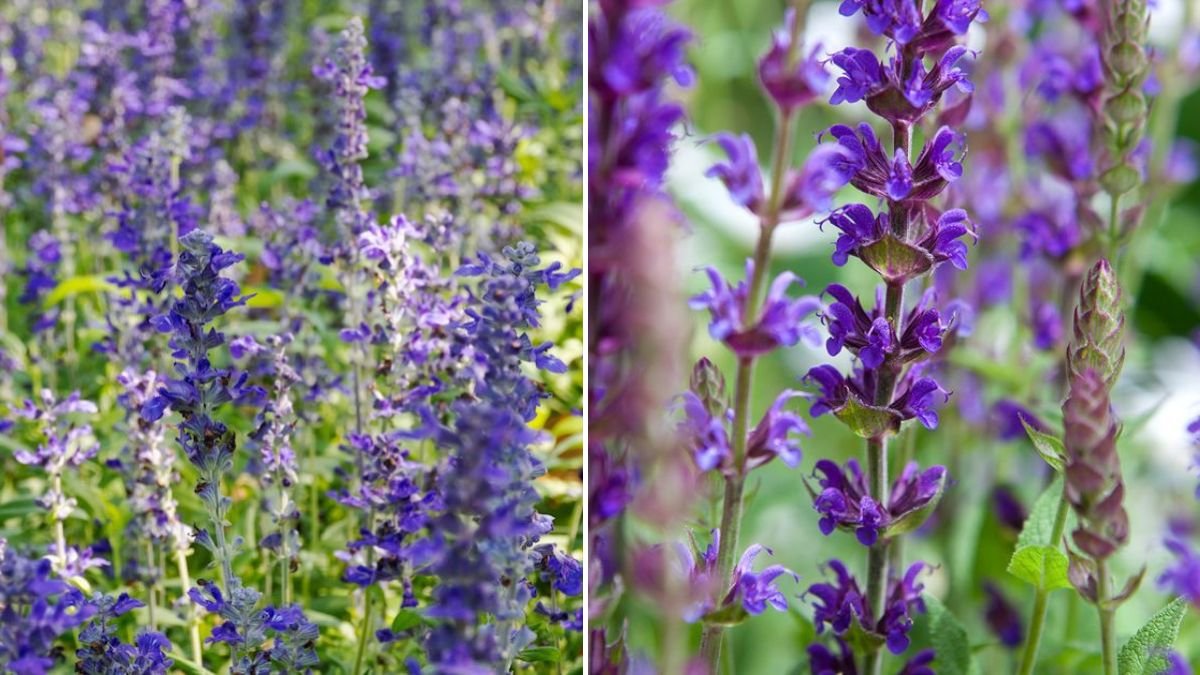

Salvia is one of those magical garden plants that seems to give back more than you ever expect. With its tall spikes of jewel-colored flowers, aromatic leaves, and ability to attract bees, butterflies, and hummingbirds, salvia quickly becomes a favorite in any garden. What many gardeners don’t realize, however, is that with the right techniques, you can grow salvia from just one plant forever—never needing to buy another one again.
By learning how to propagate, care for, and rejuvenate salvia, you can enjoy endless blooms year after year while saving money and building a thriving, self-sustaining garden.
Let’s explore how you can turn one salvia plant into a lifetime supply.
Why Salvia Is Perfect for Endless Propagation
Salvia belongs to the mint family, which means it naturally wants to spread and grow. Most salvias are fast growers, and many varieties root easily from cuttings. This makes them ideal for gardeners who love multiplying their plants.
Salvia also:
- Grows quickly
- Blooms repeatedly
- Recovers well from pruning
- Thrives in pots or garden beds
- Is resistant to pests and disease
These traits allow you to take cuttings, root them, and grow new plants again and again.
Start With a Healthy Mother Plant
The key to endless salvia starts with one strong, healthy plant. Choose a salvia that has:
- Bright green leaves
- No yellowing or spots
- Strong upright stems
- Plenty of new growth
This plant will become your “mother plant” from which you will take cuttings. Keep it well-watered, fed, and in a sunny spot so it stays vigorous.
The healthier your original plant is, the more successful your future cuttings will be.
When to Take Salvia Cuttings
The best time to take cuttings is during the plant’s active growing season—usually in spring, summer, or early fall. Look for soft, flexible stems that have not yet produced flowers. These root much faster than woody or blooming stems.
Early morning is ideal because the plant is full of moisture, giving your cuttings the best chance of survival.
How to Take the Perfect Cutting
Using clean, sharp scissors or garden shears, cut a stem that is about 4 to 6 inches long. Make the cut just below a leaf node (the point where leaves grow from the stem).
Remove the leaves from the bottom half of the cutting. This prevents the plant from losing too much moisture and allows energy to focus on root development.
If you want to boost success, you can dip the cut end in rooting hormone, but it’s not required—salvia roots easily on its own.
Rooting Salvia in Water
One of the easiest ways to propagate salvia is in water.
Place your cutting in a small jar or glass filled with clean water. Make sure the bottom of the stem is submerged but no leaves are underwater. Put the jar in a bright, warm location out of direct sunlight.
Change the water every two to three days to keep it fresh. Within 1 to 2 weeks, you’ll see small white roots forming. Once the roots are about an inch long, the cutting is ready to be planted in soil.
Rooting Salvia in Soil
You can also root salvia directly in soil.
Fill a small pot with light, well-draining potting mix. Make a hole with your finger or a pencil and insert the cutting into the soil. Gently firm the soil around it.
Water lightly and place the pot in a warm, bright area with indirect sunlight. To maintain humidity, you can loosely cover the pot with a plastic bag, but make sure there is airflow to prevent mold.
In about 2 to 3 weeks, the cutting will develop roots and start growing new leaves.
Transplanting and Growing Your New Plants
Once your cutting has rooted, it’s time to give it more space.
Move it into a larger pot or plant it in your garden. Salvia loves full sun, so choose a spot that gets at least 6 hours of sunlight per day.
Water regularly, especially during the first few weeks while the roots establish themselves. Soon, your new plant will grow tall, bushy, and ready to bloom.
How to Keep the Cycle Going Forever
Here’s where the magic happens. Once your new salvia plants grow strong, they can also become mother plants. This creates an endless cycle:
- Grow your original salvia
- Take cuttings
- Root them
- Grow new plants
- Take cuttings from those
- Repeat
This process allows you to fill your garden, share plants with friends, or even start a small nursery—without ever buying another salvia plant.
Pruning Makes Salvia Stronger
To keep your salvia producing lots of healthy stems for cuttings, regular pruning is essential.
After a bloom fades, cut the flower spike back to encourage new growth. This not only makes the plant look neat but also pushes it to produce more stems—perfect for propagation.
Pruning also prevents the plant from becoming woody and weak over time.
Feeding for Continuous Growth
Salvia doesn’t need heavy feeding, but a light boost of nutrients helps it grow faster and produce better cuttings.
Use a balanced liquid fertilizer every 3 to 4 weeks during the growing season. Healthy, well-fed plants root more easily and bloom more abundantly.
Avoid over-fertilizing, as too much nitrogen can produce lots of leaves but fewer flowers.
Protecting Salvia for Long-Term Success
To grow salvia forever, you need to keep at least one plant alive year-round.
In warm climates, salvia can stay outdoors all year. In colder areas, grow one or two plants in pots and bring them indoors before frost.
Place indoor plants near a sunny window and water when the soil feels dry. Even during winter, you can still take small cuttings if the plant remains healthy.
Why Growing Salvia Forever Is Worth It
Growing salvia from one plant forever saves money, reduces waste, and gives you complete control over your garden. It also allows you to keep a favorite variety alive for many years.
You’ll always have fresh plants for:
- Filling empty garden spaces
- Creating colorful borders
- Attracting pollinators
- Gifting to friends and family
Once you master this simple propagation method, your garden becomes self-sustaining and full of life.
One Plant, Endless Beauty
Salvia is more than just a beautiful flowering plant—it’s a gift that keeps giving. With just one healthy plant and a few simple techniques, you can create an unlimited supply of salvias that will brighten your garden for years to come.