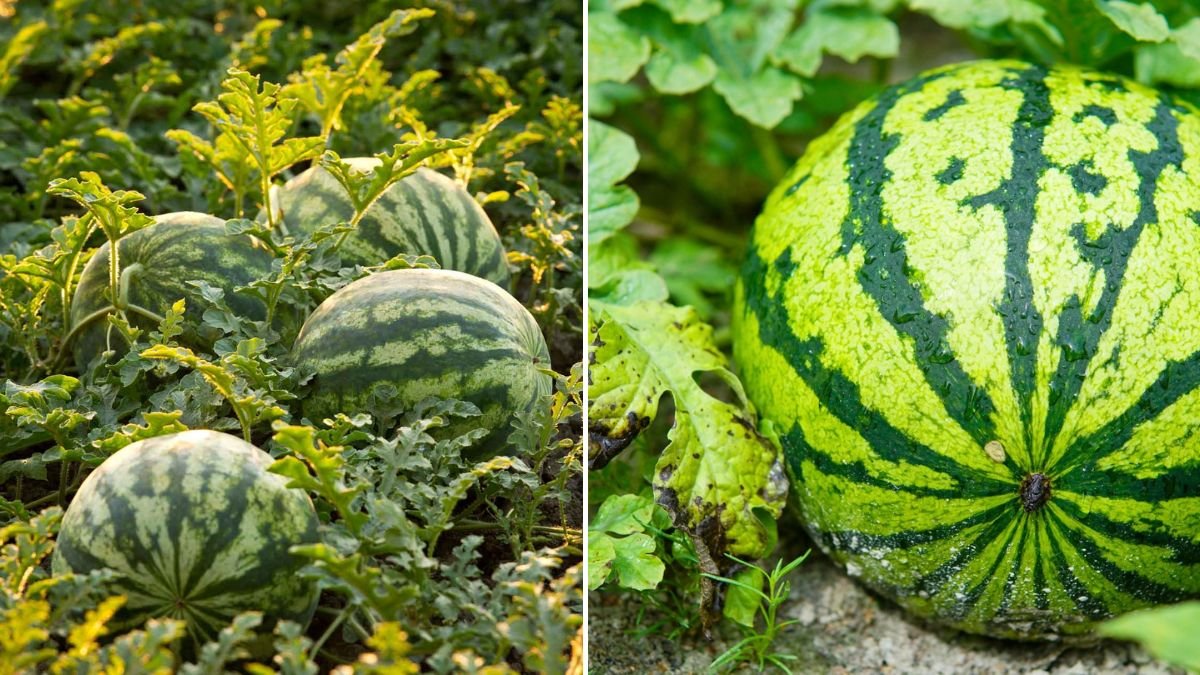

Why Watermelon Gardening Can Be Tricky
Watermelon requires warm temperatures, fertile soil, plenty of sunlight, and adequate space to grow. Many beginner gardeners struggle because they:
- Plant too early in cold soil
- Overcrowd seedlings
- Ignore soil preparation
- Water incorrectly
Even with optimal sunlight and space, seeds that are not prepared properly may fail to germinate. That’s why understanding the 1-seed trick before planting is critical for success.
What Is the 1-Seed Trick?
The 1-seed trick emphasizes the importance of seed selection and preparation before planting. The viral gardening tip highlights that planting watermelon without proper seed handling can reduce germination rates and affect overall crop quality. While the full secret is shared in the referenced tutorial videos, proven seed techniques include:
1. Selecting the Best Seeds
Always choose high-quality seeds from a trusted supplier. Look for:
- Seeds with a high germination rate
- Strong, healthy seeds without cracks or discoloration
- Varieties suited to your climate
One simple test gardeners often use is the sink-and-float test. Place seeds in water: viable seeds usually sink, while weak or dead seeds float.(reddit.com)
2. Proper Seed Depth and Placement
Watermelon seeds should be planted ½ to 1 inch deep in well-prepared soil. Planting too shallow can dry out the seed, while planting too deep can prevent the seed from sprouting.
3. Warm Soil Matters
Watermelon seeds germinate best in soil temperatures between 70°F and 95°F (21°C–35°C). Cold soil can cause seeds to rot or sprout slowly. If planting outdoors in cooler climates, consider using black plastic mulch or starting seeds indoors to warm them up.(harvesttotable.com)
4. Avoid Over-Soaking Seeds
Unlike some vegetables, watermelon seeds should not be soaked excessively. Soaking can increase the risk of fungal infections, such as anthracnose. Instead, use well-draining soil and ensure proper moisture after planting.(agrifarming.in)
Preparing the Planting Site
Watermelon thrives in warm, sunny conditions with fertile, well-draining soil. To prepare your planting site:
- Choose a Sunny Spot
Select a location that receives 6–8 hours of direct sunlight daily. Watermelon vines are heat-loving and grow best in full sun. - Prepare the Soil
Incorporate organic compost or aged manure into your soil. This improves fertility, soil structure, and moisture retention. Watermelons prefer slightly acidic to neutral soil with a pH of 6.0–6.8.(almanac.com) - Plant in Hills or Mounds
Creating small mounds or hills improves drainage and warms the soil faster. Plant 4–6 seeds per hill, spacing hills about 3–5 feet apart. Thin seedlings to 2–3 per hill after they emerge to ensure adequate space for vines and roots.(almanac.com)
Step-By-Step Planting Process
Follow these steps to maximize your watermelon success:
1. Start Seeds Indoors (Optional)
If your region has a short growing season, start seeds indoors 3–4 weeks before outdoor planting. Use biodegradable pots so seedlings can be transplanted without disturbing roots.(positivebloom.com)
2. Sow Seeds in Prepared Soil
- Plant seeds at ½ to 1 inch deep
- Space seeds adequately to avoid overcrowding
- Ensure soil is moist but not soggy
3. Mulch and Protect
Apply black plastic mulch or straw around seedlings to retain soil moisture, suppress weeds, and increase soil warmth.
Watering and Maintenance
Watermelon plants require deep, infrequent watering:
- Aim for 1–2 inches of water per week
- Water at the base of the plant to avoid wetting leaves, which can cause fungal diseases
- Reduce watering slightly as fruits begin to mature to concentrate sugars and improve sweetness
Monitor vines for signs of stress or pests and remove weeds promptly. Healthy soil and careful watering are key to large, juicy melons.
Fertilization Tips
Watermelons benefit from balanced nutrition:
- Incorporate compost at planting
- Apply a light, balanced fertilizer every 3–4 weeks
- Avoid high-nitrogen fertilizers, which encourage leafy growth over fruit development
Fertilization promotes strong vines and larger fruit while preventing nutrient deficiencies.
Common Mistakes to Avoid
Even with the 1-seed trick, many gardeners make errors that hinder watermelon success:
- Planting too early in cold soil – Seeds may rot or sprout poorly
- Overcrowding vines – Limits airflow and nutrient availability
- Overwatering leaves – Leads to fungal diseases
- Neglecting soil preparation – Weak plants and reduced yields
Avoiding these mistakes ensures healthier, more productive watermelon plants.
Harvesting Your Watermelon
Determining the right time to harvest is crucial:
- The tendril closest to the fruit turns dry and brown
- The underside of the melon, where it touches the ground, turns yellowish
- The fruit feels firm and hollow when tapped
Cut melons from the vine using a sharp knife instead of twisting to avoid damaging the plant.
Expert Tips for Better Watermelon Success
- Use high-quality seeds from reputable suppliers
- Ensure consistent warmth and sunlight
- Thin seedlings for proper spacing
- Mulch to retain moisture and heat soil
- Start seeds indoors in cooler climates for faster germination
By combining the 1-seed trick with these best practices, gardeners can significantly increase their success rate and enjoy larger, sweeter melons.
Authoritative Sources
- Old Farmer’s Almanac – Watermelon Growing Basics – planting, spacing, and care tips (almanac.com)
- Alibaba Gardening – How to Plant Watermelon Seeds – step-by-step guide (gardening.alibaba.com)
- PositiveBloom – Watermelon from Seed Tips & Mistakes – advanced planting ideas (positivebloom.com)
- Harvest to Table – Watermelon Seed-Starting Guide – soil temperature and timing (harvesttotable.com)
- Better Homes & Gardens – Growing Sweeter Watermelons – flavor and care insights (bhg.com)
Final Thoughts
The WARNING: Don’t Plant Watermelon Until You Learn This 1-Seed Trick! highlights a simple yet essential tip for home gardeners. By focusing on proper seed selection, preparation, soil warmth, and care, you can dramatically increase germination rates, plant health, and fruit sweetness. Combine this trick with proven planting practices to create a productive watermelon patch that yields delicious, juicy melons throughout the growing season.
Whether you start seeds indoors, plant directly outdoors, or use raised mounds and mulches, careful attention to the 1-seed trick ensures a stronger, more successful harvest. Follow these steps, and in just a few months, you’ll be enjoying watermelons straight from your garden, bursting with flavor and freshness.