
Introduction
Dragon fruit, or pitaya, is an exotic fruit that originated from Central America but has gained global popularity due to its vibrant colors and unique flavor. It’s part of the cactus family, and its cultivation has expanded throughout tropical and subtropical areas worldwide. If you enjoy dragon fruit, you might wonder about the possibility of cultivating your own plant from the seeds found inside the fruit. This article delves into the feasibility of growing dragon fruit from seeds extracted from a ripe dragon fruit and outlines the necessary steps to do so successfully.
Understanding Dragon Fruit Seeds
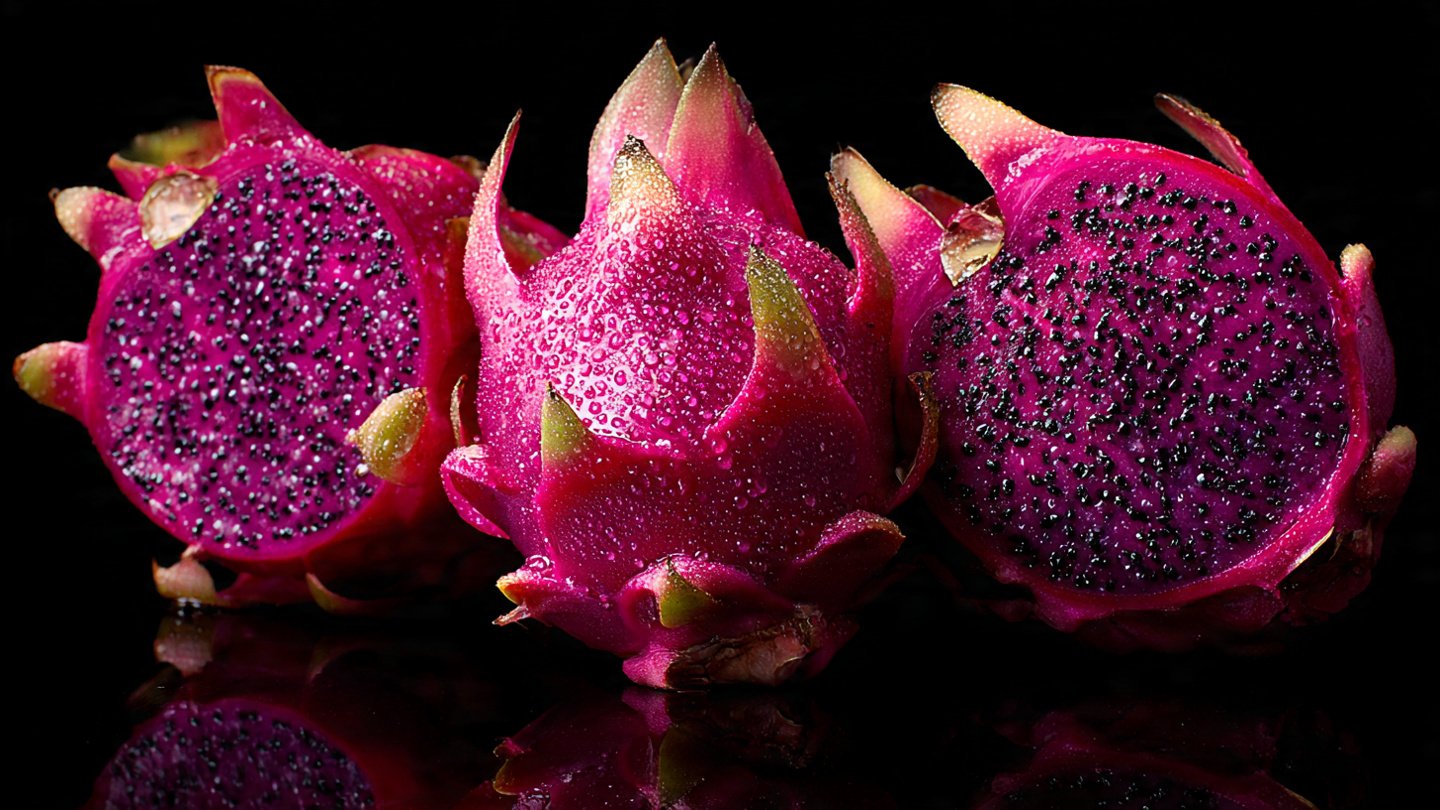
The seeds of the dragon fruit are small, black, and numerous, residing within the flesh of the fruit. Each fruit can yield thousands of seeds, providing ample opportunity for home growers to attempt propagation. However, it’s essential to note that dragon fruit is often hybridized, meaning that seeds from a store-bought fruit may not produce true-to-type plants. Instead, they may yield variations in taste, color, and growth habit. Nevertheless, cultivating from these seeds can still be a rewarding experience.
Steps for Cultivating Dragon Fruit from Seeds
1. Gather Your Materials
You will need the following materials to start your cultivation journey:
- Ripe dragon fruit
- Small pots or seedling trays
- Cactus or succulent potting mix
- Plastic wrap or a humidity dome
- Water spray bottle
2. Extract the Seeds
To extract the seeds, cut the dragon fruit in half. Use a spoon to scoop out the flesh containing the seeds. Place the flesh in a bowl and mash it gently to separate the seeds. After mashing, rinse the mixture under water in a fine mesh strainer to remove the pulp from the seeds. Dry the seeds on a paper towel for a few hours before planting.
3. Prepare the Planting Medium
Dragon fruit thrives in well-draining soil. A cactus or succulent potting mix is ideal. You can also make your own blend by mixing regular potting soil with sand or perlite to enhance drainage. Fill your pots or seedling trays with this mixture, leaving some space at the top.
4. Plant the Seeds
Sprinkle the seeds evenly over the surface of the soil. Since these seeds are tiny, you don’t need to bury them deeply. Lightly press them into the soil for good contact, and then mist the surface with water. Cover the pots with plastic wrap or a humidity dome to maintain moisture levels.
5. Provide Optimal Conditions
Place the pots in a warm location with indirect sunlight. Dragon fruit seeds require warmth (around 70-85°F or 21-29°C) for germination. Mist the soil regularly to keep it moist but not soggy. It typically takes two to three weeks for the seeds to germinate.
6. Transplanting Seedlings
Once the seedlings have grown to about 2 inches tall and have developed a set of true leaves, they are ready to be transplanted into larger pots. Choose pots that allow for good drainage, and use the same well-draining potting mix. Ensure to handle the seedlings carefully to avoid damaging their delicate roots.
7. Care and Maintenance
After transplanting, provide your seedlings with plenty of light. Aim for around 6 to 8 hours of indirect sunlight each day. Water them when the soil dries out, ensuring the pots do not become waterlogged. As they grow, you might consider introducing a light fertilizer every month during the growing season to encourage healthy development.
8. Anticipate the First Fruit
Growing dragon fruit from seed can take patience, as it may take three to five years for your plants to bear fruit. Once they are mature enough, they will produce blossoms, which will lead to the development of the famous dragon fruit.
Challenges in Growing from Seeds
While growing dragon fruit from seeds is an exciting endeavor, there are challenges to be aware of:
- Time Commitment: It requires significant time and care before you see fruit.
- Uncertain Results: Due to hybridization, you may not get the same variety you initially planted.
- Pest and Disease Management: Like any plant, dragon fruit is susceptible to pests and diseases, so vigilant observation is necessary.
Benefits of Growing Your Own Dragon Fruit
Growing your own dragon fruit can be a rewarding experience for several reasons:
- Freshness: Home-grown produce is fresher and often more flavorful than store-bought options.
- Control Over Cultivation: You can choose to grow organically and avoid pesticides.
- Fun and Educational: It’s an engaging activity for gardeners of all ages, offering a chance to learn about plant life cycles.
- Cultural Value: Dragon fruit holds cultural significance in many regions, making cultivation a rewarding endeavor beyond mere gardening.
Conclusion
In conclusion, you can indeed cultivate exotic dragon fruit from seeds discovered in the fruit itself. While the process requires patience and commitment, it can be rewarding to grow your own dragon fruit plants. By following the right steps, providing optimal care, and accepting the uncertainties that come with seed cultivation, you can embark on a delightful gardening journey. Whether you’re after the unique taste, aesthetic appeal, or the joy of nurturing plants, growing dragon fruit from seeds is an endeavor worth considering.
Frequently Asked Questions (FAQs)
1. How long does it take to grow dragon fruit from seeds?
It typically takes about three to five years for dragon fruit plants grown from seeds to bear fruit, depending on the growing conditions and care provided.
2. Can I grow dragon fruit indoors?
Yes, you can grow dragon fruit indoors, provided you have a sunny spot with sufficient light for at least six to eight hours a day.
3. Do dragon fruit plants require special care?
Dragon fruit is relatively low-maintenance, but they do require well-draining soil, regular watering, and protection from extreme temperatures.
4. Will the seeds produce the same kind of dragon fruit?
Because dragon fruit is often hybridized, seeds from supermarket fruits may not produce true-to-type plants. They might yield different fruit varieties.
5. How can I encourage flowering on my dragon fruit plant?
To encourage flowering, provide adequate light, nutrients, and water. Additionally, ensure the plant is mature enough, typically around 1-2 years for commercial varieties.