
Introduction
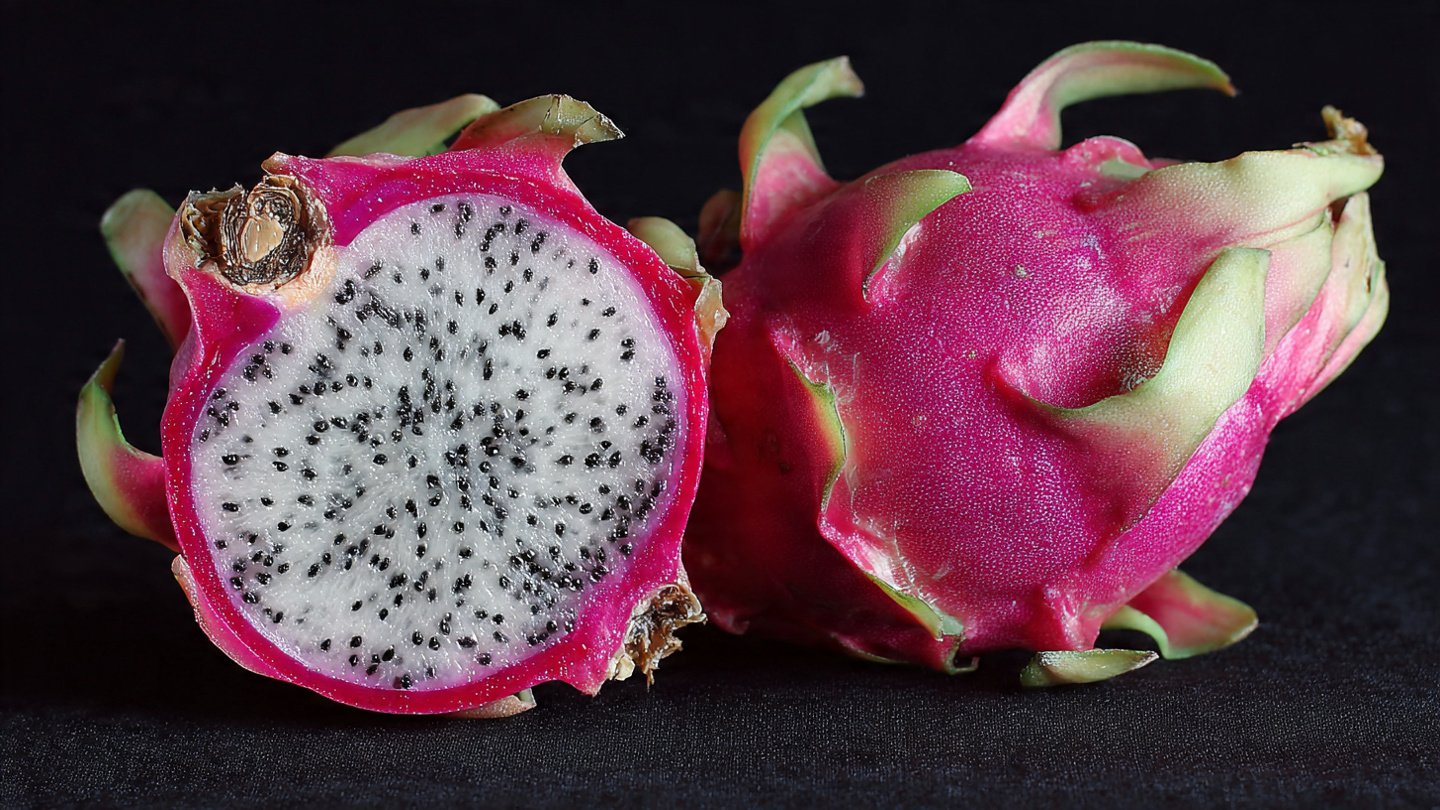
Dragon fruit, or pitaya, is not only celebrated for its striking appearance but also for its unique flavor and health benefits. This exotic fruit hails from several species of cacti, primarily in the genus Hylocereus. With its vibrant pink or yellow skin and green scales, dragon fruit is a favorite among tropical fruit enthusiasts. If you’ve ever enjoyed a dragon fruit and noticed the tiny black seeds inside, you might have wondered: can those seeds be used to grow new plants? In this article, we’ll explore the feasibility of growing exotic dragon fruit from seeds found in the fruit itself, the steps involved, and the factors influencing success.
Understanding Dragon Fruit Seeds
The seeds of dragon fruit are quite small, resembling black specks embedded in the soft, edible flesh of the fruit. They are often surrounded by a gelatinous coating, which can pose challenges during the germination process. Unlike many other fruits, dragon fruit seeds are viable, meaning they have the potential to grow into new plants. However, several factors will determine whether those seeds can successfully sprout and grow into healthy dragon fruit plants.
Growing Dragon Fruit from Seeds: The Process
1. Collecting Seeds
If you’re planning to grow dragon fruit from seeds found in the fruit, the first step is to collect them properly:
- Choose a ripe dragon fruit: Make sure it’s fresh and well-matured, as this will increase the chances of the seeds being viable.
- Extract the seeds: Cut the fruit open and scoop out the flesh with the seeds. Be careful not to damage the seeds during this process.
- Clean the seeds: Rinse the seeds under cool water to remove any residual fruit pulp. Allow them to dry on a paper towel.
2. Preparing for Germination
Before planting, it’s important to prepare the seeds and the soil:
- Use a seed-starting mix: A well-draining potting mix is essential, as dragon fruit seeds do not thrive in waterlogged conditions.
- Soak the seeds: Soaking the seeds in water for a few hours can help soften the gelatinous coating and promote faster germination.
3. Planting Seeds
Once your seeds are prepared, it’s time to plant:
- Fill small pots or seed trays with the prepared potting mix.
- Sprinkle the seeds evenly on the surface, then gently press them into the soil—don’t bury them too deep.
- Lightly mist the soil to keep it moist without oversaturating.
4. Germination Conditions
Providing the right conditions is crucial for germination:
- Temperature: Aim for a warm environment, ideally between 70°F and 85°F (21°C to 29°C).
- Light: Position the pots in a bright location but avoid direct sunlight until the seedlings are established.
- Humidity: Covering the pots with a plastic dome or plastic wrap can help maintain humidity, but be sure to ventilate to prevent mold.
5. Caring for Seedlings
Once your seeds germinate, usually within 2 to 3 weeks, it’s essential to care for the seedlings:
- Watering: Keep the soil consistently moist, but not soggy.
- Fertilizing: After a few weeks, you can start feeding the seedlings with a diluted cactus fertilizer.
- Transplanting: When seedlings have two or three true leaves, transfer them to larger pots or directly into the ground if conditions permit.
Challenges in Growing Dragon Fruit from Seeds
While it is possible to grow dragon fruit from seeds, several challenges may arise:
- Genetic variability: Dragon fruit grown from seeds may not be true to the parent plant, leading to a range of different flavors, colors, and shapes.
- Time: Growing from seed can take time; it may take several years before the plant produces fruit.
- Environmental conditions: Dragon fruit plants thrive in warm climates with abundant sunlight. Growing them in unsuitable environments can hinder growth.
Alternatives to Growing from Seed
If the notion of starting from seeds seems daunting or if you’re looking to bear fruit sooner, consider these alternatives:
- Cuttings: Taking cuttings from an existing dragon fruit plant can be faster and more reliable. Simply allow the cut end to callous over before planting in well-draining soil.
- Purchasing seedlings: Many nurseries sell established dragon fruit plants that are ready to grow.
Conclusion
In conclusion, while it is indeed possible to grow exotic dragon fruit from seeds found in the fruit, it requires careful attention to several factors, such as germination conditions, environmental factors, and plant care. Those willing to navigate the complexities of seed propagation may enjoy a rewarding gardening experience, while newcomers or those seeking quicker results might prefer to start with cuttings or purchased seedlings. No matter the method chosen, growing dragon fruit can be a delightful and fruitful endeavor, both literally and figuratively.
FAQs
Can I eat the seeds of dragon fruit?
Yes, the seeds of dragon fruit are safe to eat and are often consumed along with the flesh.
How long does it take for dragon fruit seeds to germinate?
Dragon fruit seeds typically germinate within 2 to 3 weeks under optimal conditions.
Can I grow dragon fruit indoors?
Yes, dragon fruit can be grown indoors if provided with sufficient light, warmth, and space to grow.
Do I need to pollinate dragon fruit flowers?
Yes, if you’re growing a self-pollinating variety, flowers may set fruit without help. However, cross-pollination can increase yield and fruit quality.
How long until I see fruit from my dragon fruit plant?
If grown from seed, it might take several years before the plant produces fruit, whereas cuttings may yield fruit in about 1-2 years.