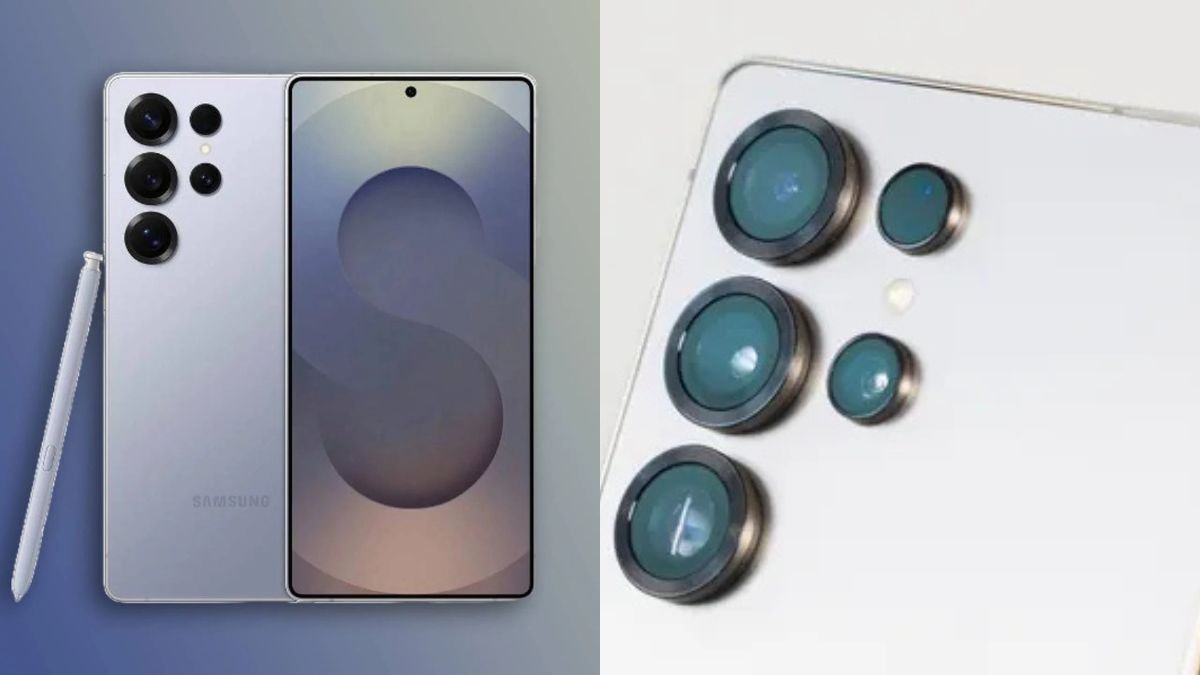

For months, speculation around Samsung’s next-generation flagship has been building steadily, with leaks, concept renders, and analyst predictions painting a picture of what the Galaxy S26 Ultra might bring. Now, a new leak circulating among reliable industry tipsters has reignited debate—this time with a surprising twist. According to the latest information, Samsung may have canceled a key Galaxy S26 Ultra plan entirely, signaling a notable strategic shift for the company’s premium smartphone lineup.
While Samsung has not officially confirmed anything, the leak is detailed enough to suggest that the decision is real and deliberate rather than a rumor born from supply-chain noise. If accurate, this cancellation could reshape expectations for Samsung’s flagship devices in 2026 and beyond.
What Exactly Was “Canceled”?
The leak does not suggest that Samsung has scrapped the Galaxy S26 Ultra as a product. Instead, it points to the cancellation of a major hardware or design direction that had been internally planned for the S26 Ultra.
Multiple sources indicate that Samsung was experimenting with a radical redesign or component overhaul, possibly including:
- A completely portless design
- A new under-display camera system meant to eliminate visible cutouts
- A major shift away from current S Pen integration
- Or a custom chipset strategy exclusive to the Ultra model
According to the leak, Samsung has decided that the risks associated with these changes—technical challenges, production costs, or consumer backlash—outweighed the potential benefits. As a result, the company reportedly pulled the plug on the idea during late internal development reviews.
Why This Leak Matters More Than Usual
Samsung cancellations are not unheard of, but what makes this leak stand out is its timing and specificity. The Galaxy S26 Ultra is still many months away from launch, yet the leak outlines internal decision-making stages, engineering hurdles, and even prototype limitations.
This suggests that Samsung has already moved beyond early concept phases and is now refining a more conservative, production-ready vision for the device. In other words, the cancellation is not speculative—it appears to be a course correction.
For consumers and industry watchers, this matters because it changes expectations. Features once thought “almost guaranteed” may no longer be on the roadmap.
The Bigger Picture: Samsung’s Shift in Strategy
Over the past few years, Samsung has walked a fine line between innovation and reliability. While competitors experiment aggressively, Samsung’s Ultra series has increasingly focused on polished refinement rather than risky leaps.
The reported S26 Ultra cancellation fits into a broader pattern:
- The Galaxy S24 and S25 Ultra generations prioritized camera tuning and AI features rather than radical design changes.
- Foldables, not slab-style phones, have become Samsung’s primary experimental playground.
- Software and ecosystem integration now play a bigger role than headline-grabbing hardware changes.
By canceling a potentially controversial S26 Ultra feature, Samsung may be signaling that stability and user trust are more valuable than shock value.
Possible Reasons Behind the Cancellation
While the leak does not cite a single definitive cause, analysts point to several likely factors:
1. Manufacturing Complexity
Advanced components—such as under-display camera arrays or new battery architectures—can significantly reduce yield rates. For a mass-market flagship, even small inefficiencies translate into massive cost increases.
2. Performance Trade-Offs
Some next-gen features look impressive on paper but compromise everyday usability. Samsung may have found that the canceled feature negatively impacted battery life, thermal performance, or camera quality.
3. Market Feedback
Samsung closely tracks user response. If early research showed lukewarm consumer interest or confusion, canceling the feature would be a logical move.
4. Regulatory and Repair Concerns
Designs such as fully portless phones or sealed components can raise issues around repairability and regional regulations—especially in markets pushing “right to repair” laws.
What the Galaxy S26 Ultra Is Still Expected to Offer
Even with this cancellation, the Galaxy S26 Ultra is far from underwhelming. Leaks and projections still suggest several upgrades are very much alive:
- Next-generation camera sensors, possibly improving low-light and zoom performance
- More advanced on-device AI, expanding Galaxy AI features without heavy cloud dependence
- A brighter, more efficient AMOLED display
- Improved battery chemistry, even if radical changes were shelved
- Refined S Pen experience, still a core differentiator for the Ultra series
Rather than reinventing the phone, Samsung appears focused on making every existing feature better.
How This Affects Samsung Fans and Buyers
For long-time Galaxy Ultra users, the cancellation may actually be reassuring. Radical design shifts often come with first-generation issues, and many users prefer consistency—especially at premium price points.
On the other hand, tech enthusiasts hoping for a dramatic leap may feel disappointed. The leak suggests that Samsung is intentionally avoiding risky innovation in its main flagship line, reserving bold experiments for foldables and concept devices instead.
Ultimately, the S26 Ultra could become a “safe powerhouse”—not revolutionary, but extremely refined.
Competitive Implications
Samsung’s decision also has implications for the broader smartphone market. If the leak is accurate, competitors like Apple, Xiaomi, and Google may adjust their own strategies.
- Apple tends to avoid extreme design risks, so Samsung’s move aligns with Apple’s philosophy.
- Chinese manufacturers may continue pushing aggressive hardware innovation to differentiate themselves.
- Google may lean further into AI-driven experiences rather than hardware leaps.
In this context, Samsung’s cancellation could reinforce a two-track market: bold experimentation on one side, and polished premium reliability on the other.
Is This Truly “Confirmed”?
It’s important to stress that while the leak is compelling, Samsung has made no official announcement. Internal plans change frequently, and features can reappear in altered form.
However, when multiple sources converge on the same story—and when it aligns with Samsung’s recent behavior—the likelihood increases that the cancellation is real.
Until Samsung speaks publicly, this remains an informed but unofficial confirmation.
Final Thoughts
The new Galaxy S26 Ultra leak doesn’t point to failure—it points to restraint. By canceling a major planned feature, Samsung appears to be prioritizing reliability, scalability, and user experience over experimental risk.
For consumers, that likely means a flagship that feels familiar but more powerful, smarter, and more polished than ever. Whether that’s exciting or disappointing depends on what you expect from a premium smartphone in 2026.