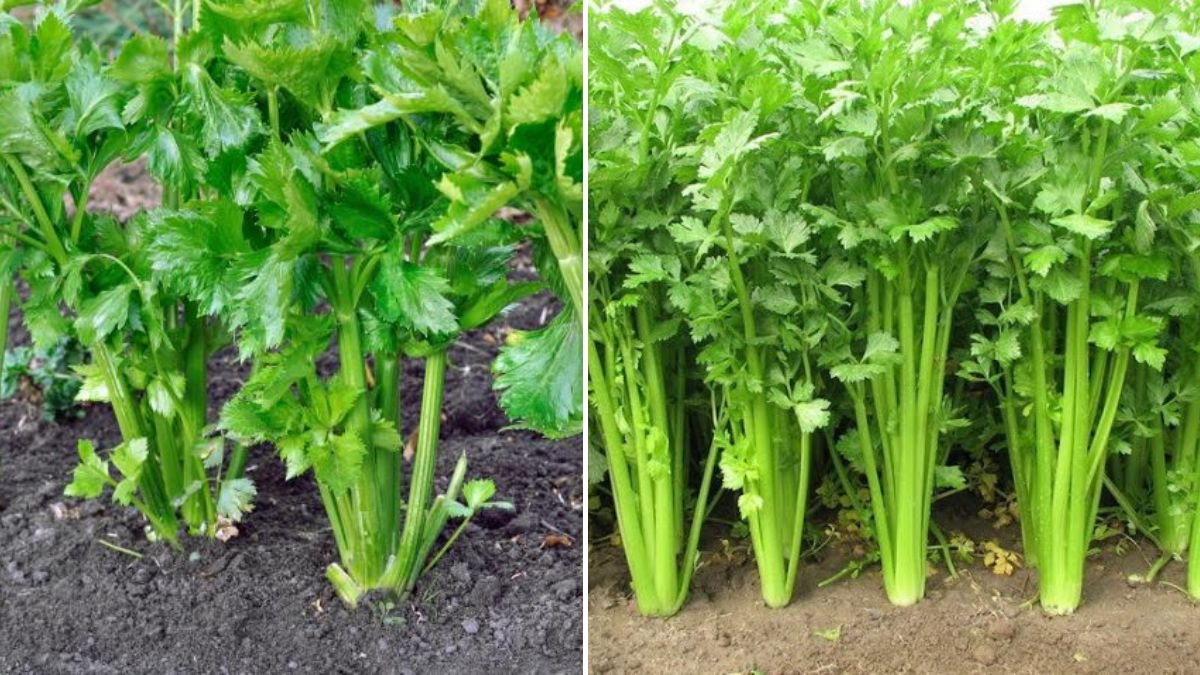

Introduction: How Hydroponic Celery Can Turn $0 Into Profit
Imagine starting a celery growing project with virtually no upfront cost — no soil, no farmland, and no expensive equipment — and turning it into a 5× profit venture. That’s exactly what many beginner hydroponic growers are discovering with simple rock‑based systems. With just a few inexpensive materials and some patience, you can grow clean, healthy celery right at home, harvest it continuously, and even sell it for a profit.
Hydroponic celery, particularly using inert media such as rocks, clay pellets, or rock wool, is gaining popularity among urban gardeners, small-scale farmers, and health enthusiasts. This method is low-maintenance, highly productive, and beginner-friendly, allowing anyone to grow celery without the challenges of soil gardening. (kratkycelery.com)
What Does “Growing Celery on Rocks” Mean?
“Growing celery on rocks” refers to a soilless hydroponic system, where plants get water, oxygen, and nutrients from a nutrient-rich solution instead of soil. Inert media like rock wool cubes, expanded clay pellets, or even gravel act as support for the roots. The plant’s roots sit in the nutrient solution, allowing constant access to minerals and oxygen, which encourages faster growth and healthier stalks.
This method is ideal for beginners because it:
- Eliminates soil preparation and weeding
- Reduces the risk of pests and soil-borne diseases
- Allows growth in small spaces such as balconies, terraces, or indoor areas
- Can use simple, passive systems like Kratky hydroponics, which require no pumps or electricity (hydroponicschina.com)
Why Hydroponic Celery is Perfect for Beginners
Celery is a heavy feeder — it thrives when nutrients and water are available continuously. Hydroponics provides this consistent supply, producing crisp, flavorful stalks without the labor-intensive work of soil gardening.
Key advantages for beginners:
- Water-efficient: Uses less water than traditional gardening
- Space-saving: Ideal for apartments, rooftops, or indoor spaces
- High-quality yields: Healthy, uniform, market-ready celery
- Minimal upfront cost: Recycled containers and inexpensive media allow starting with nearly $0 (kratkycelery.com)
How to Grow Celery on Rocks With Minimal Cost
1. Gather Simple Supplies
You don’t need a fancy hydroponic kit. Here’s all you need:
- Wide-mouth jars, buckets, or trays
- Balanced hydroponic nutrient solution
- Net pots or containers with rock wool/clay pellets
- Celery seeds or grocery store cuttings
Even starting with celery scraps from your kitchen can produce new shoots and roots, making your first “seed” effectively free (kratkycelery.com)
2. Start Seeds or Cuttings in Rock-Based Media
Use rock wool cubes or clay pellets to support seedlings or celery cuttings. Ensure the base touches the nutrient solution so roots can grow down. Within days, new shoots and root systems appear, ready for growth and harvesting. (kratkycelery.com)
3. Maintain Nutrients and Light
- Keep nutrient solution pH around 6.0–6.5
- Use a nutrient mix designed for leafy greens
- Provide bright indirect sunlight or LED grow lights for 10–12 hours per day
Stable nutrients and adequate light ensure strong celery growth and uniform stalks (kratkycelery.com)
4. Harvest Strategically
Hydroponic celery can be harvested stalk by stalk once they reach 6–8 inches, or the whole plant can be harvested for market-ready bunches. Regular harvesting encourages continuous growth and maximizes yield. (hydroponicschina.com)
Tips to Maximize Growth and Profit
✔ Choose the Right Variety
Celery types like Pascal and Conquistador grow faster and more reliably in hydroponic systems. Selecting the right variety can shorten harvest time and improve profits (kratkycelery.com)
✔ Monitor Nutrients and pH
Regularly check nutrient levels and pH. Stable conditions reduce stress, prevent yellowing leaves, and produce stronger stalks (hydroponicschina.com)
✔ Provide Adequate Light
Celery needs bright light to grow well. Indoors, full-spectrum LED lights for 10–12 hours daily are ideal. Outdoors, choose a spot with indirect sunlight to avoid scorching (kratkycelery.com)
✔ Maintain Clean Conditions
Hydroponic setups can develop algae or bacteria if not kept clean. Use opaque containers and regularly refresh nutrient water to avoid contamination (kratkycelery.com)
Profit Potential: How to Make 5x Return
The biggest appeal of hydroponic celery is the profit potential:
- Celery has consistent demand as a staple vegetable
- Hydroponic produce often sells at premium prices due to quality
- Starting with grocery scraps or low-cost setups eliminates initial expenses
Many home growers have reported recouping their costs within weeks and achieving 5× profits when selling fresh, crisp celery bundles at farmers markets or local stores (kratkycelery.com)
Science Behind Better Yields
Studies show hydroponic systems outperform soil-grown celery because:
- Nutrients are consistently available
- Roots get oxygen efficiently
- Environmental conditions like light and temperature can be controlled
These factors reduce pest issues, encourage faster growth, and increase overall yield, making hydroponic celery not just a hobby but a profitable venture (maxapress.com)
Common Challenges and How to Avoid Them
- Algae growth: Use opaque containers to block light
- Nutrient imbalance: Regularly monitor pH and nutrient levels
- Weak stalks: Ensure adequate light and proper support for roots
- Overcrowding: Space plants appropriately to prevent competition
Addressing these common issues ensures healthy plants, higher yields, and better profits. (kratkycelery.com)
Final Thoughts: Beginner-Friendly and Profitable
Hydroponic celery, grown on rocks or other inert media, is a beginner-friendly, low-cost, and profitable gardening method. Starting with minimal investment and applying simple techniques, anyone can enjoy fresh, crisp celery while creating a potential income stream.
With careful attention to nutrients, light, and cleanliness, this method can provide continuous harvests and turn a small home project into a rewarding and lucrative hobby.
If you’re looking for a low-risk way to grow vegetables, the [FOCUS KEYWORD] is the perfect solution to grow, harvest, and even sell celery — all starting with nearly $0.