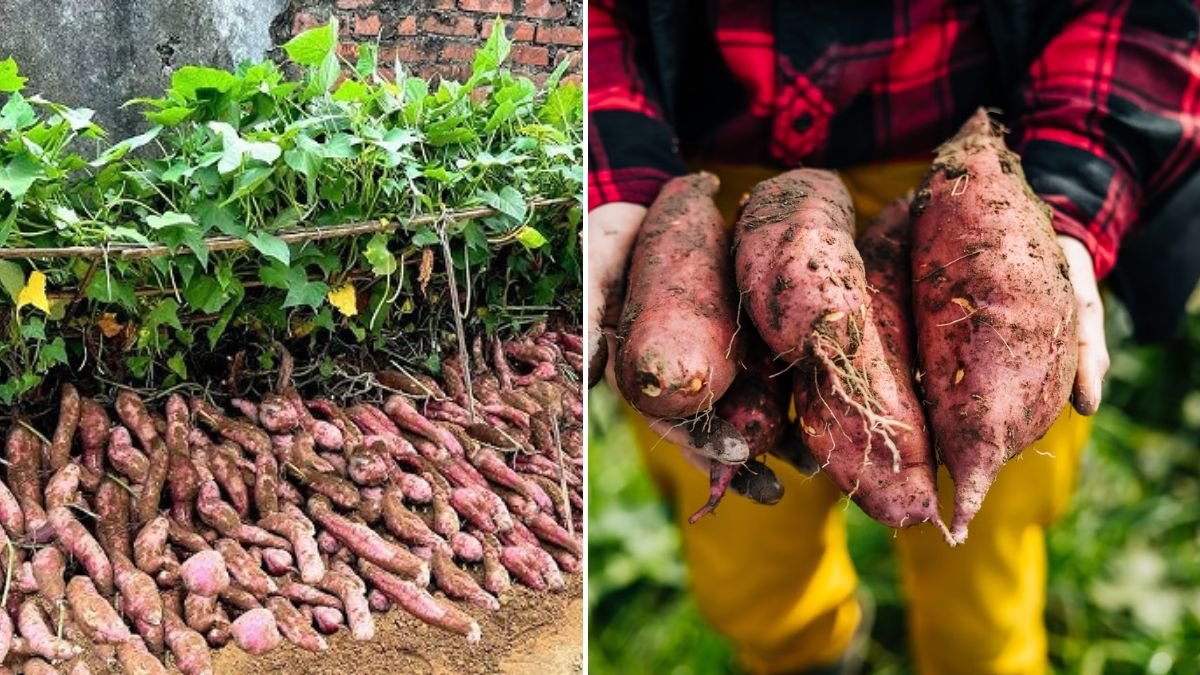

Background Context
Sweet potatoes are one of the most versatile and nutritious root crops. They are rich in vitamins, fiber, and antioxidants, making them a staple in healthy diets. Traditionally, growing sweet potatoes requires garden beds, quality soil, fertilizer, and often buying slips (young plants). This can discourage beginners or those on a tight budget.
However, a new gardening trend has gone viral in 2025 and early 2026: the “Sweet Potato Growing Tips for Beginners: Without Spending a Penny, 10x Higher Yield”. This method is especially appealing for urban gardeners, balcony growers, and those who want to maximize harvests without spending money on seeds, fertilizers, or garden soil. (youtube.com)
This beginner-friendly hack allows anyone to grow sweet potatoes using everyday items and natural techniques, achieving yields many times higher than traditional methods without the usual expense or labor.
Why This Hack Works
The viral hack focuses on free or low-cost techniques while optimizing plant growth:
- Use of kitchen scraps and tubers instead of buying expensive slips.
- Container or raised bed planting using recycled items like buckets, baskets, or bins.
- Moisture-retentive soil made from kitchen compost and yard waste.
- Strategic pruning, watering, and sun exposure to maximize tuber growth.
These methods combine simplicity with effectiveness, allowing beginners to produce a surprisingly high yield.
Step-By-Step Sweet Potato Growing Tips
Here’s a detailed guide to grow sweet potatoes with zero cost and maximum productivity:
1. Start With Slips Made at Home
Slips are small shoots that grow from mature sweet potatoes. Instead of buying them:
- Select organic or untreated sweet potatoes from your kitchen.
- Place them in water or damp soil to encourage sprouting.
- After 4–6 weeks, when shoots reach about 6 inches, cut them and root them in water or soil.
This approach produces free planting material and ensures your sweet potatoes are ready to grow without any investment. (almanac.com)
2. Choose Free or Recycled Containers
If a garden bed isn’t available, use:
- Large buckets or tubs
- Fabric grow bags
- Old baskets or storage bins with drainage holes
Containers concentrate nutrients and moisture around the roots, providing ideal conditions for tuber growth. Sweet potatoes thrive in deep, loose soil, so ensure your containers are large enough to accommodate expanding roots. (gardeningknowhow.com)
3. Prepare a Nutrient-Rich, Cost-Free Soil Mix
You don’t need commercial fertilizers. Instead:
- Collect kitchen scraps such as vegetable peelings, coffee grounds, and fruit residues for compost.
- Add shredded leaves, grass clippings, or cardboard to aerate soil.
- Avoid fresh animal manure, which can favor leaf growth over tuber development.
This free, nutrient-rich mix provides everything your sweet potatoes need to grow big and healthy. (harvesttotable.com)
4. Provide Adequate Sunlight
Sweet potatoes need 6–8 hours of direct sunlight daily. Containers should be placed where sunlight is most consistent. Sunlight promotes photosynthesis, which fuels tuber growth and improves yield. (almanac.com)
For urban gardeners, balconies or rooftops facing the sun are ideal.
5. Water Wisely
Sweet potatoes prefer consistent moisture without waterlogging.
- Water deeply when the top soil begins to dry.
- Avoid overwatering to prevent root rot.
- Moisture-retentive soil and mulching reduce the need for frequent irrigation.
This approach allows beginners to water efficiently without daily effort. (americanfarmsteadhers.com)
6. Mulch With Free Materials
Mulching helps retain soil moisture, regulate temperature, and suppress weeds. Free options include:
- Dry leaves
- Straw or grass clippings
- Newspaper or cardboard
Apply a layer around the base of plants, leaving a small gap around stems to avoid rot. Mulching is a simple way to improve yield without spending money.
7. Space Plants Properly
Even in containers, sweet potatoes need room for tubers to expand:
- Space slips at least 12–18 inches apart.
- Ensure roots have sufficient depth for development.
- Larger containers or raised beds allow more tubers per plant, boosting harvest.
Proper spacing combined with nutrient-rich soil can significantly increase yield.
8. Boost Yield with Smart Practices
To reach up to 10× yield:
- Apply homemade compost or compost tea every 2–3 weeks.
- Remove older or yellowing leaves to redirect energy to tubers.
- Support vine growth by letting it climb or spread along mulch.
- Hand-pollination is unnecessary, but good airflow prevents fungal problems.
These simple interventions make a huge difference in tuber size and number.
9. Harvesting Tips
Sweet potatoes are ready to harvest when:
- Vines begin to yellow, typically 90–120 days after planting.
- The first frost is near (in cooler climates).
Carefully dig around the base to avoid damaging tubers. After harvesting, cure sweet potatoes in a warm, humid environment for 10–14 days to enhance sweetness and storage life. (almanac.com)
10. Benefits of This Hack
- Zero cost: No need to buy slips, soil, or fertilizers.
- High yield: Smart techniques and soil optimization can produce 10× more tubers.
- Beginner-friendly: Minimal skill required, making it perfect for new gardeners.
- Space-saving: Works in containers, balconies, or small yards.
- Environmentally friendly: Uses recycled materials and kitchen scraps.
This hack proves that sweet potato gardening doesn’t need expensive tools or materials to be productive.
Suggested Authoritative Sources
For gardeners seeking more scientific guidance:
- The Old Farmer’s Almanac – Planting, growing, and harvesting tips. (almanac.com)
- Harvest to Table – Soil, spacing, and raised bed recommendations. (harvesttotable.com)
- Gardening Know How – Care, sunlight, and pest advice. (gardeningknowhow.com)
- American Farmsteadhers – Fertilization and irrigation guidance. (americanfarmsteadhers.com)
These sources complement the zero-cost, beginner-friendly approach with tested horticultural principles.
Final Thoughts
Growing sweet potatoes at home has never been easier or more affordable. With homemade slips, recycled containers, free compost, and simple care practices, even beginners can enjoy massive, healthy harvests without spending a penny.
This method empowers urban gardeners, apartment dwellers, and anyone new to gardening to produce nutritious, delicious tubers in small spaces. By combining minimal effort with smart growing techniques, it’s possible to achieve 10× higher yields while learning the joys of home gardening.
With patience, sunlight, and a little care, your sweet potato garden can thrive — rewarding you with abundant, homegrown food all season long.