
🌿 Introduction: Why Peanuts Are a Gardeners’ Delight
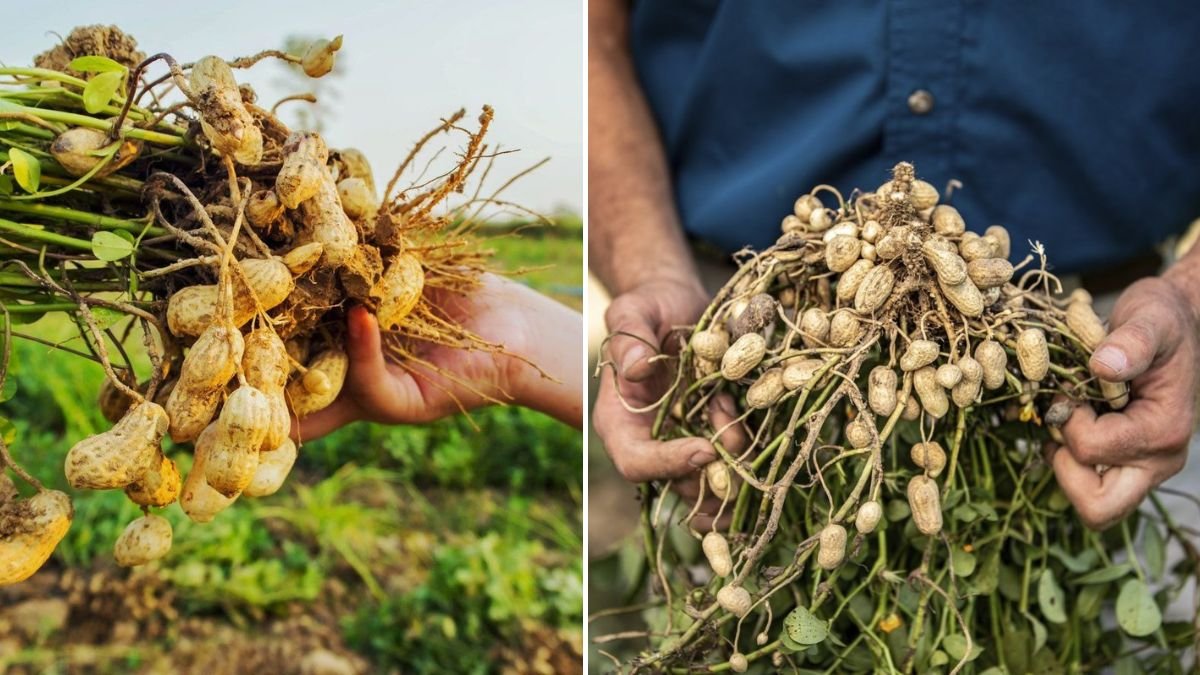
Imagine pulling a plant from your backyard soil and uncovering a cluster of fresh peanuts dangling beneath the surface. This moment of discovery is part of the magic of growing peanuts (Arachis hypogaea). Unlike other nuts that grow on trees, peanuts develop underground, making their harvest a unique and highly satisfying experience. Whether you’ve only ever eaten peanuts roasted, salted, or in peanut butter, growing your own adds a whole new dimension to gardening.
The popularity of peanuts as a home garden crop has surged in recent years, thanks to viral gardening videos and community posts showcasing backyard peanut harvests that inspire beginners to plant their own. Even those who have never tried legumes before find peanuts surprisingly easy to grow with the right approach (almanac.com).
🧠 Background: What Makes Peanuts Special
Peanuts are legumes, meaning they have the ability to fix nitrogen in the soil, naturally enriching it for future crops. This makes them not only productive but beneficial to your garden’s overall health. Peanuts thrive in warm climates with full sunlight and well-drained soil, and they are typically grown during long, frost-free seasons.
The development of peanut pods is fascinating: after pollination, the plant produces small stems called pegs that push down into the soil, where the pods mature. This subterranean growth means that gardeners are often amazed at the number of peanuts hidden beneath the soil when it’s time to harvest (homesandgardens.com).
🌱 Step 1: Choose the Right Peanut Variety
Selecting the proper variety is critical for a successful peanut harvest. For home gardeners, common options include:
- Valencia: Produces sweet clusters of 3–4 peanuts per pod.
- Spanish: Small, flavorful peanuts with high oil content.
- Runner: High-yielding and suitable for roasting at home.
For planting, use raw, unsalted peanuts. Roasted or salted peanuts will not germinate (agribuzz.org).
🌞 Step 2: Choose the Best Location
Peanuts require full sun, ideally 6–8 hours per day, to flower and develop pegs that grow into pods. If planting in containers, place them in a south-facing location. Garden beds should have ample sunlight exposure. In regions with shorter summers, using containers or raised beds can help maximize warmth and growing conditions (agribuzz.org).
🪴 Step 3: Prepare the Soil
Peanuts prefer loose, well-draining soil. Key tips for soil preparation:
- Loosen the soil to a depth of 12–18 inches to allow the pegs to penetrate easily.
- Incorporate compost or aged manure for nutrient-rich soil.
- Avoid heavy clay soils that can impede pod development.
Well-prepared soil ensures strong root systems and higher yields. Peanuts are particularly sensitive to compaction, which can stunt growth or prevent pods from forming properly (agribuzz.org).
🌱 Step 4: Planting Peanut Seeds
Peanut seeds should be planted 1–2 inches deep, spaced 4–6 inches apart, with rows roughly 18–24 inches apart. For container growing, use a deep pot at least 12 inches tall and wide. Plant several seeds per container and thin seedlings to the strongest ones after germination (agribuzz.org).
💧 Step 5: Watering and Care
Peanuts need consistent moisture, especially during flowering and pegging, when pods form underground. Guidelines include:
- Water deeply but avoid waterlogging.
- Maintain moisture for approximately 60–110 days after planting.
- Stop watering 10–14 days before harvest to allow pods to mature.
Avoid overhead watering, which can promote fungal diseases. Mulching helps conserve moisture and maintain soil temperature. Regular weeding and gentle soil aeration improve plant health but avoid disturbing the pegs once they penetrate the soil (hgic.clemson.edu).
🌿 Step 6: Supporting the Plants
Peanut plants don’t grow tall, but they benefit from loose soil and space for the pegs to penetrate. Raised beds or well-spaced garden rows prevent overcrowding. While staking is not necessary, ensuring that plants have adequate sunlight and airflow is critical to prevent disease and promote pod development (hgic.clemson.edu).
🌰 Step 7: Fertilization
Peanuts fix nitrogen naturally, but they benefit from balanced fertilizers at planting and phosphorus-rich supplements to support flowering and pod formation. Avoid over-fertilizing with nitrogen, which encourages leafy growth rather than productive pods (agribuzz.org).
✂️ Step 8: Harvesting Peanuts
Peanuts are typically ready to harvest 100–150 days after planting, depending on climate and variety. Signs of maturity include:
- Yellowing foliage
- Plants beginning to die back
Gently dig up the plants with a garden fork, shake off soil, and leave the peanuts attached to the roots. This process is highly rewarding — revealing the hidden harvest underground often surprises first-time growers (gardeningknowhow.com).
🌤️ Step 9: Drying and Storing
After harvesting, peanuts need to dry before consumption:
- Dry the plants in the sun for 7–10 days.
- Remove pods from roots.
- Store in a cool, dry, ventilated area for 2–3 weeks for curing.
This process improves flavor and prevents mold. Properly dried peanuts can be stored raw or roasted for months, making them a versatile, long-lasting crop (almanac.com).
🧠 Why Growing Peanuts Is So Rewarding
Many gardeners report that growing peanuts transforms their perspective on this familiar snack. Beyond their delicious flavor, peanuts offer several advantages:
- Soil enrichment through nitrogen fixation.
- Unique underground harvest that is fun and surprising.
- Versatility: eat raw, boiled, roasted, or make peanut butter.
The process also adds a layer of satisfaction — seeing plants flower, peg into the soil, and eventually produce pods is a tangible connection to your food (gardeningknowhow.com).
📚 Suggested Authoritative Sources
- Almanac.com – How to Grow Your Own Peanuts – Complete planting, care, and harvest guide. (almanac.com)
- AgriBuzz – How to Grow Peanuts at Home – Step-by-step guide for beginners. (agribuzz.org)
- Clemson HGIC – Peanut Facts & Care – Watering, growth stages, and harvest tips. (hgic.clemson.edu)
- Gardening Know How – Harvesting Peanuts in Home Gardens – Tips on drying and storing peanuts. (gardeningknowhow.com)
🌟 Final Thoughts
Growing peanuts at home is both fun and rewarding, whether you’re cultivating a small backyard plot or a few containers on a balcony. They offer nutritional value, garden enrichment, and the unique thrill of underground harvest. With the right variety, full sun, nutrient-rich soil, and careful watering, even first-time gardeners can enjoy a successful and abundant peanut harvest.
If you’ve been hesitant to grow peanuts, now is the perfect time. Seeing your first harvest will make you wonder why you didn’t start sooner.