
Why Beginners Often Struggle with Gardening
Many people fail at vegetable gardening not because of a lack of interest but because of unrealistic expectations. Common misconceptions include:
- You need a large plot of land.
- Gardening requires hours of daily work.
- Special skills and expensive equipment are mandatory.
These assumptions discourage beginners from even starting. In reality, most vegetables can grow well in small containers, raised beds, or even on balconies. The key is choosing the right plants, growing them in suitable environments, and following low-maintenance care strategies.
What Is the [FOCUS KEYWORD] Gardening Method?
The [FOCUS KEYWORD] method is designed specifically for beginners and urban gardeners who don’t have a traditional garden space. Its main principles are:
- Compact Gardening: Use small plots, containers, or balcony setups instead of large gardens.
- Minimal Labor: Focus on easy-to-grow crops and techniques that reduce watering and weeding.
- Accessible Materials: Grow using containers, recycled items, or simple gardening tools available at home.
- Efficient Planting: Use vertical spaces and succession planting to maximize yield in a small area.
A recent viral video titled “No Big Garden, No Hard Work – The Easiest Way to Grow Vegetables for Beginners!” demonstrates these principles by showing beginners how to start a productive garden using minimal tools and simple techniques. (YouTube)
Benefits of Growing Vegetables Without a Traditional Garden
The [FOCUS KEYWORD] method is ideal for beginners for several reasons:
- Space Efficiency: Perfect for apartments, small patios, or tiny backyard corners.
- Lower Maintenance: Requires less water, fertilizer, and weeding compared to traditional gardens.
- Faster Results: Quick-growing vegetables like lettuce and radishes produce harvests in just a few weeks.
- Beginner-Friendly: Focuses on low-maintenance plants and simple techniques.
- Sustainable: Many methods reuse containers or household items, reducing waste.
By adopting these strategies, anyone can enjoy the satisfaction of homegrown produce without committing to hours of daily labor.
Best Vegetables for Beginners
Choosing the right crops is crucial. Beginners should start with plants that are easy to grow, resilient, and forgiving of minor mistakes. Some of the best options include:
- Lettuce and Spinach: Fast-growing leafy greens that thrive in containers.
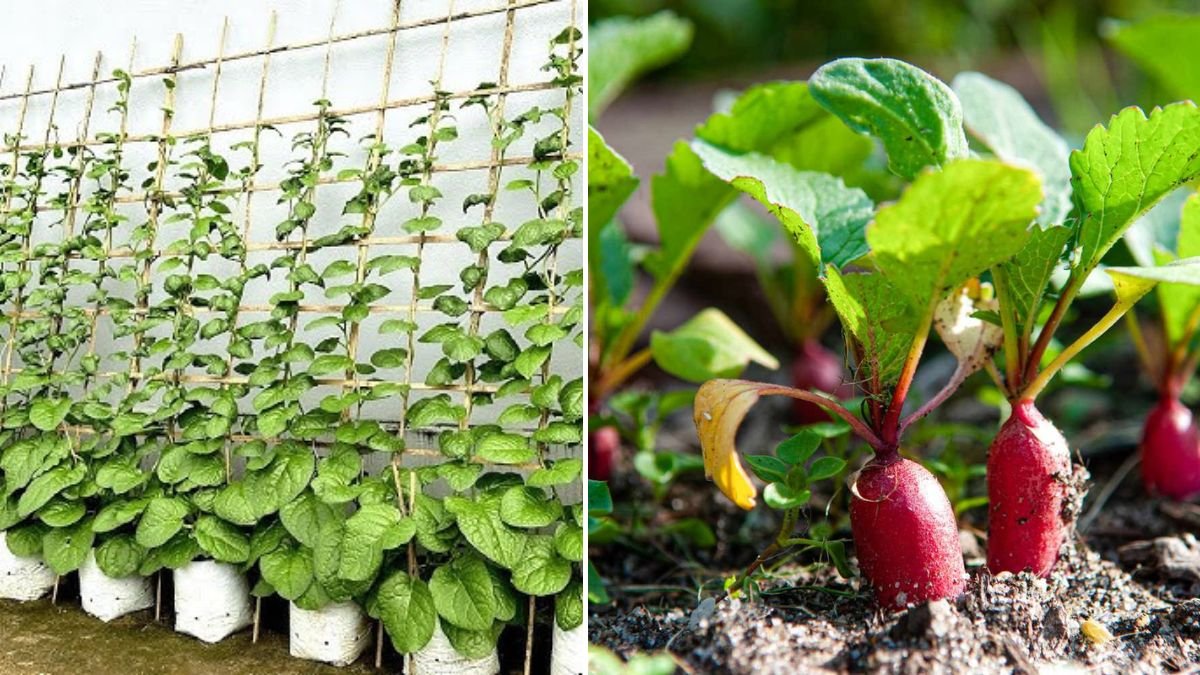
- Radishes: Ready in 3–4 weeks and require minimal care.
- Bush Beans: Quick, productive, and don’t need trellising.
- Tomatoes and Peppers: Suitable for container growth with regular watering.
- Herbs (Basil, Mint, Parsley): Hardy and compact, perfect for windowsills.
Starting with these vegetables allows beginners to gain confidence before moving on to more challenging crops. (Old Farmer’s Almanac)
Small-Space Gardening Techniques That Maximize Yield
Even with limited space, you can grow a variety of vegetables by using creative strategies.
1. Container Gardening
Using pots, buckets, or grow bags makes gardening flexible and mobile. Choose containers with good drainage and fill them with nutrient-rich soil. Containers allow you to control soil conditions and protect plants from pests.
2. Raised Beds
Raised beds, even small ones like 4×4 feet, offer improved soil drainage and easier maintenance. They can also be built from recycled wood, bricks, or other materials, making them eco-friendly and budget-conscious.
3. Vertical Gardening
Grow vertically using trellises, wall-mounted planters, or hanging pots. Vertical gardening saves space while providing adequate sunlight and airflow for crops like beans, peas, and cucumbers.
4. Succession Planting
This strategy involves planting crops in stages. Once one harvest is complete, another is planted immediately in its place. Succession planting ensures continuous production throughout the season, even in small areas. (Old Farmer’s Almanac – Small Space Gardening)
Low-Effort Gardening Strategies for Beginners
The key to success with the [FOCUS KEYWORD] method is reducing unnecessary work. Beginners should adopt the following strategies:
- Choose low-maintenance crops: Lettuce, herbs, radishes, and bush beans are ideal.
- Use self-watering systems: Simple drip irrigation or self-watering containers reduce daily watering tasks.
- Mulch soil: Helps retain moisture and suppress weeds naturally.
- Monitor plant health: Inspect leaves for pests or disease regularly to prevent small issues from becoming big problems.
- Start seeds indoors: Gives your plants a head start and improves survival rates when transplanted outside. (Healthline)
Fun Tips for Keeping Beginners Engaged
Gardening should be enjoyable. Here are ways to make it more interactive and motivating:
- Companion Planting: Mix herbs with vegetables to naturally repel pests.
- Gardening Journal: Track your planting schedule, watering, and harvests to learn what works best.
- Harvest Sharing: Share your produce with friends and family — it encourages you to continue and inspires others.
- Decorative Planters: Make your small garden visually appealing to boost enthusiasm.
Common Mistakes Beginners Should Avoid
Even with easy techniques, beginners can make mistakes. Common pitfalls include:
- Overcrowding plants in containers.
- Neglecting sunlight requirements.
- Watering inconsistently — either too much or too little.
- Using poor-quality soil or neglecting compost additions.
By planning carefully and following the [FOCUS KEYWORD] method, these mistakes can be minimized, increasing your chances of a successful harvest.
Authoritative Gardening Sources for Beginners
If you want credible guidance and detailed instructions beyond viral tips, check these sources:
- Old Farmer’s Almanac – Vegetable Gardening for Beginners
Offers classic, trusted advice for first-time gardeners. (almanac.com) - Botanic Gardens of Sydney – Best Vegetables to Grow for Beginners
Lists easy-to-grow vegetables and practical growing tips. (botanicgardens.org.au) - Old Farmer’s Almanac – Small Space Gardening Tips
Strategies for maximizing yield in limited space. (almanac.com) - Healthline – Indoor Food Gardening Guide
Offers step-by-step instructions for growing vegetables indoors and on patios. (healthline.com)
Final Thoughts
The [FOCUS KEYWORD] method proves that you don’t need a big garden or heavy labor to enjoy fresh, home-grown vegetables. With small containers, raised beds, vertical setups, and a selection of beginner-friendly plants, anyone can start growing food — even in apartments or urban spaces.
By combining space-efficient gardening, low-maintenance crops, and smart planting strategies, beginners can harvest vegetables consistently, learn valuable gardening skills, and enjoy the satisfaction of growing their own food.