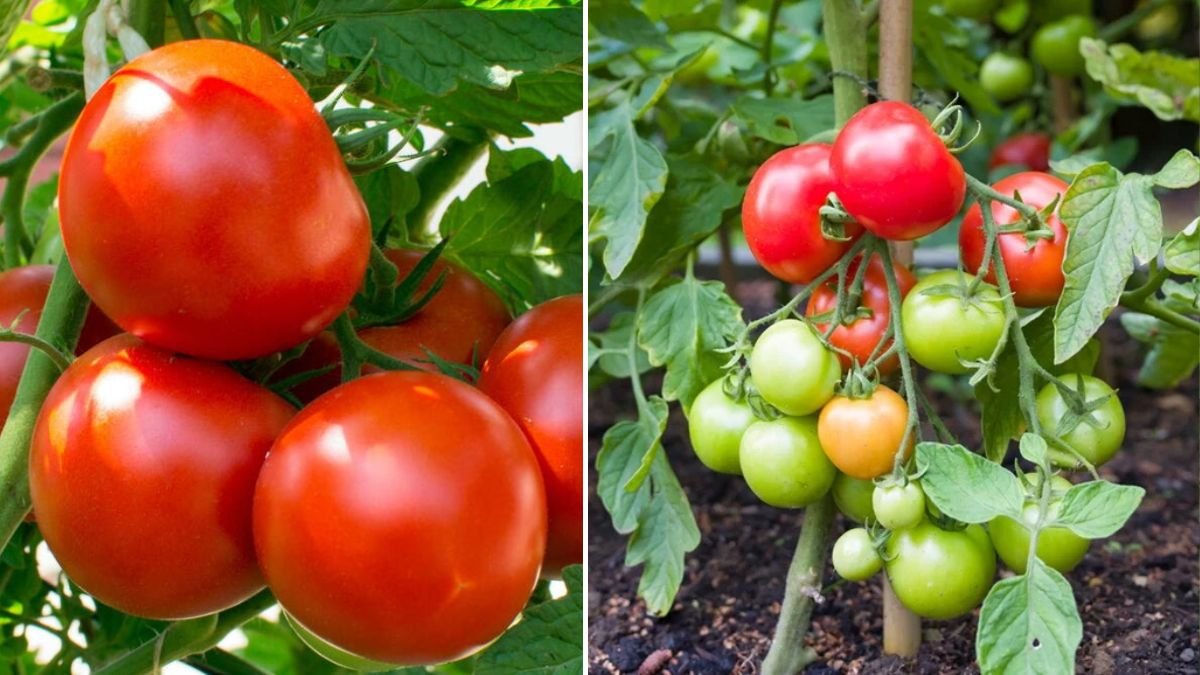

🌿 Introduction: The Joy of Grape Tomatoes
Grape tomatoes are a favorite among home gardeners for their small size, sweet flavor, and high yield. Unlike larger tomato varieties that require extensive care, grape tomatoes are surprisingly resilient and adaptable, making them perfect for beginner gardeners, urban balconies, or small backyard gardens. Many gardeners find themselves asking, “Why didn’t I try this sooner?” — because once the right method is applied, the results are incredibly rewarding. This guide provides step‑by-step instructions to grow grape tomatoes effortlessly, with tips on soil, sunlight, watering, fertilization, and harvesting.
🌱 Why Grape Tomatoes Are Easy to Grow
Grape tomatoes, similar to cherry tomatoes, are prized for their compact growth and prolific fruiting. They generally produce clusters of small, sweet tomatoes that are ideal for snacking, salads, and sauces. Unlike beefsteak tomatoes, they require less space, are less prone to cracking, and have a shorter maturation period (usually 65–75 days from seed to harvest). This makes them highly suitable for both container gardening and traditional garden beds. (backyardboss.net)
Modern gardening trends emphasize urban-friendly crops, and grape tomatoes have emerged as a go-to choice for both new and experienced gardeners. Their forgiving nature means that with proper care, even first-time growers can enjoy abundant harvests without complex maintenance. (thesun.co.uk)
🧑🌾 Step 1: Selecting the Right Variety
Choosing a grape tomato variety suited to your garden conditions is critical. Popular options include:
- Sweet 100: Known for high yields and ultra-sweet taste.
- Yellow Grapes: Sweet and colorful, ideal for salads and snacking.
- Tiny Tim: Compact, suitable for small containers.
Selecting a disease-resistant variety can reduce maintenance and increase success rates, particularly in areas prone to humidity or fungal issues. (nativeindianorganics.com)
🌞 Step 2: Provide Adequate Sunlight
Grape tomatoes thrive with 6–8 hours of direct sunlight daily. Adequate sunlight ensures strong growth, robust flowering, and higher fruit yields. For container gardening, place pots in south-facing locations or use grow lights if natural sunlight is limited. Lack of sufficient sunlight can lead to leggy plants and reduced fruiting. (garvillo.com)
🪴 Step 3: Prepare the Best Soil
Healthy soil is the foundation of easy tomato growth. Key characteristics include:
- Well-drained soil: Prevents root rot and overwatering issues.
- Rich in organic matter: Compost or worm castings improve fertility and soil structure.
- Slightly acidic to neutral pH (6.0–7.0): Ideal for nutrient uptake.
For containers, use a potting mix blended with compost and perlite to balance water retention and aeration. Poor soil conditions are the most common cause of weak growth or low yields. (hunker.com)
🌱 Step 4: Sowing Seeds or Transplanting Seedlings
Seeds:
- Sow ¼ inch deep in starter trays indoors 6–8 weeks before the last frost.
- Keep soil moist and maintain warm conditions for germination (70–75°F / 21–24°C).
- Transplant seedlings when they have 2–3 true leaves and outdoor conditions are stable.
Seedlings:
- If purchasing nursery seedlings, plant them at the same depth they grew in their pots.
- Space plants at least 12–18 inches apart in containers and 18–24 inches in garden beds. Proper spacing allows airflow and reduces the risk of disease. (sharingideas.me)
💧 Step 5: Watering for Consistent Growth
Grape tomatoes need regular, deep watering to encourage strong root development. Guidelines include:
- Water when the top inch of soil is dry.
- Maintain about 1 inch of water per week, increasing in hot or windy conditions.
- Avoid overhead watering, which can cause fungal diseases like blight.
- Mulch around the base to conserve moisture and maintain soil temperature.
Overwatering or inconsistent watering can cause blossom end rot or split fruits, while deep, consistent watering promotes healthy, juicy tomatoes. (hunker.com)
🪴 Step 6: Supporting Your Plants
Even compact grape tomato plants can produce heavy clusters of fruit. Support options include:
- Small tomato cages: Ideal for 1–2 plants in a container.
- Stakes or trellises: Keeps vines upright and improves airflow.
- Pruning excess shoots: Focuses energy on fruiting rather than unnecessary foliage.
Proper support not only prevents plant collapse but also reduces the risk of disease by allowing better air circulation. (hunker.com)
🌿 Step 7: Fertilization and Plant Nutrition
Feed grape tomatoes to promote flowering and fruiting:
- Use balanced, water-soluble fertilizers every 2–3 weeks during the growing season.
- Avoid excessive nitrogen, which encourages leafy growth at the expense of flowers and fruits.
- Compost tea or organic fertilizers can also boost soil health and plant immunity.
Consistent, moderate fertilization ensures sweet, flavorful fruits throughout the season. (sharingideas.me)
✂️ Step 8: Pruning for Maximum Yield
Pruning grape tomatoes improves airflow, reduces disease risk, and encourages the plant to focus energy on fruit production:
- Remove lower leaves that touch the soil.
- Pinch off suckers between main stems and branches.
- Maintain open space in the plant’s center to allow sunlight to reach inner branches.
This simple technique can significantly increase both fruit quantity and quality. (backyardboss.net)
🍅 Step 9: Harvesting Your Grape Tomatoes
Grape tomatoes are ready for harvest when:
- They reach full color (red, yellow, or other variety-specific shades).
- They feel slightly soft to the touch.
- They are plump and flavorful.
Harvest frequently — every few days — to encourage the plant to produce more fruit throughout the season. Proper harvesting ensures continuous production until the end of the growing season. (gardenerbible.com)
✅ Expert Tips: Avoid Common Mistakes
- Insufficient sunlight: Leads to leggy plants and poor fruit set.
- Poor soil drainage: Compacted soil can lead to root rot.
- Inconsistent watering: Causes blossom end rot or cracking.
- No support: Heavy fruit clusters can bend or break stems.
Following these guidelines keeps grape tomato plants healthy, productive, and easy to manage. (meadowlarkjournal.com)
📚 Recommended Authoritative Sources
- Backyard Boss – Grape Tomato Growing Tips: Soil, sunlight, watering, and pruning guidance. (backyardboss.net)
- Hunker – Growing Grape Tomatoes in Pots: Container-specific cultivation guide. (hunker.com)
- Crop Cove – Beginner’s Guide to Grape Tomatoes: Fertilization, pest, and disease management tips. (cropcove.com)
- GardenerBible – Harvest Timing for Grape Tomatoes: Maximize flavor and yield. (gardenerbible.com)
🌟 Conclusion: Start Growing Grape Tomatoes Today
Grape tomatoes are among the most rewarding crops for beginners, offering sweet, flavorful fruits with minimal effort. By selecting the right variety, providing adequate sunlight, maintaining proper soil and watering routines, and supporting your plants, you can enjoy abundant harvests throughout the season. Whether you have a backyard, balcony, or even a sunny windowsill, growing grape tomatoes can be easy, fun, and surprisingly productive. Once you taste your homegrown harvest, you’ll wonder why you didn’t start sooner!