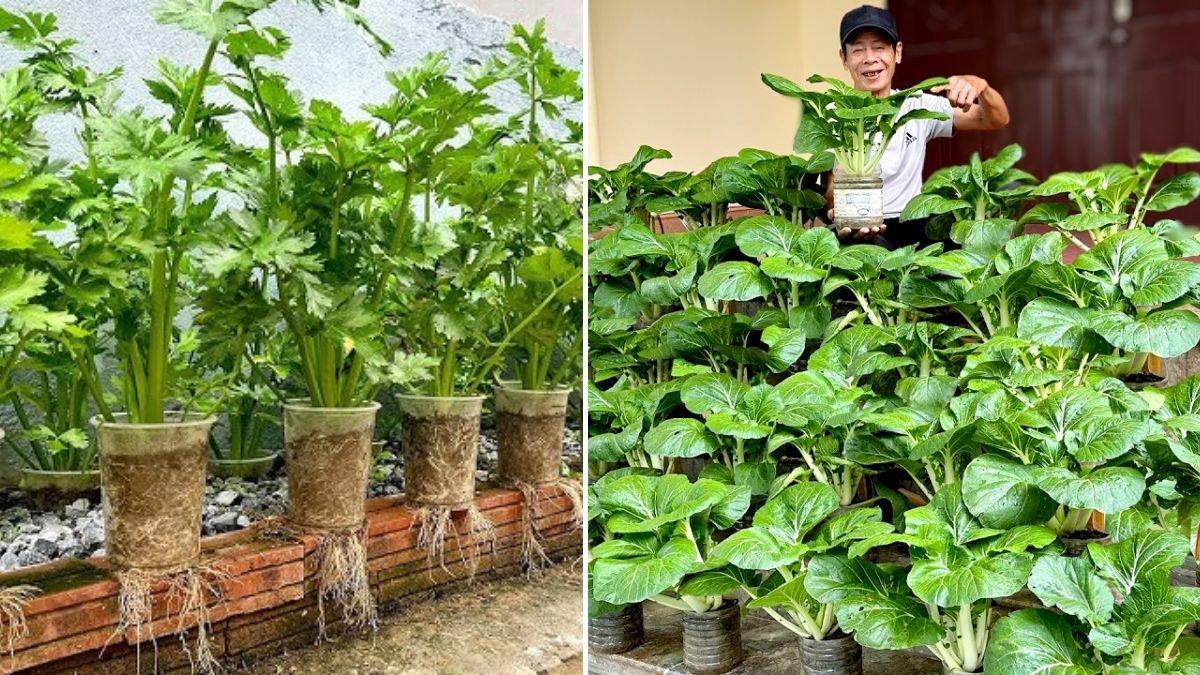

Why a Recycled Garden?
A recycled garden uses everyday waste materials as planters or garden structures instead of purchasing new pots. This practice offers multiple advantages:
- Reduces household waste: Items that might end up in landfills get a second life.
- Saves money: There’s no need to buy expensive garden containers.
- Maximizes space: Creative arrangements, including vertical and hanging gardens, make even small spaces productive.
- Promotes sustainability: Encourages eco-friendly habits and teaches the value of resourcefulness.
Recycled gardening is particularly useful for urban areas where traditional garden space is limited. With creativity, almost anything can become a planter—from old buckets and plastic bottles to wooden crates and even discarded kitchen containers.
Getting Started with the Easiest Recycled Garden
Creating a recycled garden is simple, and the following steps provide a comprehensive guide for beginners.
1. Collect and Prepare Materials
Gather materials that can safely hold soil and water without leaching harmful substances:
- Plastic bottles (soda or water bottles)
- Old buckets, bins, or containers
- Wooden pallets
- Cardboard boxes or cartons
- Egg cartons for seed starters
- Tin cans (with holes for drainage)
Wash all items thoroughly to remove dirt or residues, and ensure proper drainage by drilling holes in the bottom. Drainage is critical to prevent waterlogging and root rot.
2. Design Your Garden Layout
Depending on your space and available materials, you can create a variety of garden designs:
- Vertical gardens: Stack bottles, cans, or containers on walls or railings.
- Tiered planters: Use larger containers at the bottom and smaller ones above to save space.
- Raised bed style: Line bins or crates with compost and soil to mimic a traditional garden bed.
- Window gardens: Place lightweight containers on window sills with enough sunlight.
Vertical and compact designs are perfect for balconies, patios, and small terraces, making the garden productive while occupying minimal floor space.
3. Use High-Quality Soil and Compost
Even the best recycled container cannot compensate for poor soil. Use a nutrient-rich mix for maximum productivity:
- Potting mix or garden soil (light and airy)
- Compost from kitchen scraps or purchased organic compost
- Sand or coco peat to improve drainage and aeration
If possible, make compost from your kitchen waste, including vegetable peels, eggshells, and coffee grounds. This not only enriches your soil but also reduces organic waste.
4. Choose Easy-to-Grow Vegetables
Certain vegetables are particularly suited for recycled container gardening:
- Herbs: Basil, parsley, mint, coriander
- Leafy greens: Lettuce, spinach, kale
- Small fruiting vegetables: Cherry tomatoes, chillies, peppers
- Root vegetables: Radishes, baby carrots (in deeper containers)
Beginner gardeners may want to start with faster-growing plants like herbs and leafy greens, which offer a quick and rewarding harvest.
5. Sow Seeds and Plant Properly
For successful growth, consider the following tips:
- Plant seeds according to the recommended depth (usually 0.5–1 cm for small vegetables)
- Space seeds appropriately to prevent overcrowding
- Thin seedlings after sprouting to allow room for roots and leaves
- For vertical planters, ensure top-to-bottom watering allows water to reach all plants
Proper planting ensures strong root systems and healthy, productive crops.
6. Provide Adequate Sunlight
Most vegetables require 6–8 hours of sunlight daily. If growing indoors:
- Place containers near bright windows
- Consider grow lights for areas with insufficient natural light
Sunlight is crucial for photosynthesis and overall plant health.
7. Water and Maintain Your Garden
Watering is critical in container gardening because soil can dry out faster than garden beds:
- Keep soil consistently moist but not soggy
- Mulch the soil surface with dried leaves, straw, or shredded paper to retain moisture
- Monitor plant health and remove dead or yellowing leaves
Containers may require more frequent watering, especially during hot weather or dry seasons.
8. Fertilize Sparingly
Use organic fertilizers or compost to provide nutrients. Avoid high-nitrogen fertilizers, which promote leafy growth over root and fruit development. Apply fertilizers every 3–4 weeks, depending on plant requirements.
9. Monitor for Pests and Problems
Even recycled gardens can encounter common issues:
- Forked roots or stunted growth: Usually due to crowded planting or compacted soil.
- Leaf discoloration: Could indicate nutrient deficiencies.
- Overwatering: Leads to root rot.
Regular observation allows you to act quickly and maintain a productive garden.
Benefits of the Recycled Garden Approach
- Eco-Friendly: Reduces household waste and repurposes materials.
- Affordable: Uses readily available materials instead of buying new pots.
- Creative and Customizable: Build vertical, tiered, or hanging gardens tailored to your space.
- Educational: Great for teaching children about sustainability, gardening, and plant biology.
- High Yield in Small Spaces: Even small balconies can produce enough vegetables for a family.
This approach turns discarded items into valuable gardening tools while producing fresh, organic food.
Expert Tips for Success
- Start seedlings in egg cartons or paper tubes before transplanting.
- Rotate containers for even sunlight exposure.
- Use self-watering bottles or reservoirs for hot climates.
- Combine compost with kitchen waste for continuous nutrient supply.
- Choose shorter or dwarf vegetable varieties for container gardening.
By following these tips, your recycled garden will thrive and remain productive all year.
Authoritative Sources
For more detailed information and inspiration:
- Organic Gardener – 13 Easy Recycling Tips
https://organicgardener.co.uk - Top Recycling Garden Ideas
https://www.jux2.com - How to Grow Vegetables in Recycled Containers
https://gardenandallotment.com - Eco-Friendly Gardening Guide
https://www.freshtimefoods.com - YouTube: Easiest Recycled Garden – Dream Veggie Patch from Trash!
https://www.youtube.com/watch?v=bKiFF-1kV5Y
Final Thoughts
The Easiest Recycled Garden – Dream Veggie Patch from Trash! Super Easy & Productive! method proves that anyone can create a thriving vegetable garden with minimal cost, minimal space, and minimal experience. By repurposing everyday waste, you not only save money but also reduce your environmental footprint, turning trash into treasure.
From balcony gardens to indoor windowsill planters, recycled gardening empowers you to grow fresh, healthy, and organic vegetables while embracing sustainability and creativity. Start today, and in a few weeks, you’ll have a productive, eco-friendly veggie patch full of life and nutrition.