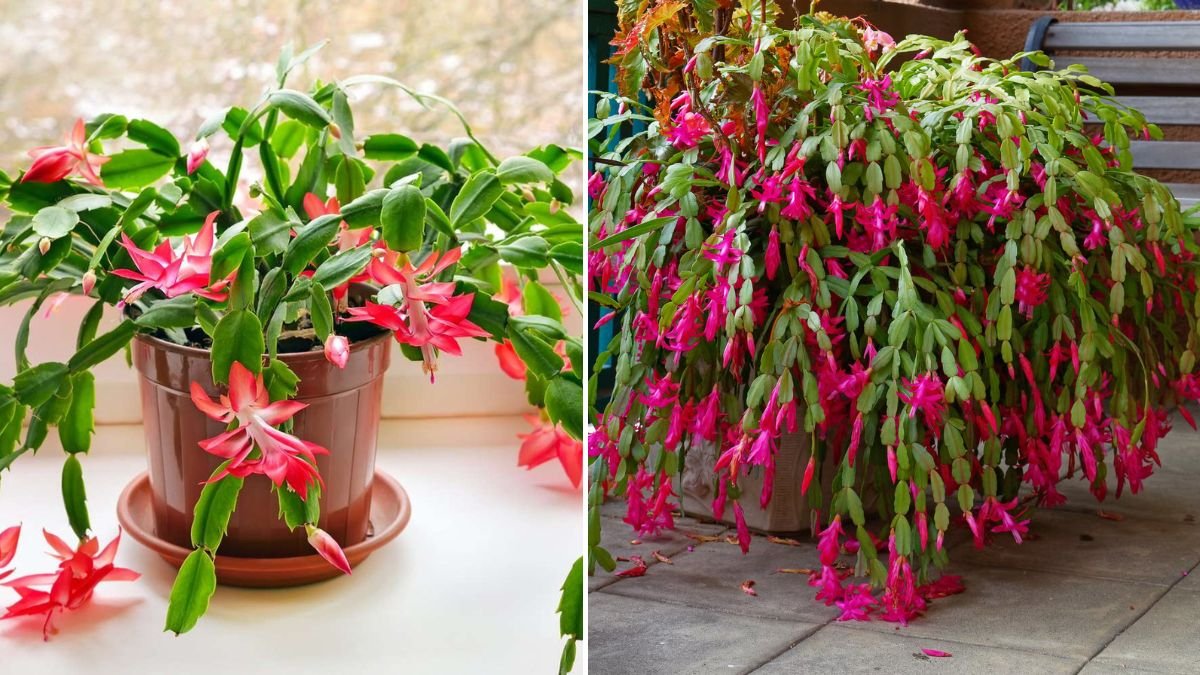

Understanding Your Holiday Cactus
Unlike desert cacti, holiday cacti are tropical epiphytes, native to the rainforests of Brazil. They thrive in the understory of forests, attaching themselves to trees and absorbing nutrients from the air, rain, and organic debris. Their flowering cycle is not determined by drought or high heat but by photoperiods (day length) and cool nighttime temperatures.
These plants rely on seasonal cues to know when to switch from vegetative growth to flowering. By mimicking these cues indoors, you can successfully encourage your holiday cactus to produce its beautiful blooms.
Light: The Most Crucial Factor
A holiday cactus needs 12–14 hours of uninterrupted darkness each night for six to eight weeks to initiate flower bud formation. This is called a “photoperiodic response,” where the plant senses shortening days and cooler nights as a signal to bloom.
Even brief exposure to artificial light—whether from lamps, streetlights, or televisions—can prevent flower buds from forming. To ensure success:
- Move your plant to a quiet, dimly lit room at night.
- Cover the plant with a light-blocking cloth or cardboard box if necessary.
- Maintain this darkness consistently for 6–8 weeks.
During the day, the plant should receive bright, indirect light. Direct sunlight may burn the leaves, while too little light can result in weak, leggy growth. The right balance of light and darkness is essential to trigger blooming.
Temperature: Cool Nights Encourage Buds
Holiday cacti respond to cool nighttime temperatures. Ideally, aim for 50–60°F (10–15°C) during the bud initiation period. Daytime temperatures can be slightly warmer, around 65–70°F (18–21°C). This daily temperature fluctuation signals the plant that winter is approaching and that it’s time to flower.
Once buds appear, maintaining moderate warmth and bright, indirect light helps flowers develop fully and last longer. Avoid placing the plant near heat sources, drafty windows, or fireplaces, as sudden temperature changes can stress the plant and cause buds to drop prematurely.
Watering: Timing and Technique
Watering plays a key role in re-blooming, but it must be timed correctly:
- Before buds form: Reduce watering. Allow the top inch of soil to dry out between waterings. Mild stress encourages the plant to focus energy on flower bud development rather than excessive foliage.
- After buds appear: Resume moderate watering. Keep soil lightly moist, not soggy, to support blooming. Overwatering can cause root rot, while underwatering can stress the plant and reduce flower production.
Consistent moisture is key during the blooming period, but overwatering can quickly undo your progress. Using a well-draining potting mix helps prevent waterlogging while providing adequate hydration for healthy roots.
Fertilizing: Feed at the Right Time
Proper fertilization helps your holiday cactus stay healthy and supports blooming:
- During spring and summer: Apply a diluted, balanced fertilizer (e.g., 10‑10‑10) every 2–4 weeks to encourage growth.
- Six to eight weeks before blooming: Stop fertilizing. Excess nutrients, especially nitrogen, can encourage leafy growth at the expense of flower bud formation.
- After flowering: Once the plant finishes blooming, resume light feeding to support vegetative growth and prepare for next year.
Timing fertilizer correctly ensures the plant diverts energy toward blooms rather than foliage. Using an organic fertilizer or compost tea can also promote healthy roots without over-stimulating leaf growth.
Post-Bloom Care: Recovery and Preparation
After your holiday cactus has finished blooming, proper post-bloom care is essential to prepare it for the next season:
- Remove spent flowers: This tidies the plant and redirects energy to root and branch development.
- Reduce watering: The plant requires less moisture during its post-bloom rest period, typically in winter. Water only when the top inch of soil is dry.
- Avoid fertilizing: Hold off on fertilization until the plant resumes new vegetative growth, usually in late winter or early spring.
- Prune lightly: Trim leggy branches or sections that need shaping. This encourages branching and potentially more buds next season.
If your cactus becomes root-bound, consider repotting every 3–4 years using a well-draining mix of cactus soil and perlite or sand. Avoid excessive disturbance to roots, as this can stress the plant and delay blooming.
Common Mistakes That Prevent Re-Blooming
Even experienced gardeners sometimes struggle to get holiday cacti to flower. Avoid these common errors:
- Too much light at night: Any artificial light can interrupt the dark period required for bud formation.
- Overwatering: Constantly wet soil inhibits flower bud formation and can cause root rot.
- Fertilizing too late in the season: Feeding too close to bud initiation encourages leaf growth instead of flowers.
- Inconsistent temperatures: Large swings in night and day temperatures or overly warm nights can confuse the plant’s bloom signals.
Addressing these mistakes ensures your plant receives clear cues to initiate and sustain flower development.
Propagation: Bonus Tip for More Plants
Holiday cacti are easy to propagate, which can increase your plant collection and ensure flowering variety:
- Snip 2–4 inch healthy segments from a mature plant after flowering.
- Let the cut ends dry for a few hours to form a callus.
- Plant the segments in a well-draining potting mix and keep lightly moist.
- Within weeks, roots should develop, and new plants can grow to produce blooms in subsequent years.
Propagation is a low-effort way to expand your collection and potentially share plants with friends or family.
Suggested Authoritative Sources
For further guidance and detailed seasonal care instructions:
- Easy to Grow Bulbs – How to Get Your Holiday Cactus to Re-Bloom (easytogrowbulbs.com)
- The Spruce – Holiday Cactus Care and Reblooming Tips (thespruce.com)
- Garden Lovers Club – Tips for Getting Christmas Cactus to Bloom (gardenloversclub.com)
- Tom’s Guide – Keeping Your Christmas Cactus Blooming (tomsguide.com)
Conclusion
Getting your holiday cactus to re-bloom is a matter of understanding its natural cues and providing consistent care. Key strategies include:
- Providing 12–14 hours of uninterrupted darkness for 6–8 weeks
- Maintaining cool night temperatures with slightly warmer days
- Adjusting watering and fertilization during bud initiation
- Practicing post-bloom care to rest and rejuvenate the plant
With these techniques, your holiday cactus can produce beautiful, vibrant blooms year after year, adding festive color and charm to your home. By following simple seasonal routines and avoiding common mistakes, even casual gardeners can enjoy the satisfaction of a reliably flowering holiday cactus.