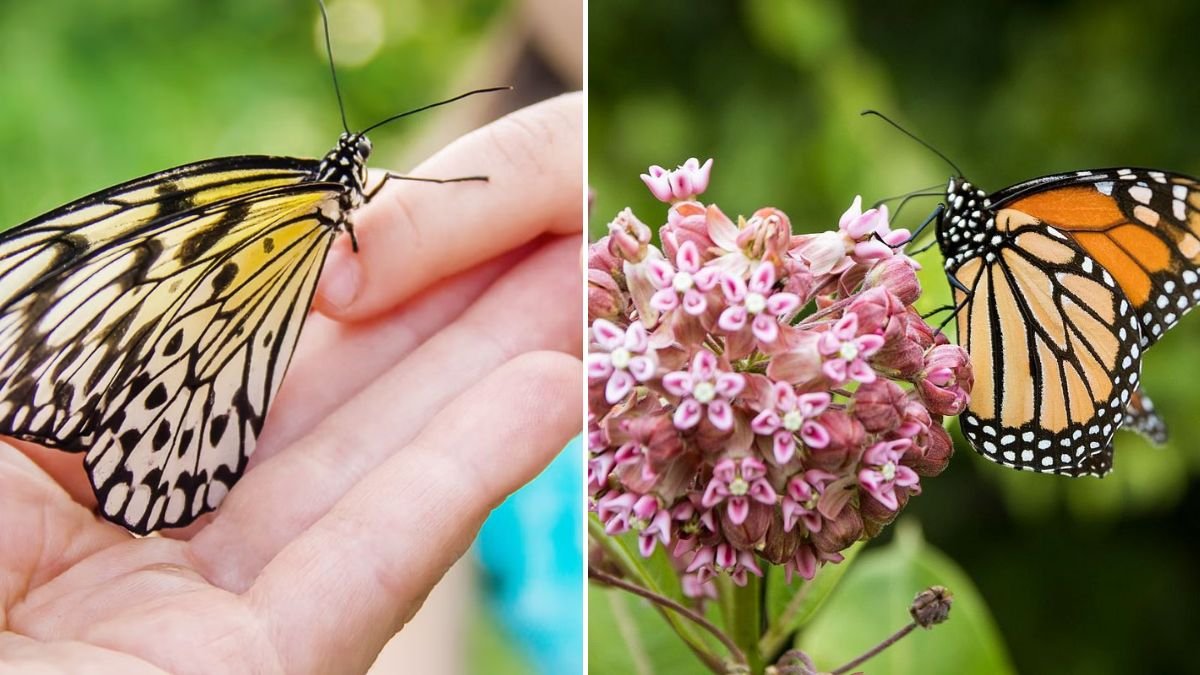

The Butterfly Crisis: Why It Matters
Butterflies are more than just colorful symbols of nature. They play a vital role in pollination, supporting the reproduction of flowers and many of the fruits, vegetables, and nuts we rely on. They also act as indicators of ecosystem health, signaling when habitats are thriving or under stress. Yet, recent studies show that butterfly populations are declining dramatically across the globe.
A 2025 study published in Science estimated a 22% drop in total butterfly abundance across the U.S. between 2000 and 2020. These declines are linked to habitat loss, widespread pesticide use, invasive species, and climate change. Certain iconic species, such as the monarch butterfly, are particularly vulnerable. In some regions, monarch numbers have fallen by more than 80% over the past two decades. (wbur.org)
The implications of these declines extend far beyond aesthetics. Butterflies and other pollinators support agriculture, gardens, and wild ecosystems, and their loss could disrupt plant reproduction and food production. Conserving butterflies is not just about saving a beautiful insect — it’s about protecting the ecosystems that sustain human life.
Key Threats to Butterfly Populations
Understanding why butterfly populations are declining is essential to taking action. Here are the main factors:
1. Habitat Destruction
Urban development, agricultural expansion, and deforestation remove the wildflower meadows and host plants that butterflies rely on. Without these habitats, butterflies struggle to feed, mate, and lay eggs. A fragmented landscape also makes it harder for populations to recover after extreme weather or other environmental stressors. (nps.gov)
2. Pesticides and Chemicals
Modern agricultural chemicals, including neonicotinoids, affect not only the targeted pests but also non-target species like butterflies. Exposure can weaken immune systems, disrupt feeding, or kill caterpillars directly. Even gardeners using chemical insecticides in small amounts can unintentionally reduce local butterfly numbers. (nps.gov)
3. Loss of Plant Diversity
Many butterflies are host-specific, meaning their caterpillars feed only on particular native plants. When these plants disappear due to non-native landscaping or invasive species, the butterflies have nowhere to lay eggs. Adult butterflies also depend on a diverse array of nectar plants to sustain them throughout their life cycle. (usgs.gov)
4. Climate Change
Shifts in temperature and rainfall patterns disrupt the timing of flowering plants, which can lead to mismatches between butterfly emergence and nectar availability. Extreme weather events like droughts, floods, or unseasonable frosts can further threaten vulnerable populations.
How Growing Native Plants Can Help
One of the most effective ways to support butterflies is by planting native plants in your garden, yard, or community space. Native plants have evolved to thrive in your region and provide the nectar and host plants butterflies need to survive. Unlike many ornamental non-native plants, they are perfectly suited to local conditions and ecosystems. (rhs.org.uk)
Benefits of Native Plants for Butterflies
- Host Plant Support:
Caterpillars often feed on very specific plants. For example, monarch caterpillars only eat milkweed species. Planting these hosts ensures that butterfly eggs have a safe place to grow. (rotary.org) - Extended Nectar Supply:
Native plants can bloom at various times during the growing season, offering a continuous source of nectar for adult butterflies from spring through fall. - Habitat Connectivity:
Butterflies thrive when gardens, parks, and natural areas form corridors. Planting native flowers in urban or suburban yards helps connect fragmented habitats, allowing butterflies to travel safely and maintain genetic diversity. (nationalwildlife.org)
Practical Steps to Create a Butterfly-Friendly Garden
You don’t need a large property to make a difference. Even small urban gardens can support pollinators when designed thoughtfully.
1. Select the Right Plants
- Milkweed species: Essential for monarch caterpillars.
- Native wildflowers: Coneflower, bee balm, goldenrod, asters, and black-eyed Susan attract a variety of butterflies.
- Layered plantings: Include groundcovers, perennials, shrubs, and small trees to provide food and shelter at multiple heights. (rhs.org.uk)
2. Support the Full Life Cycle
Butterflies need both nectar for adults and host plants for caterpillars. Include a mix of plants that serve both purposes to maximize survival rates. (abc.net.au)
3. Avoid Pesticides
Chemical insecticides, fungicides, and herbicides can harm butterflies and other beneficial insects. Opt for natural pest control, such as introducing predatory insects or manually removing pests.
4. Provide Shelter and Microhabitats
- Leave leaf litter: Provides shelter for pupae and overwintering insects.
- Rock piles or logs: Offer resting and hiding places for caterpillars and butterflies.
- Water sources: Shallow dishes or mud puddles give butterflies minerals and hydration. (theguardian.com)
Community and Policy Action
While individual gardens are powerful, community-level initiatives multiply impact:
- Pollinator Gardens: Many cities participate in the National Pollinator Garden Network to create connected habitats.
- Education Programs: Schools and community centers can teach children about butterfly life cycles and native plants.
- Advocacy: Support legislation that limits pesticide use and protects natural habitats.
These efforts not only help butterflies but also strengthen ecosystems, support other pollinators like bees and hummingbirds, and increase biodiversity in urban areas.
Recommended Authoritative Sources
For further reading and guidance, consider:
- National Park Service — Pollinators in Trouble: nps.gov
- Butterfly Pavilion — Protecting Pollinators: butterflies.org
- National Wildlife Federation — Pollinator Habitat: nationalwildlife.org
- Royal Horticultural Society — Native and Non-Native Plants for Pollinators: rhs.org.uk
Conclusion
Butterfly populations are declining at an alarming rate, but there is hope. By planting native plants, providing habitat for all life stages, avoiding harmful chemicals, and participating in community initiatives, gardeners can make a real difference.
Every garden, no matter how small, can serve as a stepping stone for butterflies, creating safe spaces for feeding, breeding, and migration. With collective action, we can ensure that these vibrant pollinators continue to grace our landscapes for generations to come.
Take action today: plant native flowers, protect host plants, and invite butterflies back into your garden — because a world without butterflies is a world losing its magic.