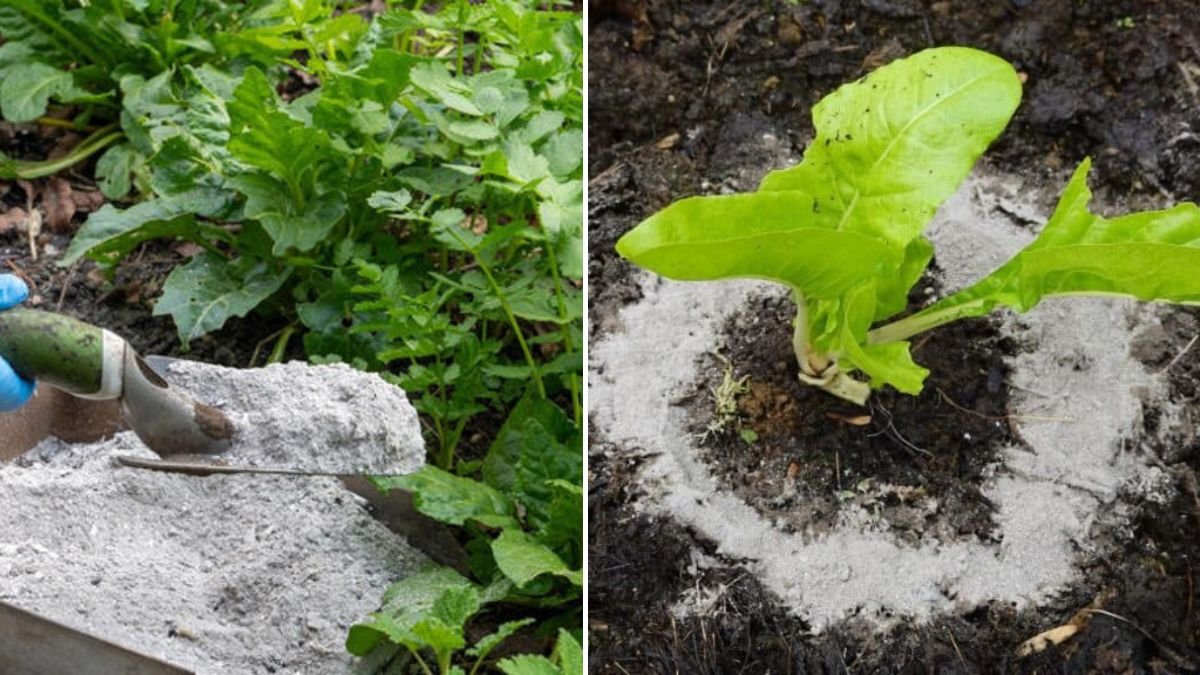

If you use a wood stove, fireplace, or enjoy the occasional campfire, you might be throwing away a surprisingly valuable resource: wood ash. Far from being useless, wood ash contains vital nutrients like potassium, calcium, and magnesium, along with trace minerals that can enrich your garden soil. With careful use, it can act as a natural fertilizer, improve soil structure, and even adjust soil pH to support plants that prefer neutral to slightly alkaline conditions.
Recent gardening guides emphasize using wood ash as part of a sustainable, zero-waste gardening strategy. By repurposing ashes, gardeners can save money, reduce chemical fertilizers, and promote healthier plant growth. However, not all plants benefit equally, and overuse can raise soil pH too high or add harmful salts. Soil testing and moderation are key to getting the most from this simple, natural resource. (plants.sorumatik.co)
Why Wood Ash Is Beneficial for Plants
Wood ash has long been considered “nature’s fertilizer” because it supplies essential nutrients that most plants need for healthy growth. Key benefits include:
- Potassium (K): Improves water regulation, flower production, and fruit development.
- Calcium (Ca): Strengthens cell walls and reduces common disorders like blossom end rot in tomatoes.
- Magnesium (Mg): Supports chlorophyll production for photosynthesis.
- Alkalinity: Neutralizes acidic soils, making nutrients more accessible to many garden plants.
It is important to note, however, that wood ash contains little to no nitrogen, so it cannot replace a balanced fertilizer entirely. Also, only ash from untreated, natural wood should be used. Avoid ashes from painted or pressure-treated wood, as well as charcoal briquettes, which can contain harmful chemicals. (plantcaredairy.com)
16 Plants That Benefit from Wood Ash
Below is a list of plants that respond well to wood ash applications, along with the benefits they receive:
Vegetables & Root Crops
- Tomatoes – Potassium and calcium improve fruit set and reduce blossom end rot. (healthy-juice.co)
- Brussels Sprouts – pH adjustment and nutrient boost help structural development. (hunker.com)
- Turnips – Benefit from potassium and a slight reduction of club root pressure. (hunker.com)
- Kale – Gains micronutrients and potassium for lush leafy growth. (hunker.com)
- Carrots – Better root development in soils with neutral to slightly alkaline pH. (housedigest.com)
- Asparagus – A perennial vegetable that benefits over time from pH adjustment and potassium. (uk.style.yahoo.com)
Fruit Trees & Berries
- Apple Trees – Improved soil conditions support healthy growth and larger fruit. (housedigest.com)
- Stone Fruit Trees (pears, cherries, plums) – Benefit from nutrient enrichment and potassium for flowering and fruiting. (uk.style.yahoo.com)
- Raspberries & Blackberries – Moderate ash levels improve nutrient availability without harming roots. (greatgardenplans.com)
Flowers & Ornamentals
- Roses – More vibrant blooms and stronger stems with potassium and calcium. (hunker.com)
- Lilacs – Benefit from slightly alkaline soil for stronger growth. (uk.style.yahoo.com)
- Lavender – Thrives in neutral to slightly alkaline soil with better mineral balance. (uk.style.yahoo.com)
- Clematis – Gains vigor and better flowering from pH adjustment. (hunker.com)
- Sedum – Hardy perennial that tolerates higher pH and benefits from minerals. (hunker.com)
- Geraniums – Adaptable to higher pH and enhanced potassium availability. (hunker.com)
Other Garden Favorites
- Beans – Respond positively to potassium boosts when soil is not already highly alkaline. (hunker.com)
Note: Acid-loving plants such as blueberries, rhododendrons, and azaleas do not benefit from wood ash. Applying ash to their soil can increase pH too much and hinder nutrient uptake.
How to Apply Wood Ash Safely
Even beneficial plants need moderation when it comes to ash. Follow these expert tips:
Test Your Soil
Always perform a soil pH test before applying wood ash. If your soil is already neutral or slightly alkaline, adding ash may harm plants. (plants.sorumatik.co)
Apply Sparingly
Spread wood ash thinly and mix it into the top few inches of soil. Overapplication can lead to excessive pH and nutrient imbalances.
Timing Matters
Apply ash in early spring or fall when plants are not in the most sensitive stages. Avoid applying directly on seedlings or young plants. (healthy-juice.co)
Combine with Compost
Adding ash to compost allows the nutrients to integrate gradually and balances pH before reaching the plants. This method is especially useful in mixed gardens with acid-loving and neutral plants. (hunker.com)
Recommended Authoritative Sources
- Hunker – What Plants Like Wood Ash: Complete guide on suitable plants and safe application. (hunker.com)
- PlantSorumatik – Plants That Benefit from Wood Ash: Expert breakdown of soil pH, plant types, and nutrient benefits. (plants.sorumatik.co)
- House Digest – Plants That Love Wood Ash Fertilizer: Tips for application timing, safety, and plant-specific advice. (housedigest.com)
- PlantCareDairy – Wood Ash Benefits & Risks: Explains both the advantages and pitfalls of using wood ash in gardening. (plantcaredairy.com)
Final Thoughts
Wood ash is a powerful, natural soil amendment that can improve plant growth, boost flowering and fruiting, and reduce the need for chemical fertilizers. By using it judiciously and matching it with plants that benefit from its alkalinity and nutrient content, gardeners can turn fireplace waste into a garden treasure.
From vegetables like tomatoes and carrots to fruit trees, berries, and flowering ornamentals, wood ash has a wide range of applications. Always remember moderation, soil testing, and careful application to maximize benefits without harming plants.
Instead of throwing it away, save your wood ash, follow expert guidelines, and watch your garden flourish. With careful use, these 16 plants — and many more — will literally “thank you” with stronger growth, healthier leaves, and more vibrant blooms.