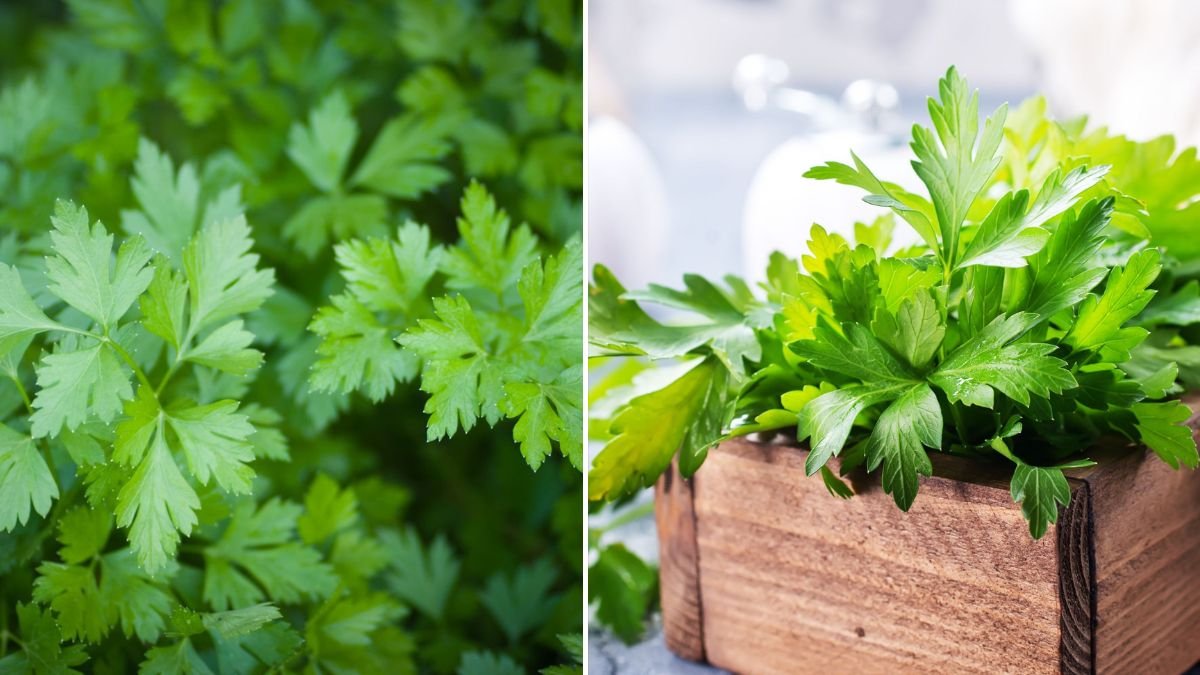

Parsley (Petroselinum crispum) is more than just a kitchen staple—it’s a powerful companion plant in the garden. Known for its bright green leaves, mild flavor, and nutrient-packed profile, parsley not only enhances culinary dishes but also benefits neighboring plants when used strategically. Companion planting with parsley can improve growth, deter pests, and even enhance flavor.
Whether you’re a seasoned gardener or just starting, pairing parsley with the right vegetables can maximize your garden’s productivity and health. Here’s a guide to 11 vegetables that love growing alongside parsley and tips for making the most of this versatile herb.
Why Parsley Makes a Great Companion Plant
Parsley has several qualities that make it a valuable addition to any vegetable garden:
- Attracts beneficial insects: Its small flowers draw predatory insects like ladybugs, which help control aphids.
- Repels pests: Some pests are deterred by the scent of parsley.
- Improves growth of neighboring plants: Certain vegetables, like tomatoes, cucumbers, and asparagus, grow stronger and produce more when planted near parsley.
- Adds soil nutrients: Parsley has deep roots that help aerate the soil, improving water and nutrient uptake for surrounding plants.
By combining parsley with compatible vegetables, you create a more balanced, productive garden ecosystem.
1. Tomatoes
Parsley and tomatoes are a classic pairing. Parsley attracts predatory insects that feed on tomato pests, such as aphids and spider mites. Additionally, parsley’s scent may confuse tomato pests and reduce infestations.
Tip: Plant parsley at the base of tomato plants to maximize protection and create a natural pest-repelling barrier.
2. Asparagus
Asparagus thrives when planted near parsley because the herb attracts beneficial insects that prey on asparagus beetles. Parsley’s deep roots also improve soil structure, helping asparagus roots grow strong and healthy.
Tip: Interplant parsley among asparagus spears to encourage vigorous growth and reduce pest problems.
3. Carrots
Carrots and parsley are complementary in growth habits. Parsley attracts hoverflies and parasitic wasps that feed on carrot pests, such as carrot root flies. In return, carrots provide soil cover that can help retain moisture for parsley.
Tip: Mix parsley and carrots in rows to encourage mutual pest protection and maintain healthy soil.
4. Chives
Chives and parsley are mutually beneficial companions. Chives repel aphids and other pests, while parsley attracts beneficial insects. Together, they create a natural pest control system in your garden.
Tip: Plant parsley between clumps of chives to boost flowering insect activity and overall garden health.
5. Corn
Parsley can help corn plants by attracting predatory insects that feed on corn pests like caterpillars and aphids. Its low-growing habit allows corn to receive sunlight while parsley provides pest control.
Tip: Plant parsley around corn edges or between corn rows to attract beneficial insects without shading the crop.
6. Peppers
Parsley enhances the growth and flavor of peppers by attracting beneficial insects and improving soil structure. It also helps deter pests that commonly attack pepper plants.
Tip: Plant parsley at the base of pepper plants to provide natural pest protection while adding visual greenery.
7. Onions
Onions benefit from parsley’s pest-repelling properties. While onions deter some pests, parsley enhances the garden ecosystem by attracting helpful insects that target common onion pests.
Tip: Grow parsley and onions together in alternating rows for a balanced companion planting effect.
8. Radishes
Parsley grows well with radishes because it attracts predatory insects that control pests such as flea beetles. Radishes, in turn, grow quickly and don’t compete heavily for nutrients.
Tip: Interplant parsley and radishes to improve pest resistance and make efficient use of garden space.
9. Lettuce
Parsley pairs beautifully with lettuce. Its upright growth provides a slight shade for lettuce in hot weather, reducing leaf scorch. Additionally, parsley attracts insects that prey on aphids, which commonly attack lettuce.
Tip: Plant parsley near lettuce beds to provide natural pest control and light shading.
10. Cucumbers
Cucumbers are prone to aphids and cucumber beetles. Parsley attracts hoverflies and parasitic wasps that feed on these pests, improving cucumber yields and plant health.
Tip: Plant parsley around cucumber vines to reduce pest damage and encourage stronger growth.
11. Celery
Celery thrives with parsley because it shares similar soil and water requirements. Parsley attracts beneficial insects that prey on common celery pests, while both plants provide greenery that helps retain soil moisture.
Tip: Space parsley and celery plants closely to maintain humidity and protect soil from drying out.
Tips for Planting Parsley with Vegetables
- Sunlight: Most vegetables and parsley prefer full to partial sun. Ensure they get at least 4–6 hours of light daily.
- Watering: Parsley likes consistently moist soil, so water regularly, especially in hot weather.
- Soil: Plant parsley in well-draining soil rich in organic matter. Many companion vegetables share similar soil needs.
- Spacing: Avoid overcrowding; give plants enough room to grow without competing for nutrients.
- Succession Planting: Rotate parsley and its companion vegetables to maintain soil health and reduce disease risk.
Benefits of Companion Planting with Parsley
- Pest control: Reduces reliance on chemical insecticides.
- Increased yield: Plants grown with parsley often produce more fruits and leaves.
- Enhanced flavor: Some vegetables, like tomatoes and peppers, taste better when grown alongside parsley.
- Biodiversity: Encourages a healthy garden ecosystem by attracting beneficial insects.
By strategically pairing parsley with compatible vegetables, you create a thriving, low-maintenance garden that supports both plant health and productivity.
Conclusion
Parsley is more than just a flavorful herb for your kitchen—it’s a garden powerhouse. When paired with the right vegetables, it improves growth, deters pests, and encourages a vibrant, productive garden.
The 11 companion vegetables that thrive with parsley—including tomatoes, carrots, cucumbers, and peppers—benefit from its ability to attract beneficial insects, improve soil, and support healthy growth. By incorporating parsley into your vegetable garden, you can increase yields, reduce chemical use, and enjoy a more resilient, eco-friendly garden.
With thoughtful planning and strategic companion planting, parsley becomes the herb that keeps on giving—not just in flavor but in the overall health and productivity of your garden.