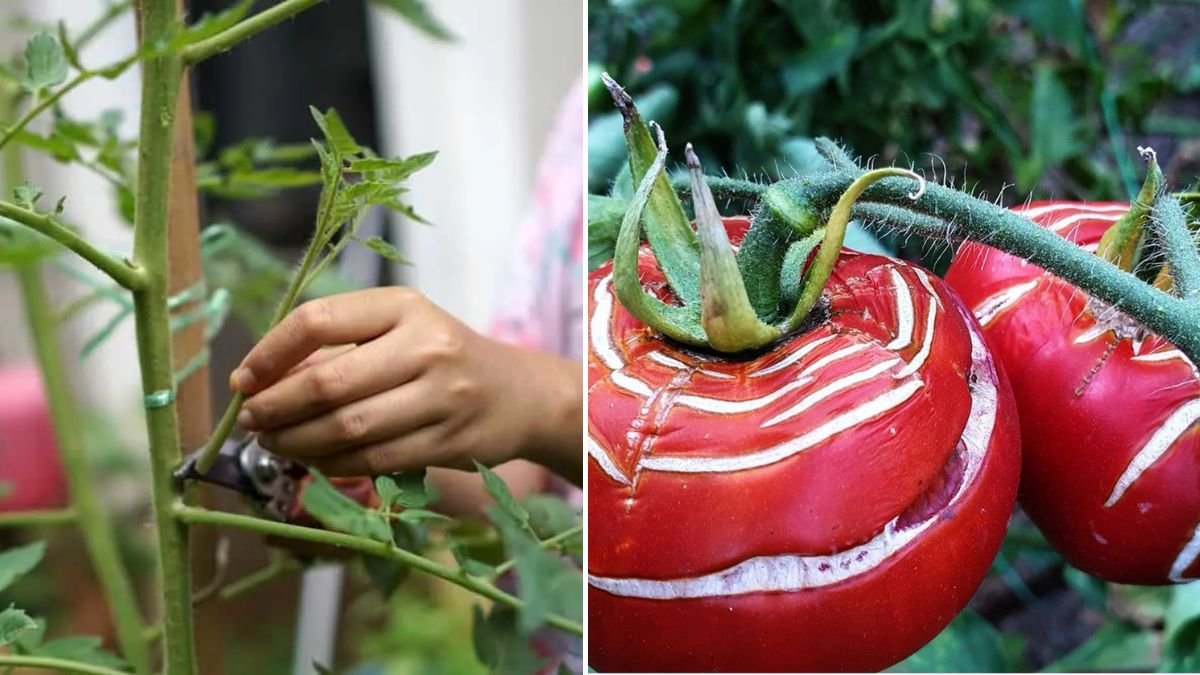

Tomatoes are among the most popular garden plants, loved for their sweet, juicy fruits and their versatility in the kitchen. But every gardener has faced it: a favorite tomato plant gets damaged—maybe a storm snaps a branch, a pet knocks it over, or disease weakens part of it. Instead of tossing it out, you can actually grow more tomatoes from a broken plant using simple techniques. With a little care, a damaged tomato plant can become the source of several new healthy plants, saving you money and boosting your garden harvest.
Here’s a complete guide on how to rescue a broken tomato plant and multiply it into thriving new plants.
Why Broken Tomato Plants Can Still Thrive
Many gardeners assume that once a tomato plant is broken or snapped, it’s lost forever. In reality, tomato plants are remarkably resilient. They have the ability to grow new roots from cuttings or damaged stems, making them perfect candidates for propagation.
By turning a broken tomato plant into multiple plants, you can:
- Recover from accidental damage quickly.
- Multiply your plants without buying new seedlings.
- Increase your harvest for the season.
- Save money and reduce waste.
Step 1: Assess the Damage
Before doing anything, take a careful look at the broken plant. Ask yourself:
- Which stems are completely snapped?
- Are there still healthy leaves and branches?
- Is the main stem salvageable, or do I need to propagate cuttings?
If the main stem is broken near the base, don’t worry—tomatoes can grow roots from cuttings taken from any healthy branch. If a side branch is broken, you can often replant it in soil or water to grow a new plant.
Step 2: Gather Materials for Propagation
You’ll need a few simple items:
- Sharp scissors or pruning shears (clean to prevent disease)
- Small pots or containers
- Potting soil or water jars
- Optional: Rooting hormone to speed up root development
Having everything ready makes the process smooth and increases your chances of success.
Step 3: Take Healthy Cuttings
Choose stems that are healthy, green, and about 6–8 inches long. Avoid branches that are diseased, brown, or wilted. Cut just below a leaf node—the spot where a leaf grows from the stem—because this is where roots are most likely to develop.
Remove the lower leaves, leaving only a few at the top. This reduces moisture loss while the cutting grows new roots.
Step 4: Rooting in Water or Soil
There are two main ways to root tomato cuttings:
Water Method:
- Place the cuttings in a jar or glass of water.
- Keep them in bright, indirect sunlight.
- Change the water every few days to prevent stagnation.
- Roots usually appear in 1–2 weeks.
Soil Method:
- Plant the cutting directly into moist, well-draining soil.
- Water lightly to keep the soil damp, not soggy.
- Cover with a plastic bag or clear container to retain humidity.
- Roots develop in 2–3 weeks.
Once the roots are a few inches long, transplant the cuttings into larger pots or directly into the garden.
Step 5: Care for Your New Plants
After transplanting, new tomato plants need proper care to thrive:
- Light: Provide 6–8 hours of sunlight per day.
- Watering: Keep soil evenly moist. Avoid overwatering, which can cause root rot.
- Support: Use stakes or cages to help plants grow upright.
- Fertilizer: Feed with a balanced tomato fertilizer once every 2–3 weeks.
Healthy care at this stage ensures strong growth and early fruiting.
Step 6: Encourage More Growth from Existing Plants
Even if your original tomato plant isn’t completely broken, you can encourage it to produce more branches for propagation:
- Prune carefully: Removing some older leaves or damaged stems redirects energy to new growth.
- Pinch tips: Snipping the growing tips of branches encourages bushier growth and more lateral stems.
- Maintain hydration and nutrients: Consistently watered and fertilized plants produce healthier cuttings.
This approach allows you to create multiple new plants from a single damaged tomato.
Step 7: Prevent Disease During Propagation
Propagation works best when cuttings are healthy and disease-free. Keep these tips in mind:
- Use clean, sharp tools for cutting.
- Avoid taking cuttings from plants that are heavily diseased.
- Don’t overcrowd cuttings in soil or water.
- Ensure good airflow around rooted plants to reduce fungal infections.
Healthy propagation increases the success rate and reduces the risk of losing cuttings.
Step 8: Timing for Propagation
The best time to propagate tomato plants is early in the growing season when temperatures are warm and plants are actively growing. This allows new cuttings to develop roots and acclimate before the main growing season peaks.
In cooler climates, starting cuttings indoors can give them a head start for spring planting.
Step 9: Using Broken Plants for Compost
If some parts of your broken tomato plant cannot be propagated, don’t discard them. Healthy leaves and stems make excellent additions to compost piles. They decompose quickly and enrich the soil with nutrients, which can support future tomato crops.
Step 10: Enjoy the Results
With proper propagation and care, one broken tomato plant can turn into several healthy new plants. Each new plant will eventually produce its own fruits, sometimes even faster than the original plant. By learning to propagate, you can recover from accidental damage and enjoy a larger, more productive tomato harvest.
Conclusion
A broken tomato plant is not the end of the line—it’s an opportunity to multiply your garden’s bounty. With simple propagation techniques, careful watering, and attention to sunlight and nutrients, you can turn damaged stems into thriving new plants.
From seedling cuttings to mature, fruiting plants, recovering a broken tomato demonstrates the resilience of these popular garden vegetables. By using these steps, gardeners can save money, maximize their harvest, and keep their tomato garden flourishing, even after unexpected setbacks.