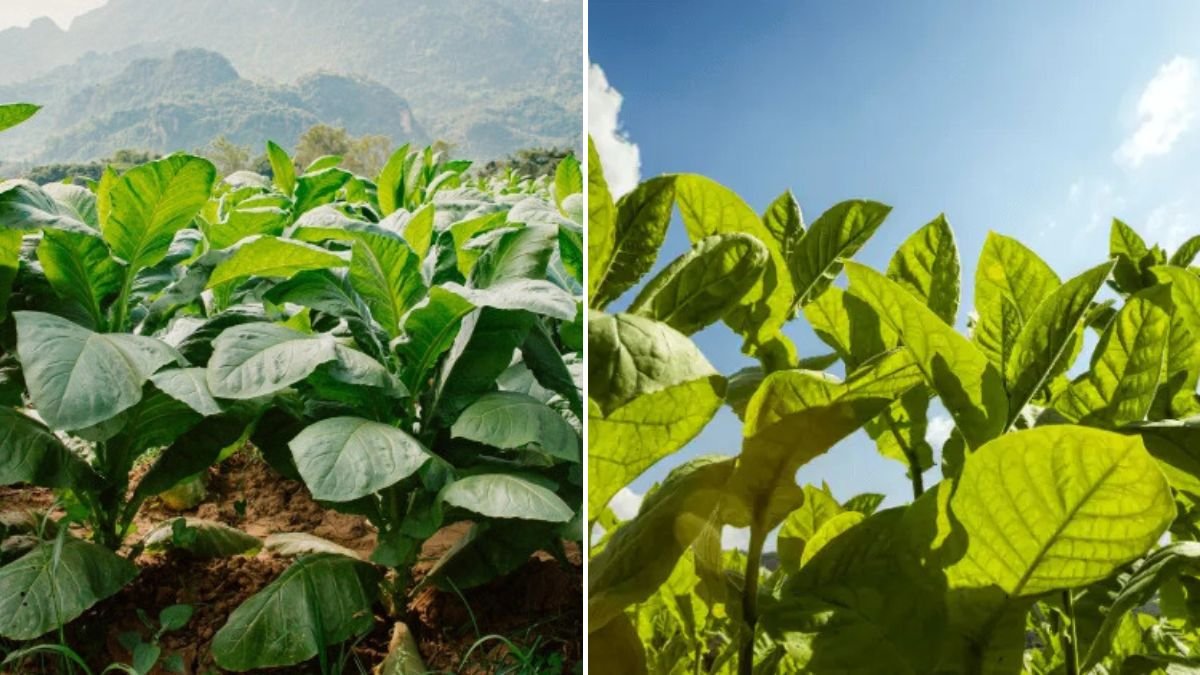

Watching plants grow can be mesmerizing, and few transformations are as dramatic as that of the tobacco plant (Nicotiana tabacum). From tiny seeds to large, flowering plants in just a few weeks, tobacco offers a fascinating glimpse into the power of nature. In fact, a 60-day time-lapse of a tobacco plant shows the entire life cycle—from germination to flowering—in a visually stunning way.
Whether you’re a gardening enthusiast, a student of botany, or simply curious about how plants develop, understanding the tobacco plant’s growth process can teach you valuable lessons about plant biology, care, and observation.
Why Tobacco Plants Are Fascinating to Grow
Tobacco is not just a crop—it’s a botanical marvel. Its large, bright green leaves and tall, upright structure make it an excellent plant for observing growth patterns. Some reasons gardeners and educators are drawn to tobacco include:
- Rapid growth: Under ideal conditions, tobacco plants can flower in as little as 60 days.
- Large leaves: Easy to observe, measure, and study.
- Distinct stages: Clear germination, vegetative growth, and flowering phases.
- Educational value: Great for studying plant development, photosynthesis, and environmental effects.
Stage 1: Germination (Days 1–10)
Tobacco plants start from tiny, almost invisible seeds. Germination usually begins within 7–10 days, depending on temperature and moisture. Seeds are sown on a moist, well-draining soil mix and kept in a warm environment.
Key factors for successful germination:
- Light: Tobacco seeds require light to sprout, so avoid covering them deeply.
- Moisture: Keep the soil consistently damp but not waterlogged.
- Temperature: Ideal range is 70–80°F (21–27°C).
During this stage, tiny green shoots emerge, breaking through the soil and signaling the start of life.
Stage 2: Seedling Growth (Days 10–20)
Once the first true leaves appear, the plant enters the seedling phase. Tobacco seedlings grow quickly, developing a few sets of leaves and a stronger root system.
Tips for healthy seedlings:
- Provide bright, indirect light.
- Maintain even moisture without overwatering.
- Thin seedlings if crowded to avoid competition.
During time-lapse videos, this stage shows rapid upward growth and leaf expansion, highlighting the plant’s incredible speed of development.
Stage 3: Vegetative Growth (Days 20–40)
In this phase, the tobacco plant focuses on producing leaves. The stem elongates, leaves enlarge, and the plant gains height. This is the period when most biomass accumulates.
Vegetative growth essentials:
- Fertilization: Use a balanced, nitrogen-rich fertilizer to encourage healthy leaf growth.
- Space: Ensure plants have enough room to grow without shading each other.
- Watering: Keep soil consistently moist, as water stress can stunt growth.
By day 30–40, tobacco plants have developed large, vibrant leaves that are visually impressive and perfect for observing in time-lapse photography.
Stage 4: Flower Bud Formation (Days 40–50)
Around six weeks in, the plant begins to produce flower buds at the top of the stem. This marks the transition from vegetative to reproductive growth. Flower buds gradually elongate and swell, eventually showing color as they prepare to bloom.
Factors influencing flower development:
- Day length: Tobacco plants are sensitive to light duration; longer daylight encourages flowering.
- Nutrients: Phosphorus and potassium support flower formation.
- Temperature: Warm, stable conditions promote healthy bud development.
Time-lapse sequences during this stage are striking, as buds emerge almost magically on the tall stems.
Stage 5: Flowering (Days 50–60)
By day 60, the tobacco plant reaches full bloom. Flowers typically appear in clusters, ranging from white to pink or pale yellow, depending on the variety. Blooming represents the plant’s reproductive success and is visually stunning in fast-forward videos.
Flowering care tips:
- Continue watering evenly to avoid stress.
- Remove dead or damaged leaves to allow energy to focus on flowers.
- Pollination can occur naturally if insects are present, though in indoor settings, manual pollination may be needed.
During time-lapse recordings, this phase highlights the dramatic transformation from leafy green plant to colorful flowering spectacle, compressing weeks of growth into seconds of visual delight.
Why Time-Lapse Videos Are Educational and Inspiring
Watching a tobacco plant grow from seed to flower in 60 days teaches several important lessons:
- Plant development stages: Germination, vegetative growth, and flowering are easily observed.
- Rapid growth under ideal conditions: Demonstrates how sunlight, water, and nutrients interact.
- Visual understanding of plant morphology: Leaf arrangement, stem elongation, and flower formation are highlighted.
- Appreciation for nature: Compressing two months of growth into minutes makes plant life cycles tangible and engaging.
Time-lapse photography makes the invisible processes of growth visible, inspiring curiosity and encouraging gardeners to observe their own plants more closely.
Practical Applications of Growing Tobacco Plants
While tobacco is grown commercially for its leaves, growing it in small quantities at home or in a classroom can be educational and decorative:
- Botanical studies: Learn about plant biology, photosynthesis, and growth patterns.
- Gardening practice: Helps beginners understand watering, light, and fertilization needs.
- Photography projects: Time-lapse of tobacco plants showcases dramatic growth for creative purposes.
- Observation skills: Encourages careful monitoring of plants and problem-solving when issues arise.
Tips for Growing Healthy Tobacco Plants Indoors or in a Garden
- Choose the right container: Large pots with drainage holes prevent waterlogging.
- Use quality soil: Well-draining, fertile soil encourages rapid growth.
- Monitor light: Bright, indirect light or full sun ensures healthy leaves.
- Water consistently: Avoid drought stress but prevent soggy soil.
- Fertilize appropriately: Nitrogen-rich fertilizers promote leaf growth; phosphorus and potassium support flowering.
- Watch for pests: Common pests include aphids and caterpillars; inspect leaves regularly.
By following these tips, you can enjoy a thriving tobacco plant and observe its impressive 60-day growth cycle.
Conclusion
The tobacco plant’s journey from seed to flower in just 60 days is a striking example of nature’s power and efficiency. Time-lapse videos condense weeks of growth into a few captivating minutes, revealing each stage in detail—from tiny germinating seedlings to lush leaves and colorful blooms.
Whether for education, gardening practice, or simple fascination, growing tobacco offers valuable lessons in plant care, patience, and observation. Its rapid growth, large leaves, and stunning flowers make it an ideal subject for anyone interested in exploring the hidden world of plant development.
Watching a tobacco plant grow isn’t just about the end result—it’s about appreciating every stage of life along the way, understanding the factors that influence growth, and marveling at the beauty and complexity of nature in motion.